Parallels
A parallel links sites distant in space and time through a shared rare trait — the same measurable signature. These parallels are grouped into themes: a phenomenon that runs through the atlas, across a continent or a millennium.
A theme asks a question, it never asserts a cause. It says "these cases share this rare trait — puzzling, worth digging into", never "so the same builders".
→ How we calculate this, and its known limitsThe atlas's themes
Each theme gathers the cases where the same rare trait reappears — with no known link between them. We sort them, we ask the question. We draw no conclusion.
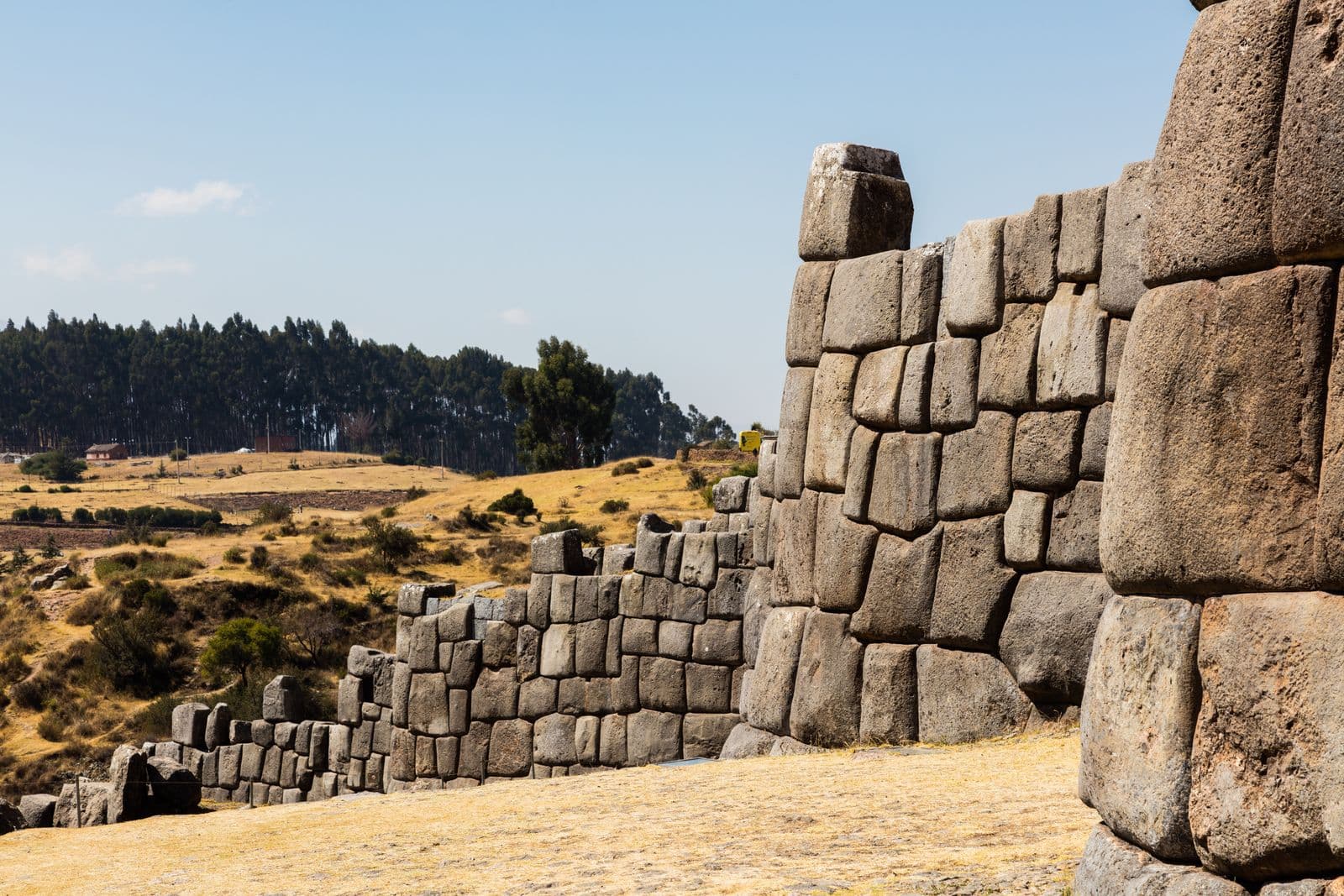 Theme · 6 sites
The cyclopean
Mega-blocks fitted without mortar, in tight joints — across a continent and a millennium.
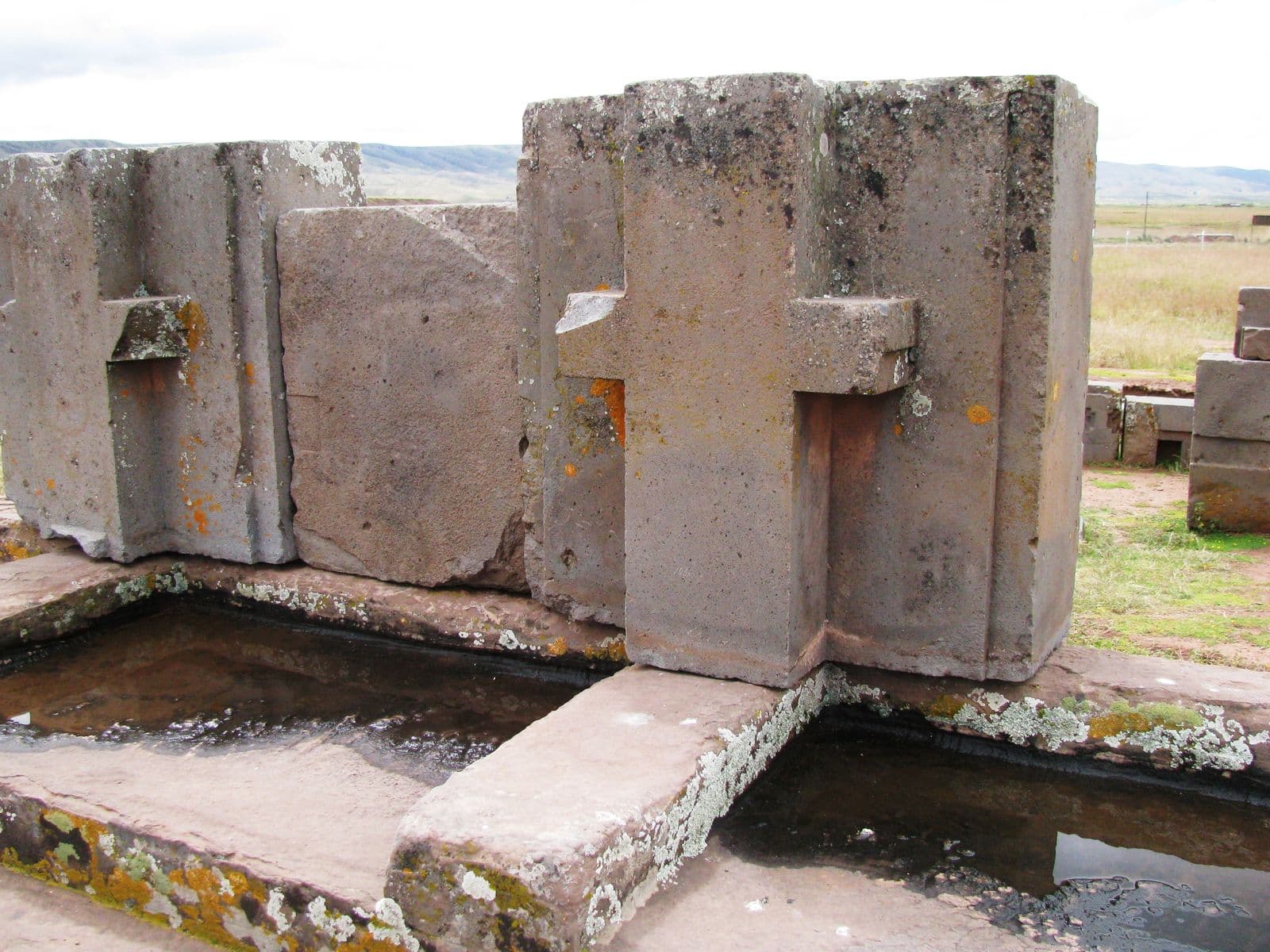 Theme · 5 sites
The impossible precision
Surfaces and joints to a tenth of a millimetre — a precision we couldn't always reproduce today.
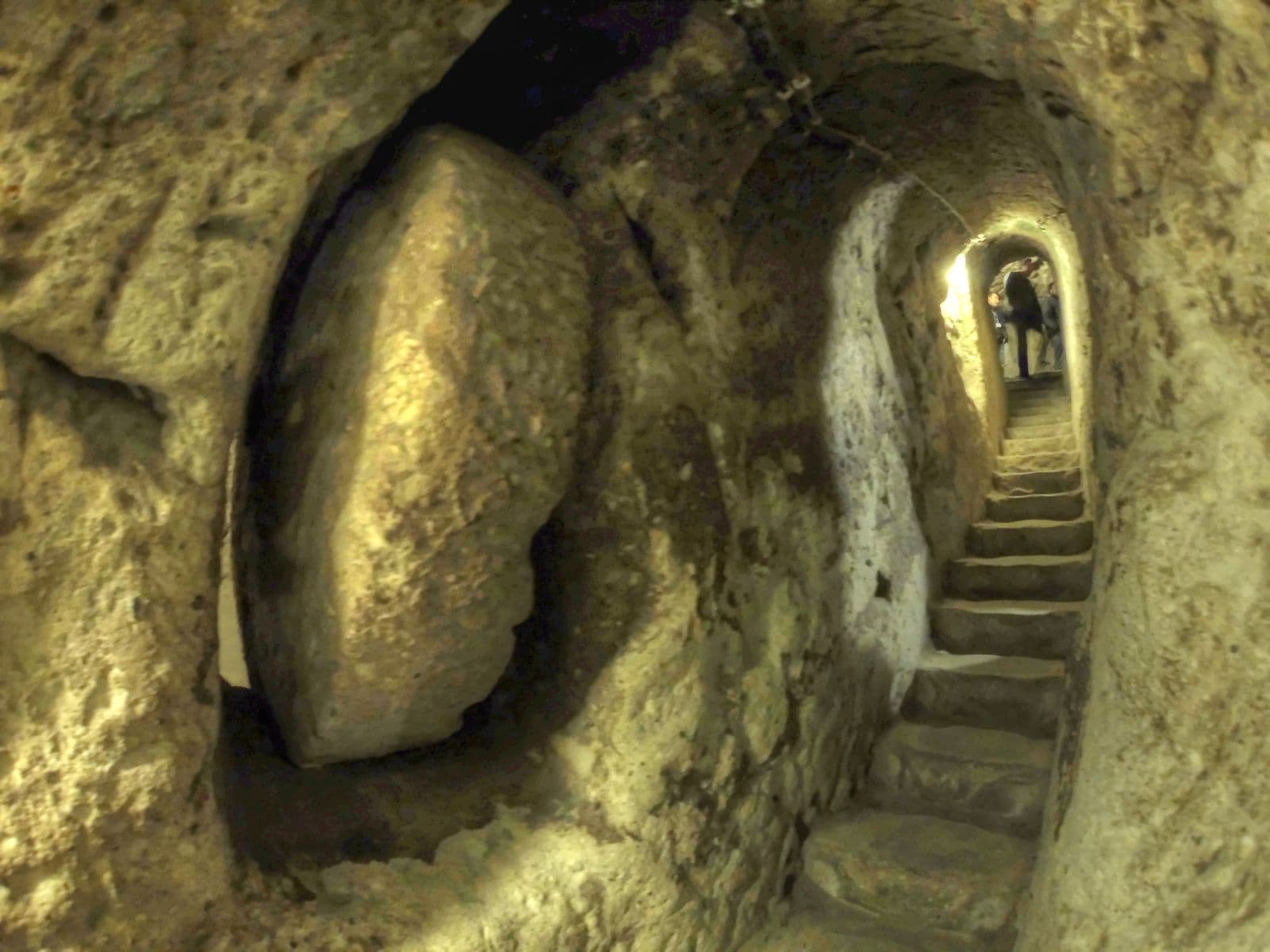 Theme · 6 sites
The underground world
Cities, galleries and chambers cut straight into the rock, across several continents.
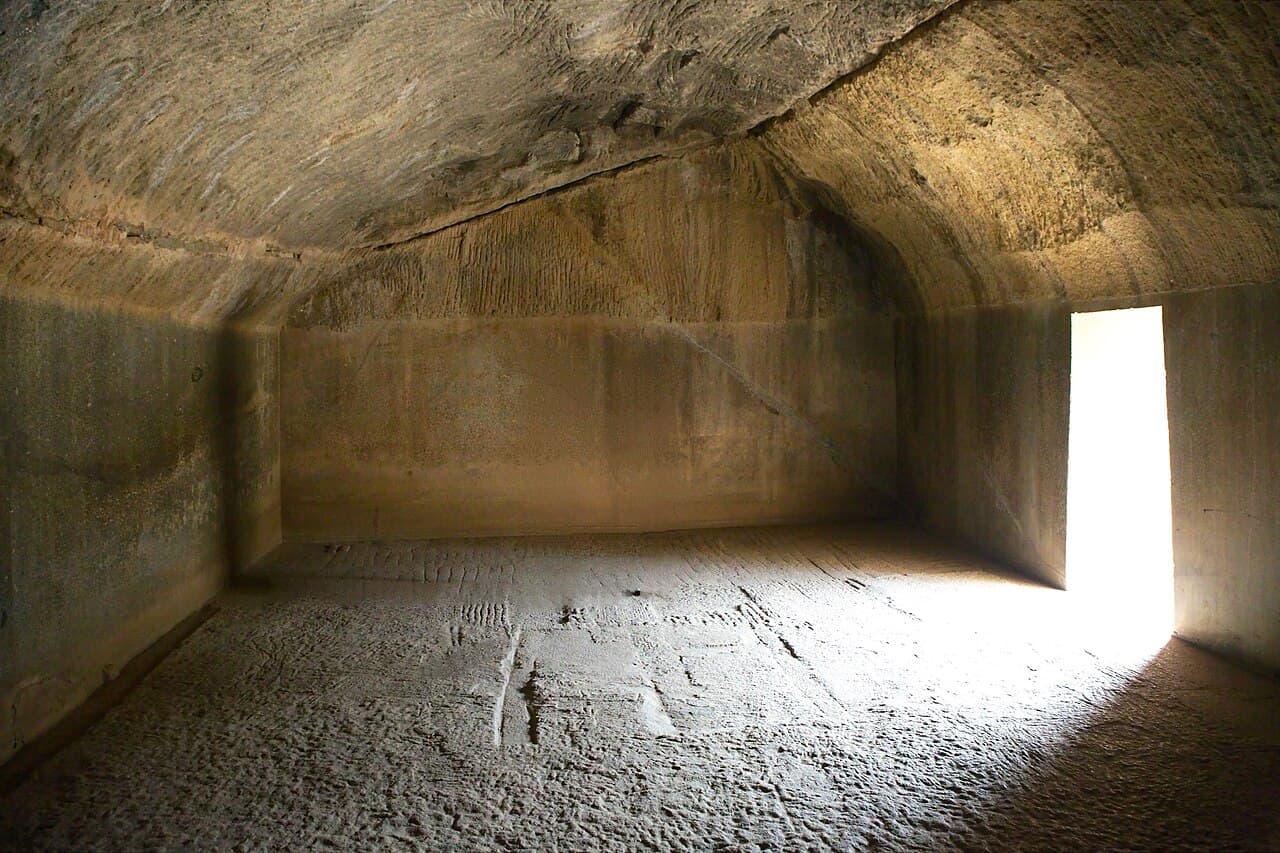 Theme · 3 sites
Sound & resonance
Carved chambers that resonate, measured frequencies — acoustics as a possible intent.
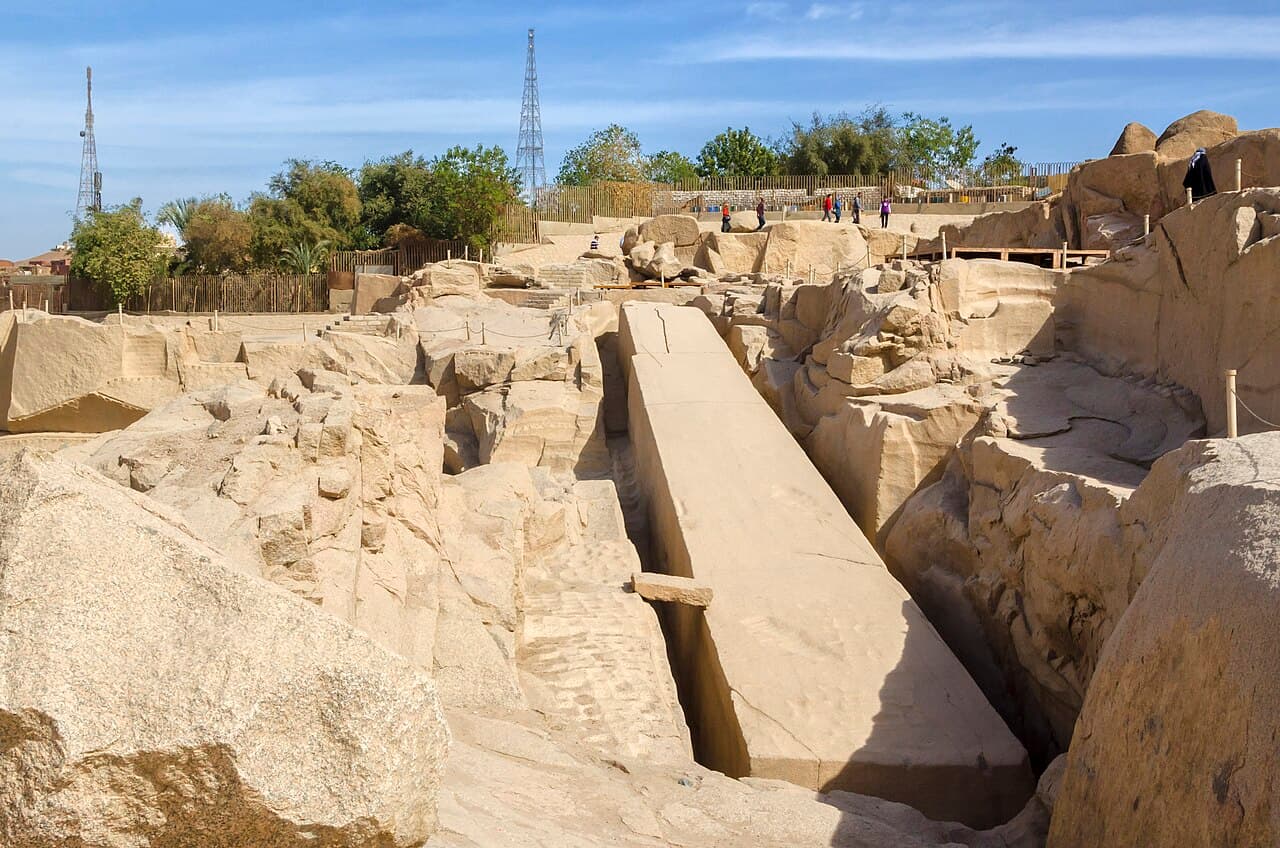 Theme · 4 sites
The giant monoliths
Single blocks, carved and sometimes erected, whose transport still defies our models.
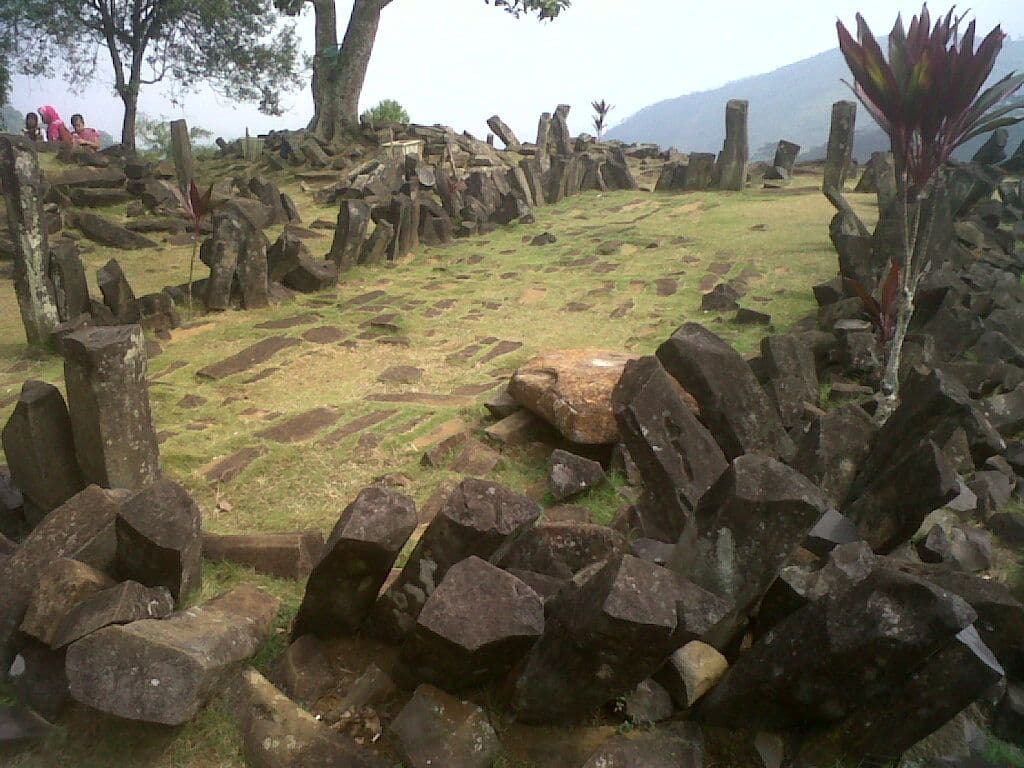 Theme · 4 sites
The great mounds
Colossal artificial hills — earthen pyramids long mistaken for natural relief.
The method, never concluding
Under the themes, an objective engine: we cross a matrix of measurable attributes, weighted by rarity. The tool finds the parallels; the human sorts them. Four principles hold the discipline.
1 · Rare attribute
A value shared by 2 sites out of 46 carries weight; "made of stone" carries none. Rarity does the sorting.
2 · Sourced on both sides
A trait only counts if it is documented for both. No source, no parallel.
3 · We draw no conclusion
A parallel opens an inquiry. No "lost civilisation" is assumed to connect the dots.
4 · Same civilisation = expected
Two sites from the same people necessarily share their techniques. The signal is the parallel between civilisations with no known link.
We don't compare pictures, we cross attributes
Each site is described by measurable attributes — using heritage-standard vocabulary (CIDOC-CRM, PACTOLS thesaurus) — spread across five families. Two sites sharing a rare combination of attributes form a technical cluster: the sign of the same physical problem solved under the same constraints. A question, not a proof.
Fabrication
Tool marks, joint tolerance, polygonal complexity, material, tonnage.
Structural & frequency
Resonance (f₀), seismic damping, quartz piezoelectricity.
Geophysical
Active faults, gravimetric/magnetic anomalies, palaeo sea level.
Temporal & astronomical
Precession-corrected alignments, cardinal orientation, erosion.
Information & transmission
Ancient DNA, botanical diffusions, recurring motifs of the founding narrative.
Current scope: only families 1 and 4 are populated — the others require measurements (Hz, µm, DNA…) that don't publicly exist. We don't invent them.
Parallels between civilisations
The real signal: the same rare technical trait, solved by two cultures with nothing connecting them in space or time. This is what the engine surfaces on its own — proof that the themes above aren't wishful thinking. We observe it, we draw no cause from it.
Tiwanaku and Pumapunku, or the Inca sites of Cusco, share their attributes because they have the same author — the engine never confuses them with the signal above. Proof that the distinction holds:
same civilisation · Néolithique-Irlande
same civilisation · Néolithique-Anatolie
same civilisation · Néolithique-Bretagne-GB
Current scope: 46 sites populated with documented attributes; fine source-by-source linking is the next step.
Temporal parallels
Chambers that resonated yesterday, waves that heal today. A correlation of ideas — no evidence of ancient therapeutic use.
HIFU clinical trials · in situ resonance measurements
Polygonal joints dissipate seismic energy. The principle is tested on shake tables and inspires contemporary research.
Interlocking masonry trials · civil engineering reviews
Cosmic muons revealed two unknown voids in Khufu's pyramid. Fundamental physics becomes an archaeology tool.
ScanPyramids · Nature (2017) · Nature Comm. (2023)
Modeling the sky with gears: the Antikythera gesture resurfaces in the analog machines of the 20th century.
Freeth et al., Nature (2006) · history of computation
2,000 years without reinforcement. In 2023, MIT showed that lime clasts reseal cracks — the ancient recipe becomes a research focus again.
Seymour et al., Science Advances (2023)