Barabar Caves
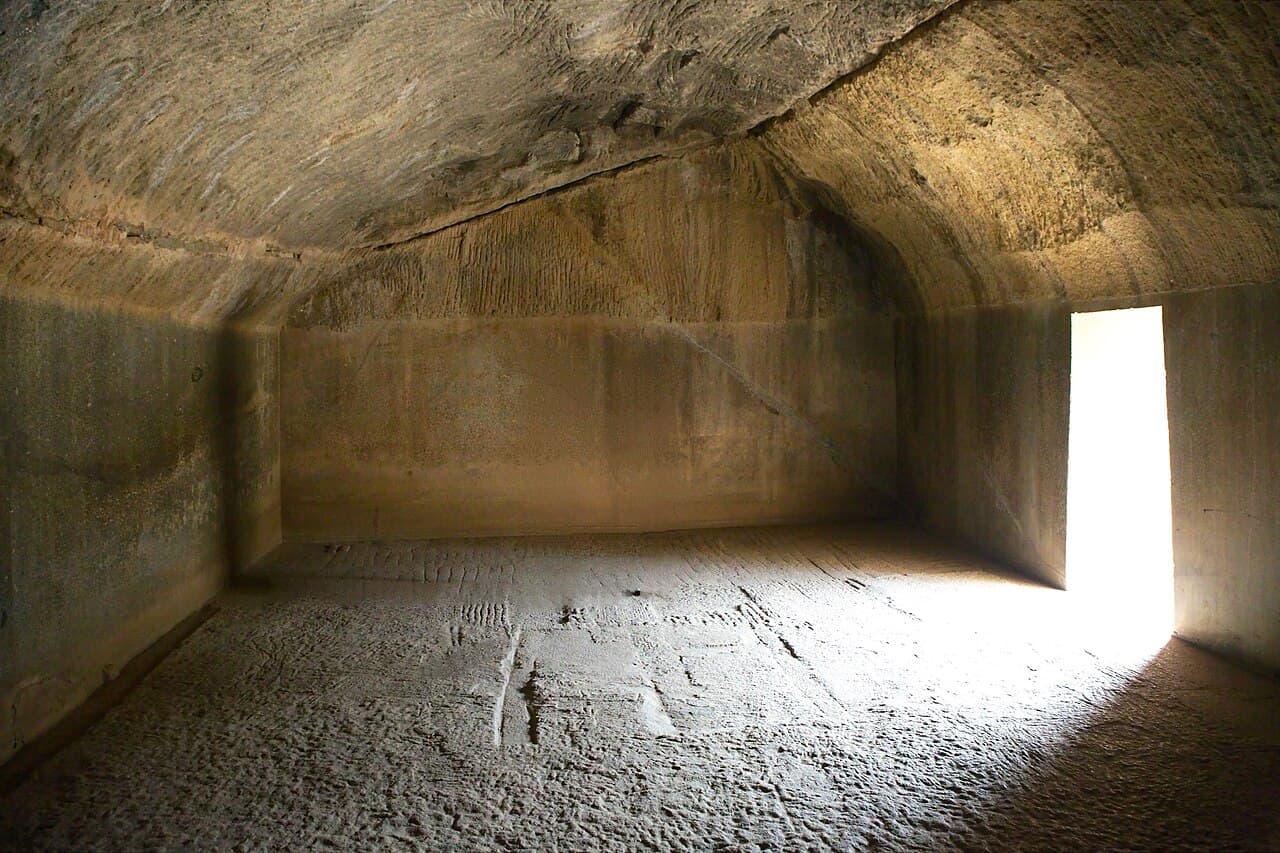
Chambers carved into granite, polished like a mirror, whose walls throw back a prolonged echo at low frequencies. What were they for?
- Location
- India · Asia & Pacific
- Civilisation
- Maurya Empire (Ashoka)
- Period
- ~−250
- Technique
- Excavated granite, full mirror polish
- Studies
- ~25 publications
no explanation commands consensus to date. A revisable snapshot of the state of research, never a judgement.
→ Show on the mapThe elements of the site
Where the site is
25.010° N, 85.060° E · satellite view
What science says
Ashoka's dedicatory inscriptions to the Ājīvika ascetics in Brahmi allow precise dating: first donations in year 12 of his reign (~258 BC, Sudama and Visvakarma caves), last in year 19 (~251 BC, Karan Chaupar cave). Lomas Rishi has no Ashoka inscription.
The polish is theoretically obtainable with progressively finer abrasives — but no modern reproduction has achieved this finish on granite. The technique disappears after the Maurya period: absent at Ajanta, Ellora, Karla.
In situ observations document marked resonance and a prolonged echo (~5-6 seconds of decay) in the chambers — a formal, peer-reviewed measurement of the exact frequencies is still lacking. The figures in circulation (~34 Hz Chevalier/BAM, ~74 Hz AGP) come from non-peer-reviewed sources and diverge from one another.
Maurya polishing probably derives from Achaemenid techniques: Perso-Greek craftsmen dispersed after Alexander's conquest (~330 BC) are thought to have transmitted this know-how to the Maurya Empire. The comparison with the polish on the Achaemenid pillars of Persepolis and Naqsh-e Rostam is documented in the academic literature.
The Nagarjuni caves (1.6 km east of Barabar) bear the inscriptions of Dasaratha Maurya (~232–224 BC), Ashoka's grandson, who continued the donations to the Ājīvika ascetics after Ashoka's death.
In February 2025, the Barabar and Nagarjuni caves were included on the UNESCO Tentative List as part of the serial nomination 'Sites of Ashoka's Edicts along the Mauryan Routes' (ref. 6803, 34 components).
What remains unexplained
Echoes across time
Chambers that resonated yesterday, waves that heal today. A correlation of ideas — no evidence of ancient therapeutic use.
HIFU clinical trials · in situ resonance measurements
Related to
Videos
Studies & sources
Show 9 more sourcesCollapse sources
Keep exploring
 Debated
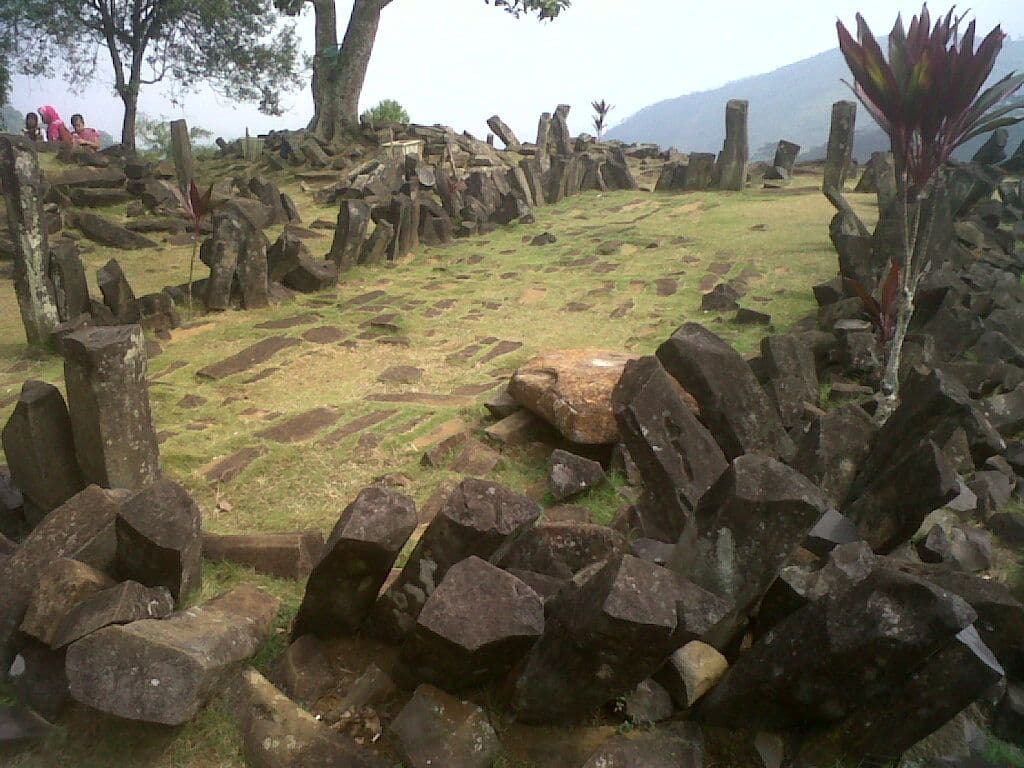
Gunung Padang
A "pyramid" beneath the hill? Layers dated as far back as −27,000 years… then the study was retracted in March 2024.
 Debated
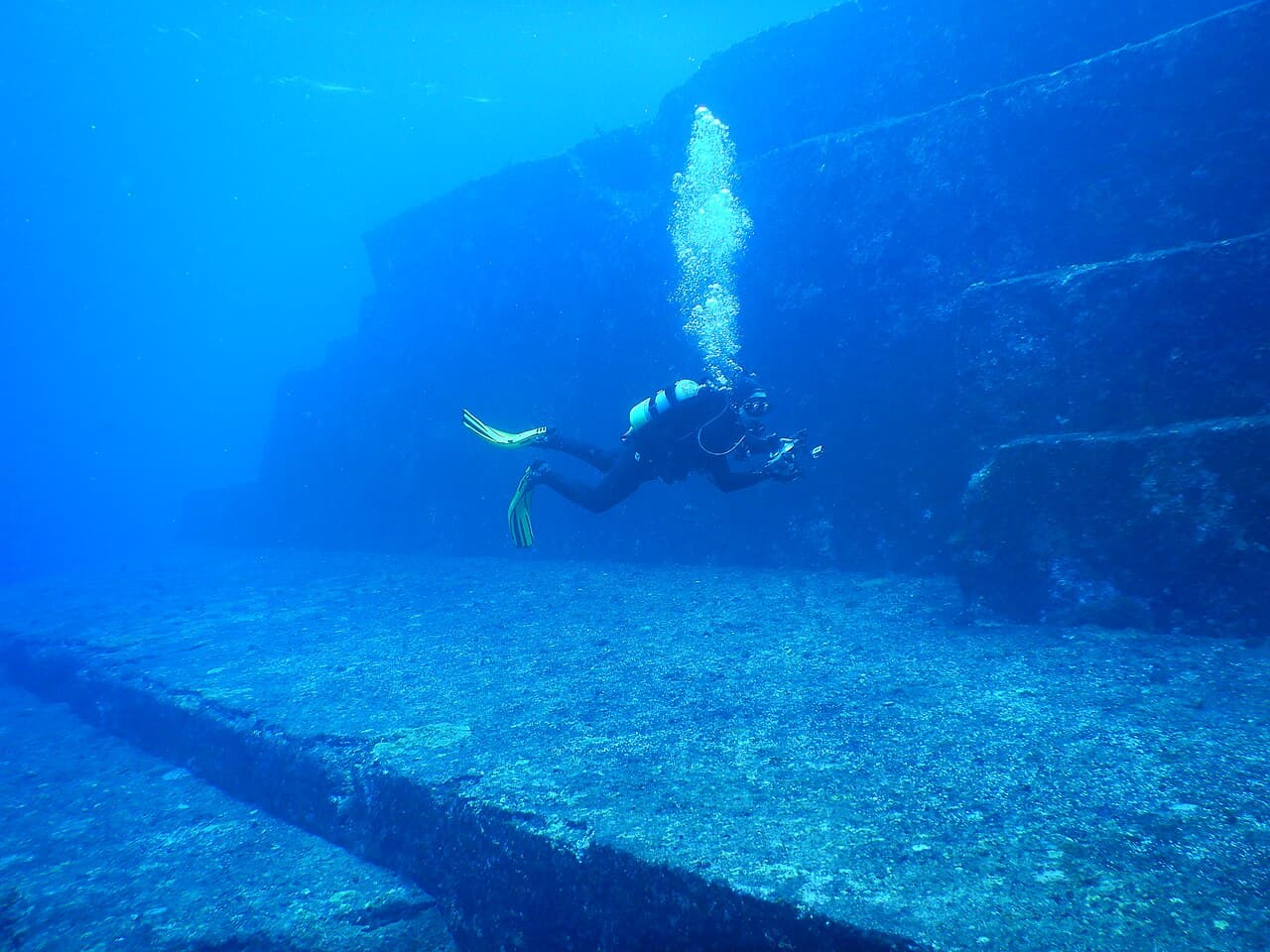
Yonaguni Monument
Terraces, right angles, "staircases" 25 meters deep. The geological consensus sees naturally fractured sandstone — an academic minority argues for a sunken city.
 Debated
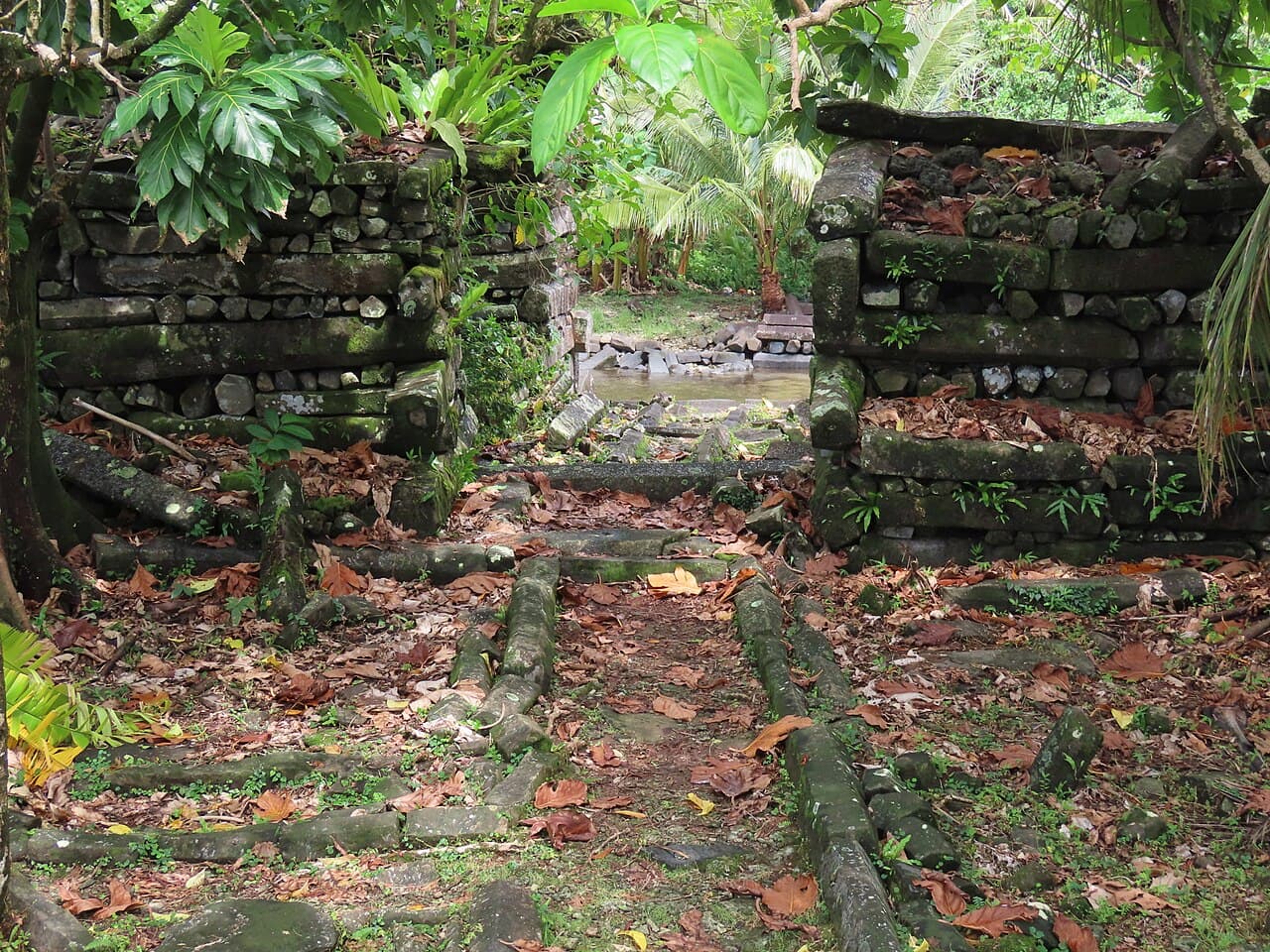
Nan Madol
A basalt Venice set on a Pacific lagoon: 92 to 93 artificial islets, columns weighing 5 to 50 tonnes.