The ancient builders left the stones. Not the instructions.
132 sites and artefacts, each with two readings: what science establishes, what remains unanswered. The globe colours them by state of knowledge, not by date: dates live on each entry, as ranges, with their sources.
drag to rotate · click a dot
Amateurs in the true sense: curiosity, not a degree. We read, we cite, we show the doubt.
An attempt at understanding, careful and unapologetic, held to a public, checkable charter of proof, entry by entry.
- 01We are not the source of archaeological knowledge: we gather the open literature and cite it, line by line, with its register — consensus, peer-review, primary source, alternative reading.
- 02A date is a range. A civilisation’s name is an attribution, often one layer among others. We display them as such.
- 03“No accepted answer” does not mean “inexplicable”. It means no explanation commands consensus today.
- 04A consensus is the state of knowledge, not its end. Science corrects itself: that is its method, not its weakness. We follow it without sanctifying it — and we take what it still leaves open seriously.
- 05When a new source is flagged to us or we come across one, the entry is revisited. The revision stays visible, dated, with its source.
- 06Our stone in the wall: gathering what is scattered, comparing it, making it readable. Not ruling.
- 07We dare hypotheses. They are signed, labelled “unproven”, and never mixed with what science establishes.
- 08AI is our instrument: it reads more than we do, cross-checks entries, spots parallels. It measures a resemblance, never a common origin.
- 09You can correct us: a missing source, an error, a lead. The “Contribute” form is there for that.
Some sites have been studied for a century. Others, excavated since 2019.
For every entry the atlas counts what is established and what remains open. Here are 11 flagship entries, ranked by share of open questions. Hover a row.
Blocks of 100+ tons, joints fitted to the millimeter, without mortar or iron. How?
- Göbekli Tepe
- Karahan Tepe
- Serapeum of Saqqara
- Sayhuite Stone (Saywite)
- Sacsayhuamán
- Crystal skulls
- Stonehenge
- Baalbek
- Ica stones
- Pumapunku
- Piltdown Man
Where to start
Explore all · 132 entries →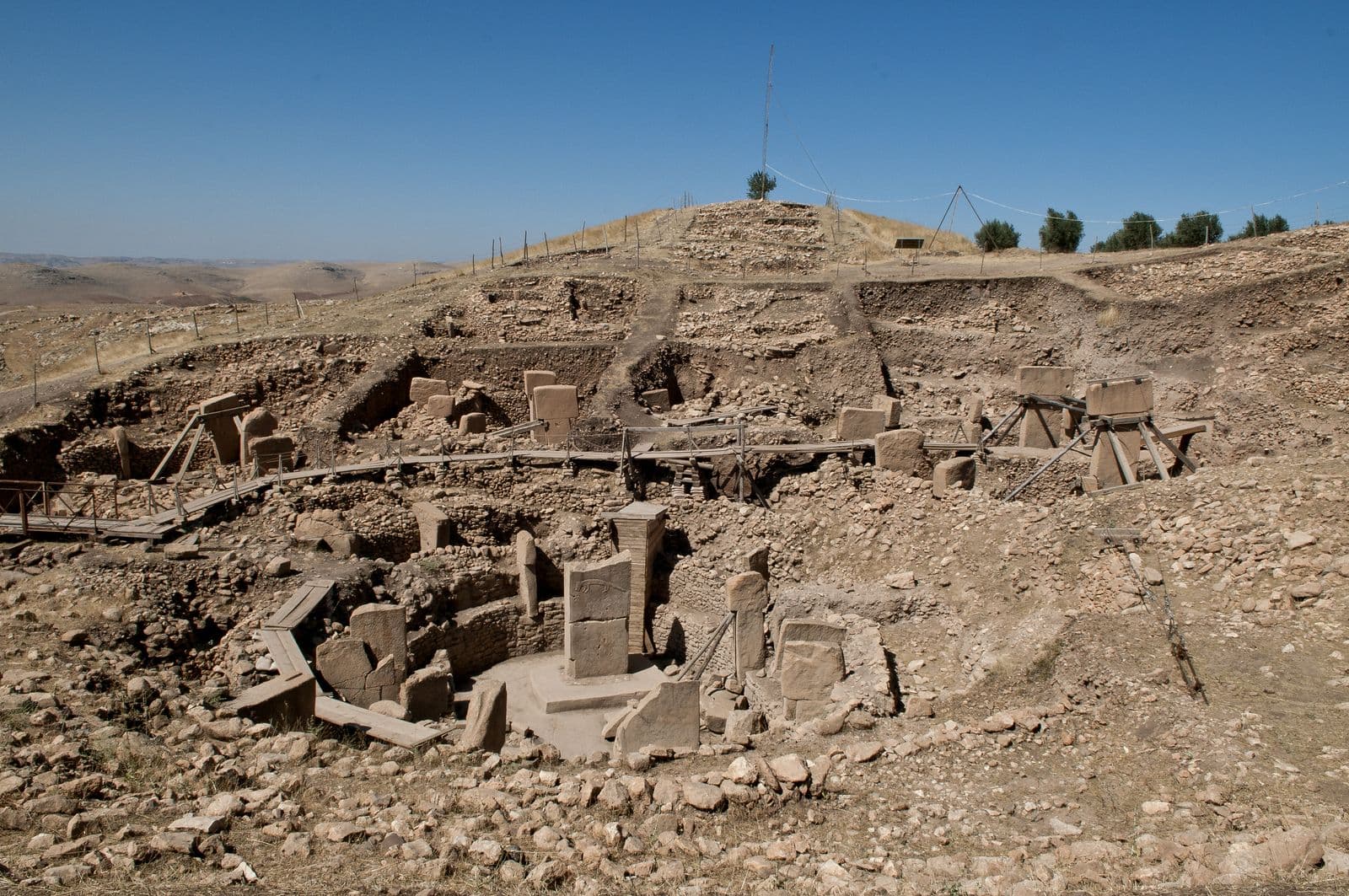 No accepted answer
Göbekli Tepe
A monumental complex built by hunter-gatherers, 6,000 years before the pyramids. Then buried — deliberately or by time, the debate is open.
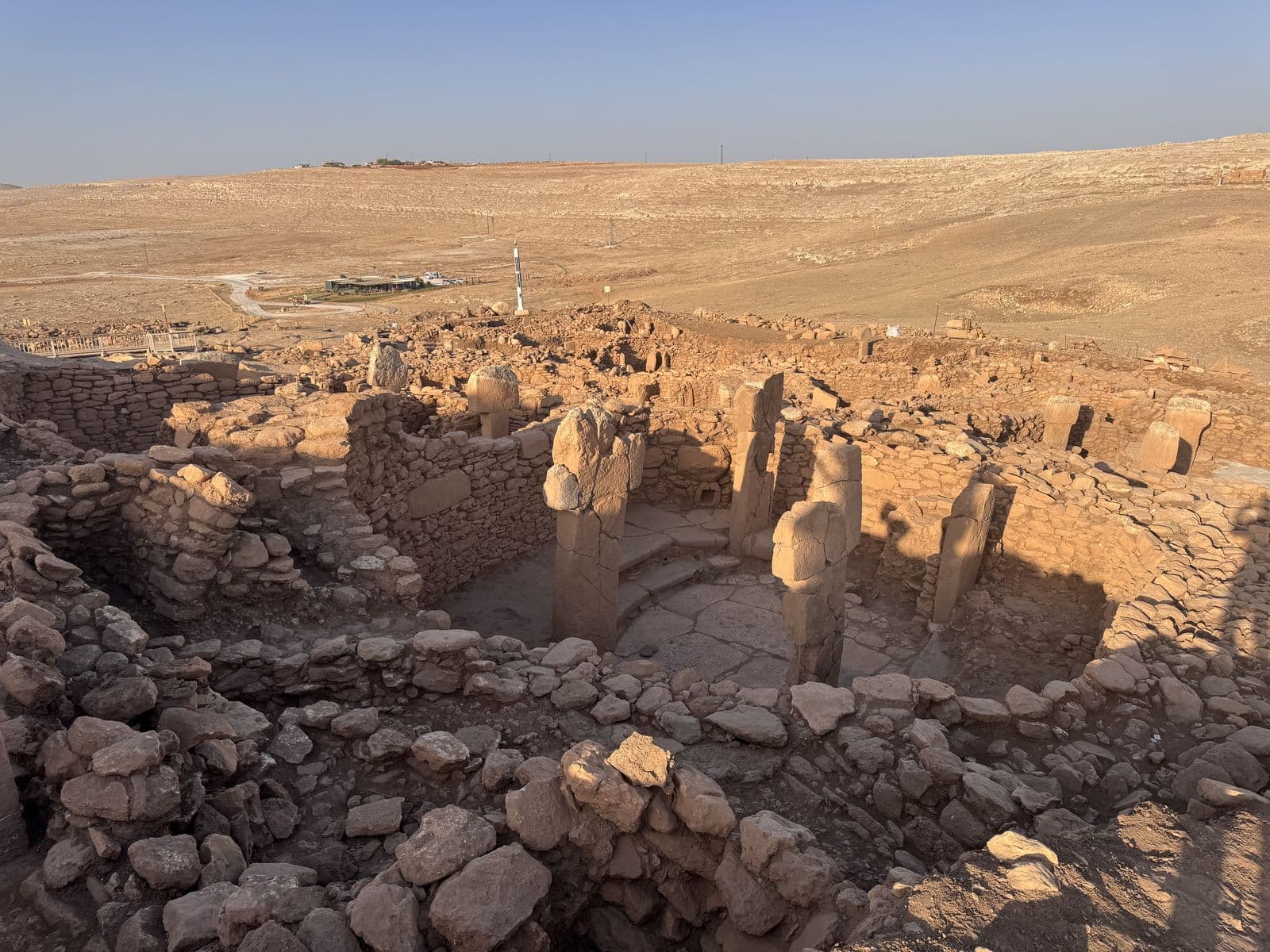 No accepted answer
Karahan Tepe
The "brother" of Göbekli Tepe, perhaps even older. Only seriously excavated since 2019.
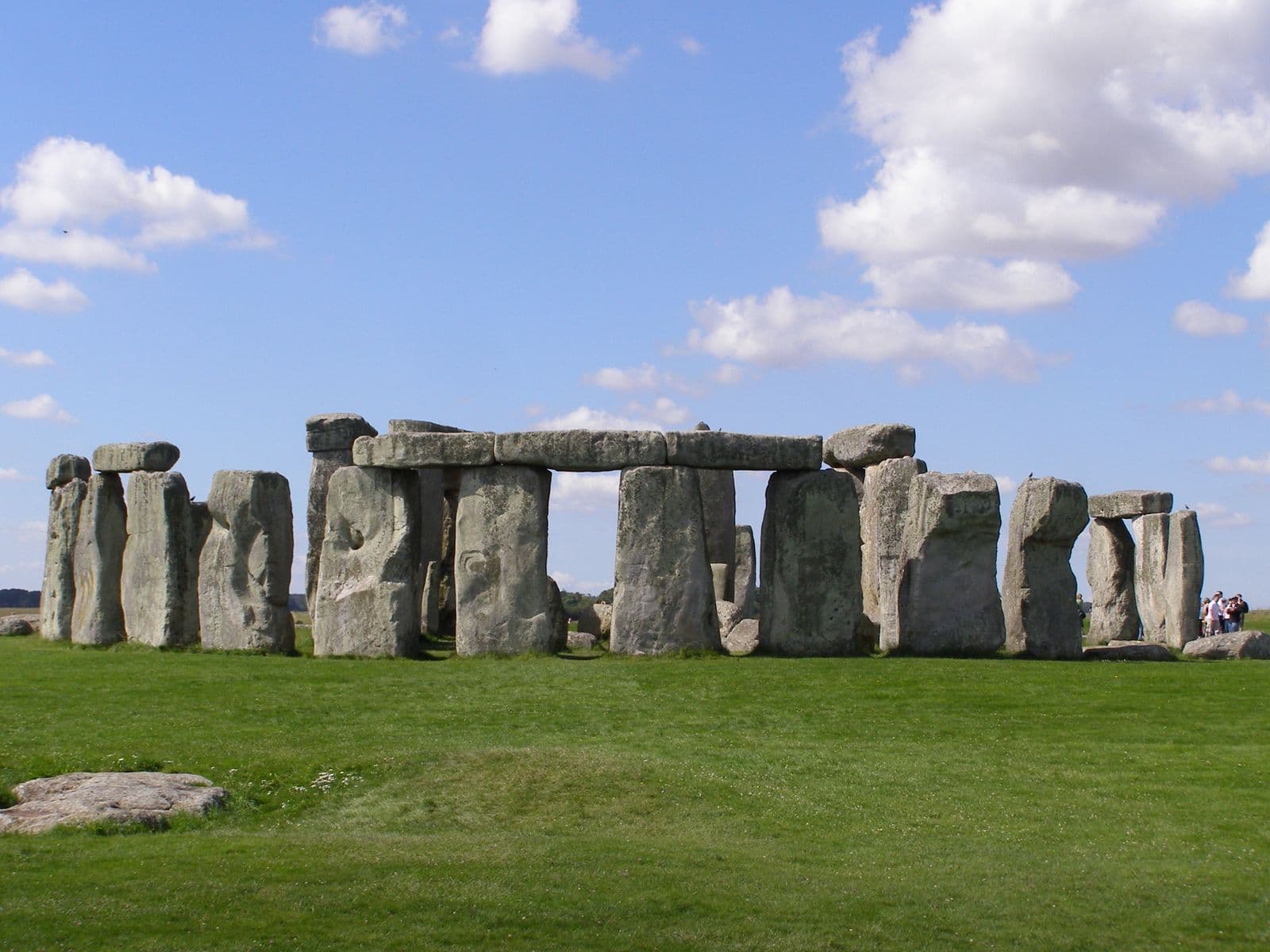 Debated
Stonehenge
The bluestones traveled 250 km from Wales. And the altar stone, from Scotland. Why those particular stones?
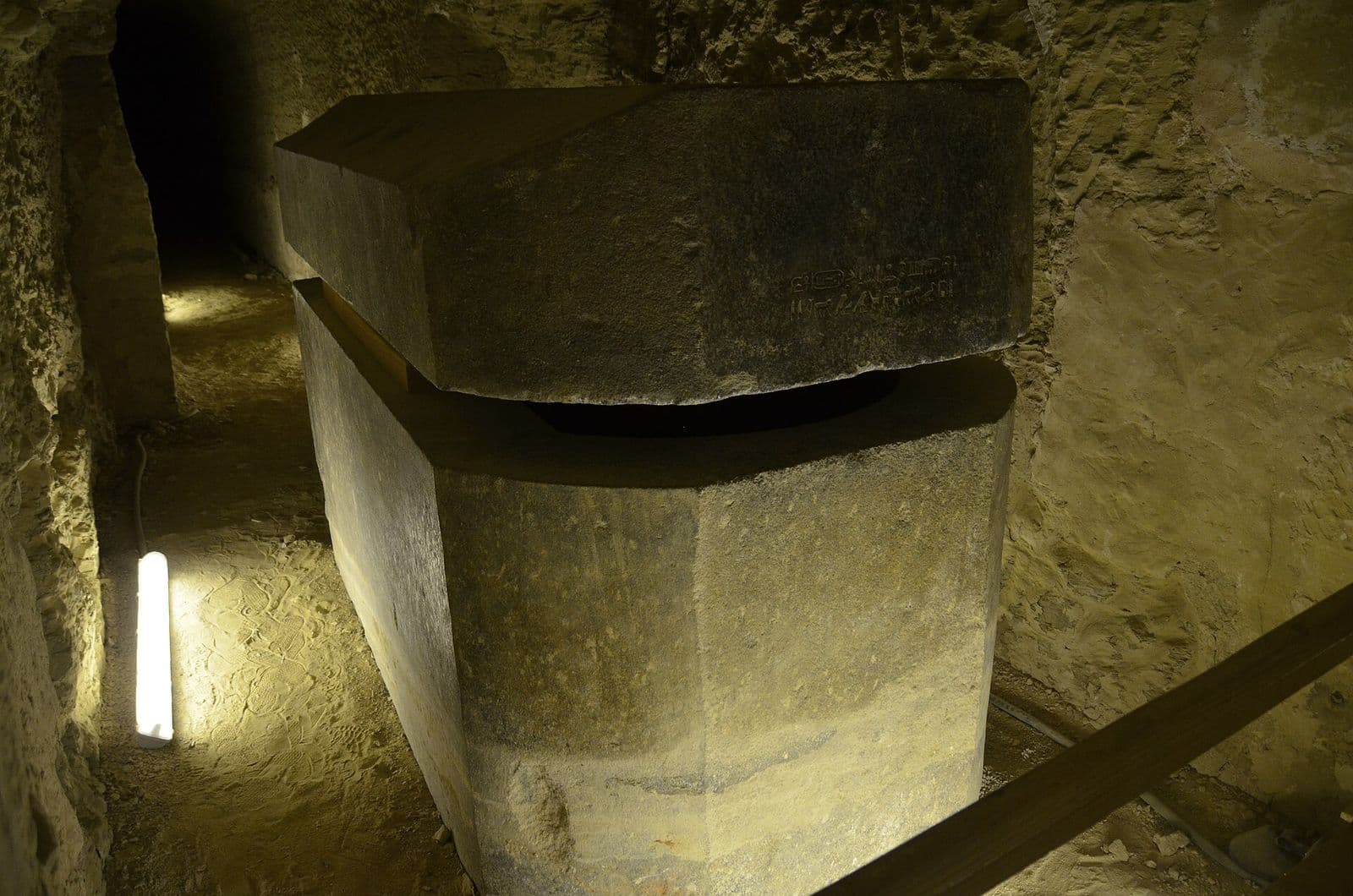 Debated
Serapeum of Saqqara
Twenty-four black granite sarcophagi, 60 to 80 tons, lowered into underground galleries carved out for the sacred Apis bulls.
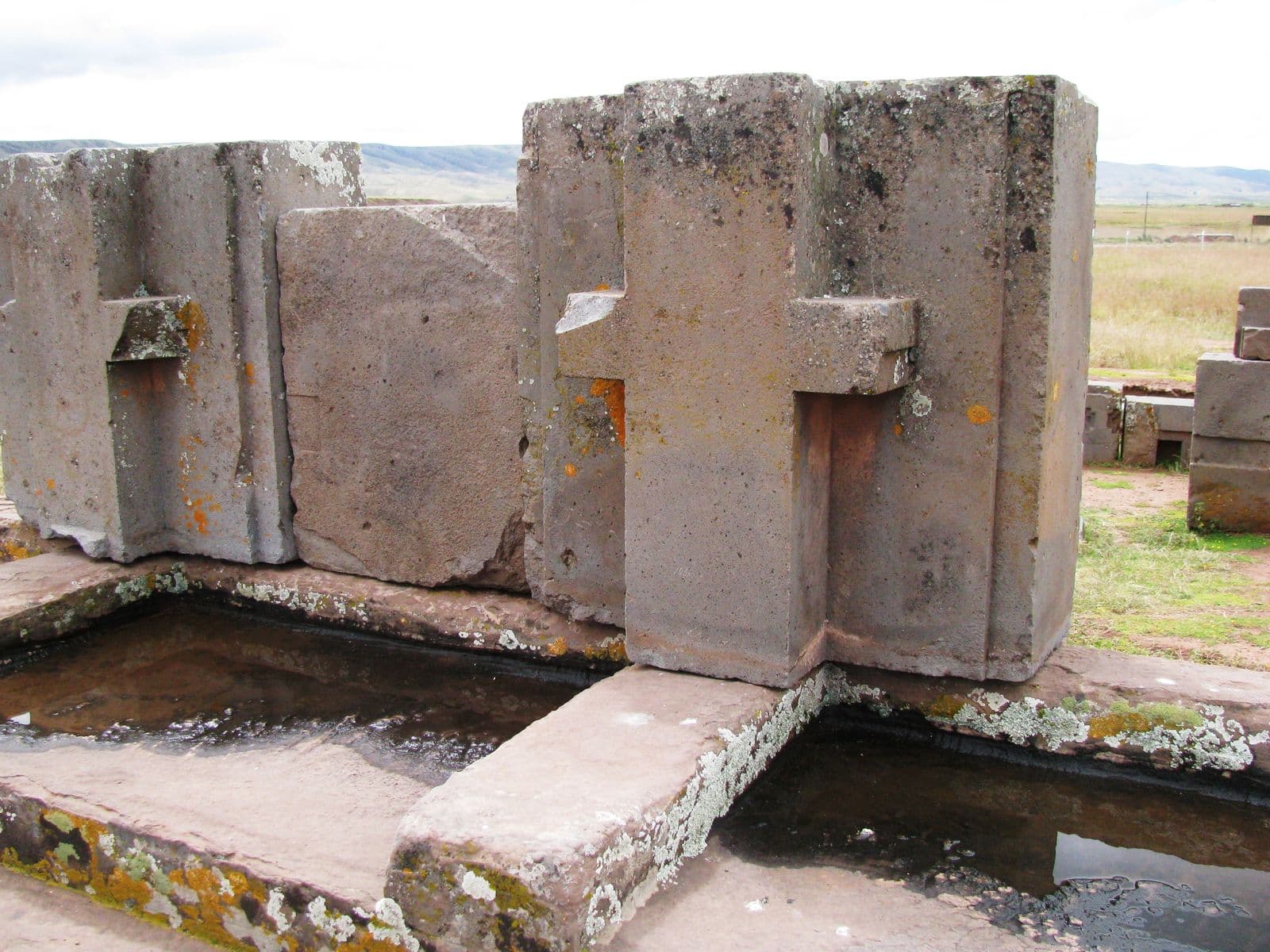 No accepted answer
Pumapunku
Andesite H-blocks cut and standardized with remarkable precision — without iron tools, using hard-stone pounders and abrasives. The method is documented, the scale remains astonishing.
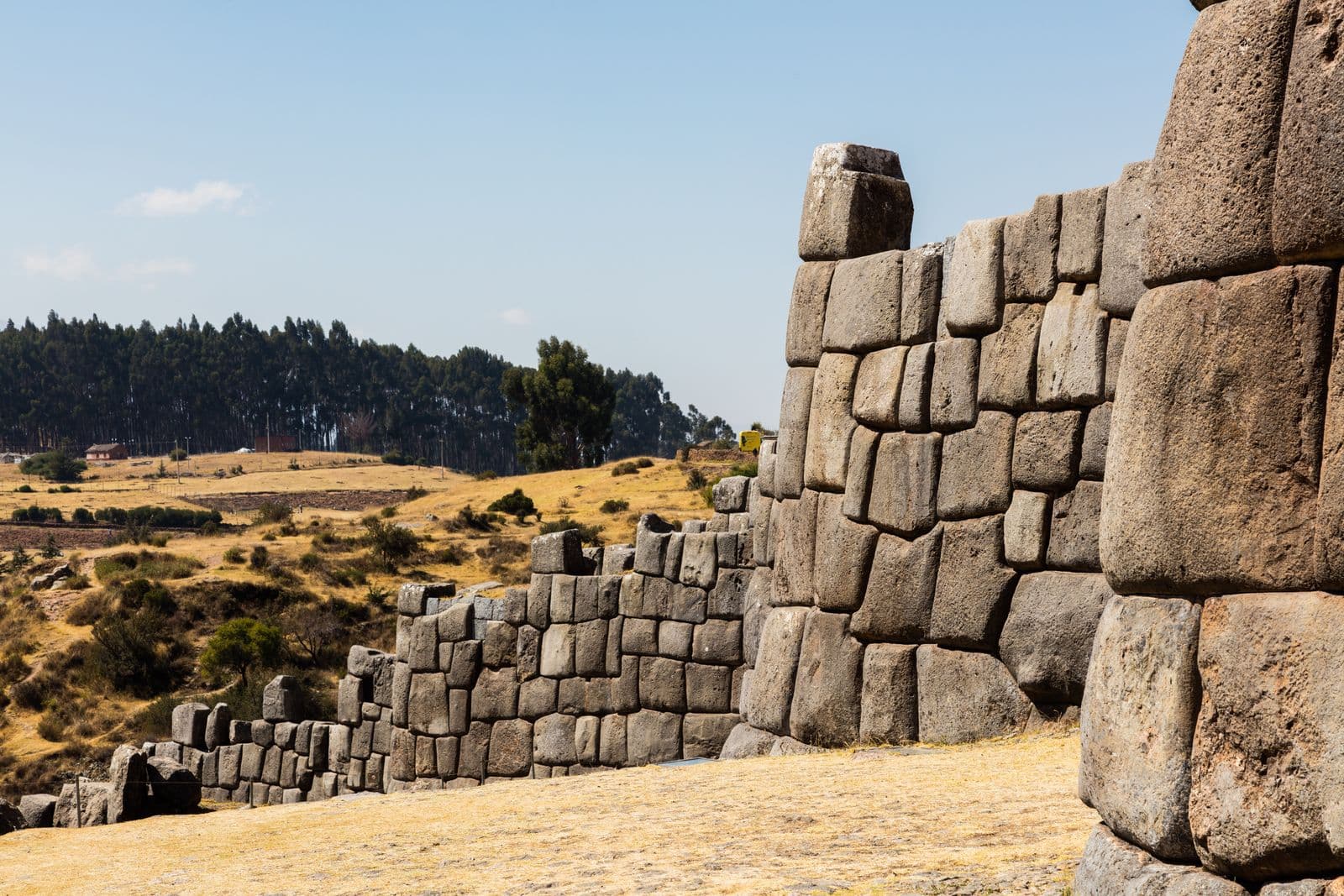 No accepted answer
Sacsayhuamán
Blocks of 100+ tons, joints fitted to the millimeter, without mortar or iron. How?
One site, often several builders. And names given to them after the fact.
“Inca”, “Roman”, “hunter-gatherers”: these are attributions, not signatures. On many sites, layers overlap, one occupation reuses another, and the oldest sometimes has no name. The atlas shows the known layers and leaves blank those we do not know.
- established attribution
- debated attribution
- assumed layer, unnamed
- Inca · Pachacuti and successors · 1438 → 1533, textsestablished · chronicles, quarries
- Killke · pre-Inca occupationdebated · one dig, press report
- Older?no data
Killke remains were reported beneath the Inca fortress; a single dig, with no peer-reviewed paper found. Older: no published data.
- Neolithic farmers · enclosure, bluestones, sarsens · −3000 → −2500, C14established · C14, published phasing
- Bell Beaker · reworking, not the build · −2450 → −1500, C14debated · ancient DNA; role unsettled
The Beaker population arrives after most of the sarsens (Olalde et al. 2018): those who finished the monument are not those who began it.
- Imperial Rome · Temple of Jupiter, trilithon · 1 → 100, textsestablished · DAI excavations
- Podium · Herodian phase?debated · one stylistic study
The trilithon is Roman by consensus; only the podium's first phase is discussed, on a stylistic argument (Kropp and Lohmann 2011).
- Pre-Pottery Neolithic hunter-gatherers · −9600 → −8000, C14established · C14, DAI excavations
- Which people? Language, name, organisationno data
“Civilisation” is a shortcut here: we know a material culture, not a people.