
Avebury Circle
With its 11.5 hectares (28.5 acres) enclosed by a ditch 9 m deep and an outer circle 338 m in diameter, Avebury is Europe's largest megalithic henge monument. Built in phases between ~2850 and ~2200 BC, it holds around a hundred sarsens, exact count still debated, — many toppled or buried in the Middle Ages — two inner circles and a 2.4 km avenue.
- Location
- United Kingdom · Europe
- Civilisation
- British Neolithic
- Period
- ~−2850 to −2200
- Technique
- Largest cromlech in Europe (338 m), outer circle of 98–105 local sarsens weighing several dozen tonnes, chalk bank and ditch
- Studies
the state of research converges — open to revision. A revisable snapshot of the state of research, never a judgement.
→ Show on the mapThe elements of the site
Where the site is
51.428° N, 1.854° W · satellite view
What science says
Radiocarbon dating places the ditch and bank between ~2900 and 2600 cal BC; the stone circles between ~2870 and 2200 BC. Gillings, Pollard & Strutt (Antiquity, 2019) argue for incremental development, from an early Neolithic house (~3500 BC) through to the early Bronze Age.
Harold St George Gray (excavations 1908–1922) uncovered deer antlers in an 11 m-deep ditch cut into the chalk, confirming the Neolithic attribution. Alexander Keiller (1934–1939) re-erected the fallen stones and discovered, beneath the 'Barber Stone', the skeleton of a man buried during a stone-burying campaign dated to around 1320–1325 AD.
The sarsens come from the Marlborough Downs, a few kilometres away — a distance far shorter than the ~30 km for Stonehenge. Geochemical analysis of the Stonehenge sarsens (Nash et al., Science Advances, 2020) confirmed West Woods as the main source, a likely source shared by both monuments.
In 2017, a resistivity and ground-penetrating radar survey (Gillings, Pollard & Strutt) detected a square structure ~30 m per side made of buried megaliths at the heart of the south circle, as well as an early Neolithic house — the first identified in Wessex (Antiquity, 2019).
What remains unexplained
Related to
Studies & sources
Show 3 more sourcesCollapse sources
Keep exploring
 Debated
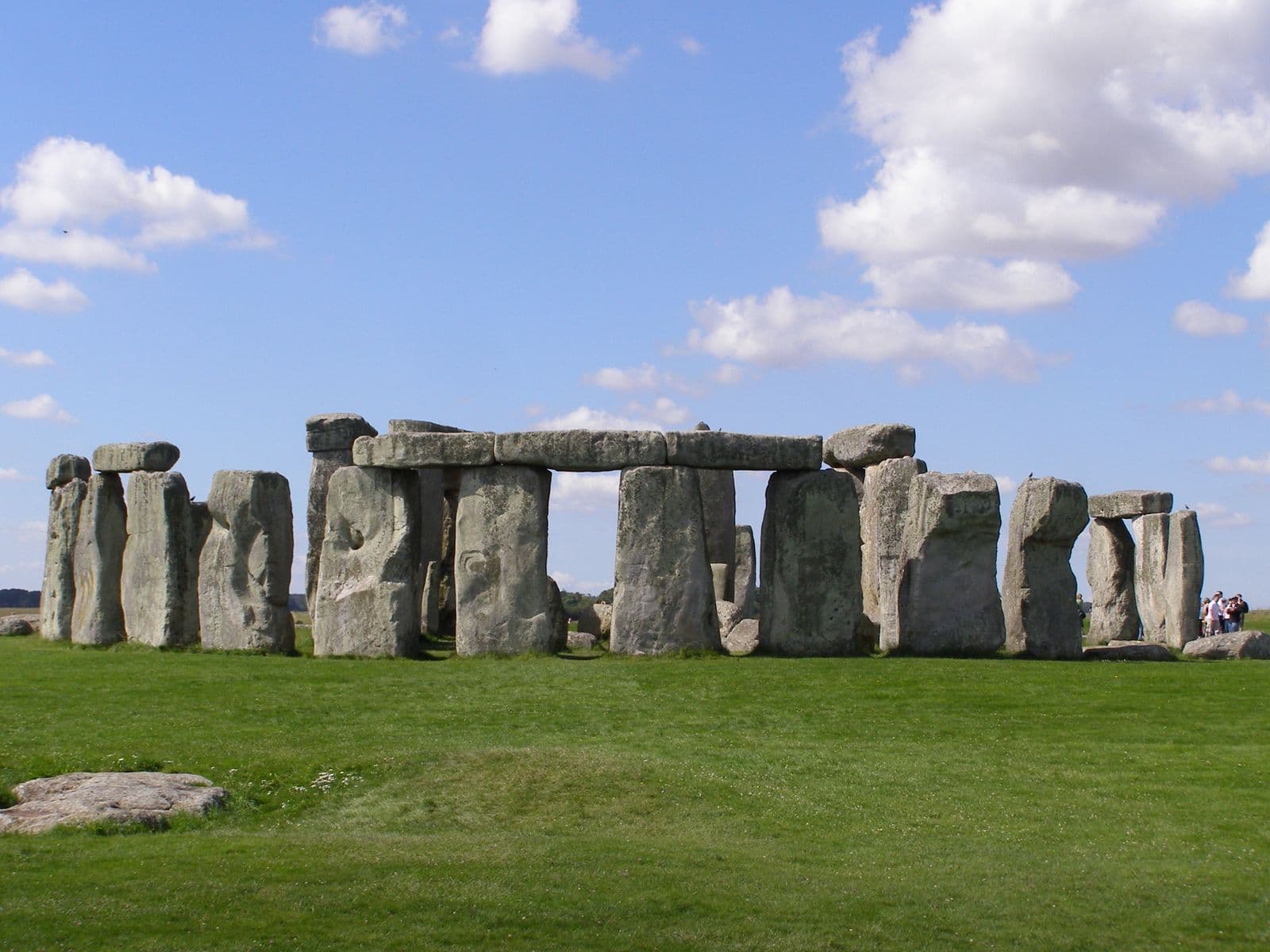
Stonehenge
The bluestones traveled 250 km from Wales. And the altar stone, from Scotland. Why those particular stones?
 Debated
Silbury Hill
Europe's tallest prehistoric man-made mound — a hill of stacked chalk with no known burial — built around 2400 BC by the societies of Stonehenge. How? Mastered. Why? Still unanswered.
 Debated
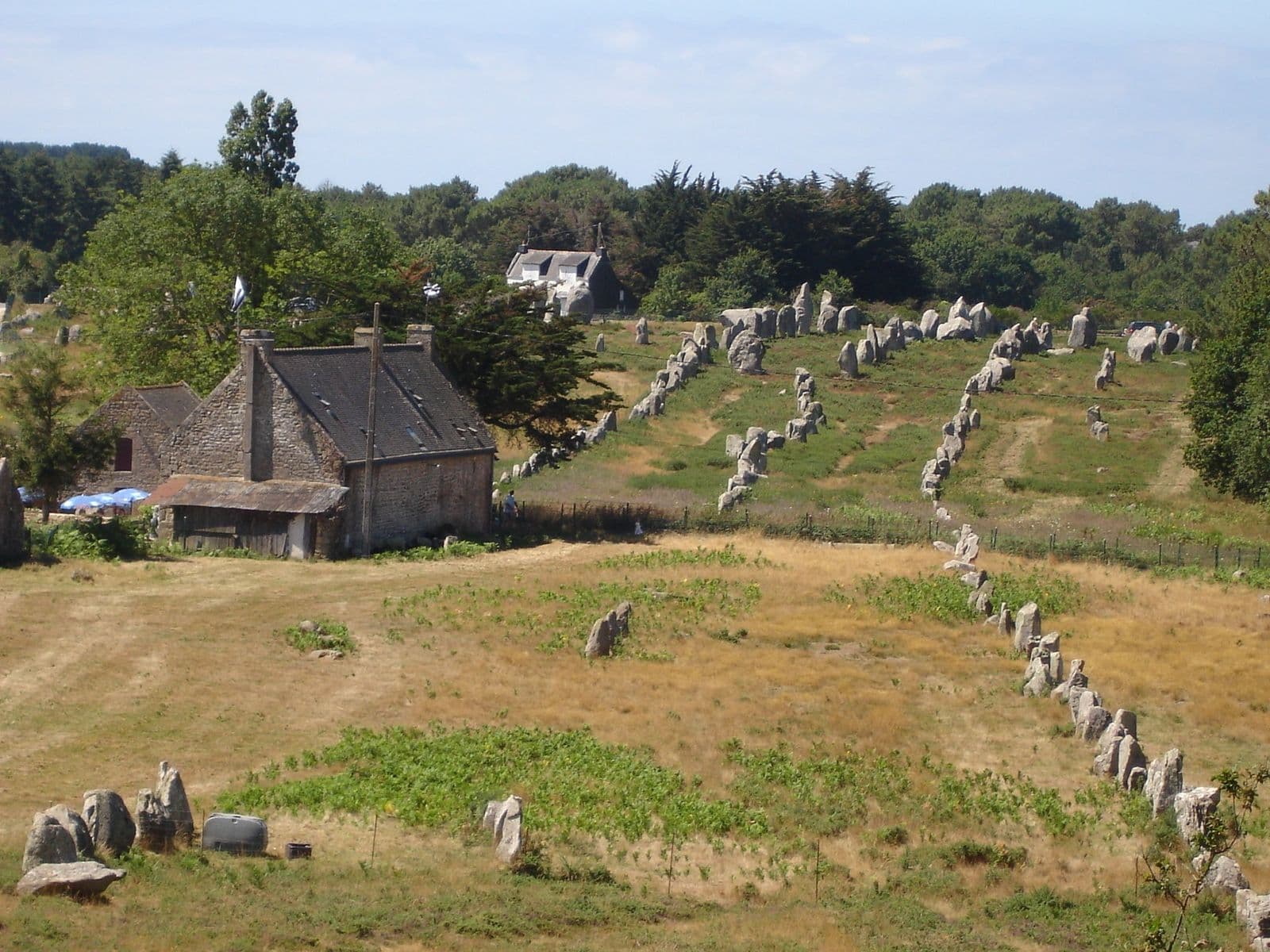
Carnac Stones
More than 3,000 standing stones in rows over ten kilometers. The largest megalithic complex in the world, dated between 4600 and 4300 BC — with no text to explain it.