
Knowth and Dowth
Neighbors of Newgrange in the bend of the Boyne, Knowth and Dowth complete Ireland's largest Neolithic funerary complex. Knowth's great mound holds two opposing passages and concentrates hundreds of carved stones — about a third of all megalithic art in Western Europe. Dowth, little excavated, is oriented toward the winter solstice sunset.
- Location
- Ireland · Europe
- Civilisation
- Irish Neolithic
- Period
- ~−3200 to −2900
- Technique
- Dry-stone passage tombs, engraved megalithic art (spirals, lozenges, chevrons), solar orientations
- Studies
real support, not settled. A revisable snapshot of the state of research, never a judgement.
→ Show on the mapThe elements of the site
Where the site is
53.701° N, 6.491° W · satellite view
What science says
Dating: the Knowth complex is dated to around 3200–2900 BC by modeling, established in the "Excavations at Knowth" series (Royal Irish Academy).
An unmatched concentration of megalithic art: several hundred carved stones catalogued at Knowth (including 127 kerbstones, about 90 decorated), representing a major share of Irish megalithic art and roughly a third of the total for Western Europe (Eogan 1986; Eogan & Shee Twohig 2021).
Dowth alignments: the south passage is oriented toward the winter solstice sunset, with light entering the chamber around December 21 — complementary to the sunrise at Newgrange.
The supposed equinoctial alignment at Knowth is qualified by measurements from Prendergast & Ray: the two passages point at ~85° and ~259°, a measurable offset from the true equinox — the light phenomenon exists but is not strictly equinoctial.
What remains unexplained
Related to
Studies & sources
Show 1 more sourcesCollapse sources
Keep exploring
 Debated
Newgrange
Who really slept at the heart of one of Ireland's oldest tombs?
 Debated
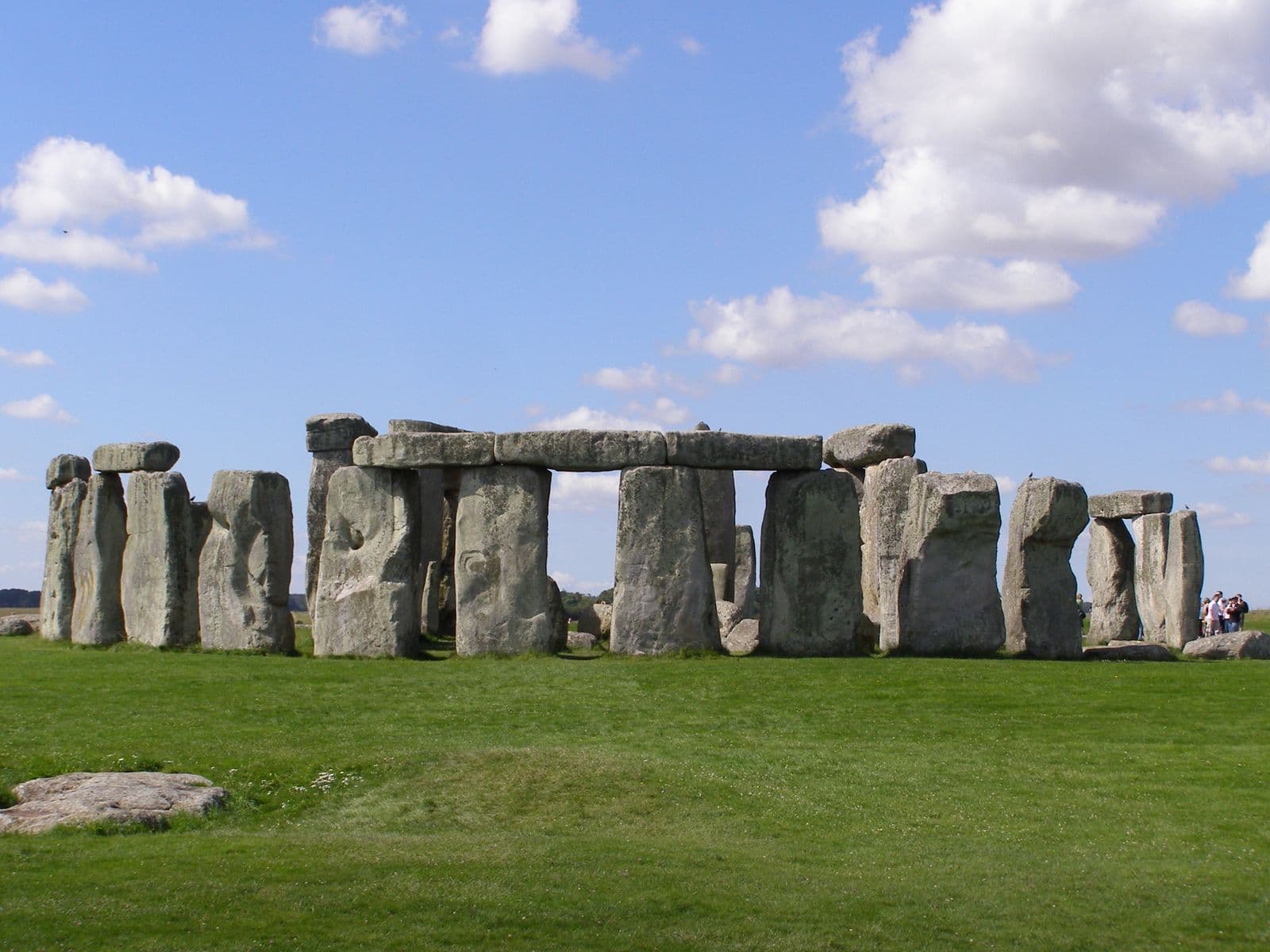
Stonehenge
The bluestones traveled 250 km from Wales. And the altar stone, from Scotland. Why those particular stones?
 Debated
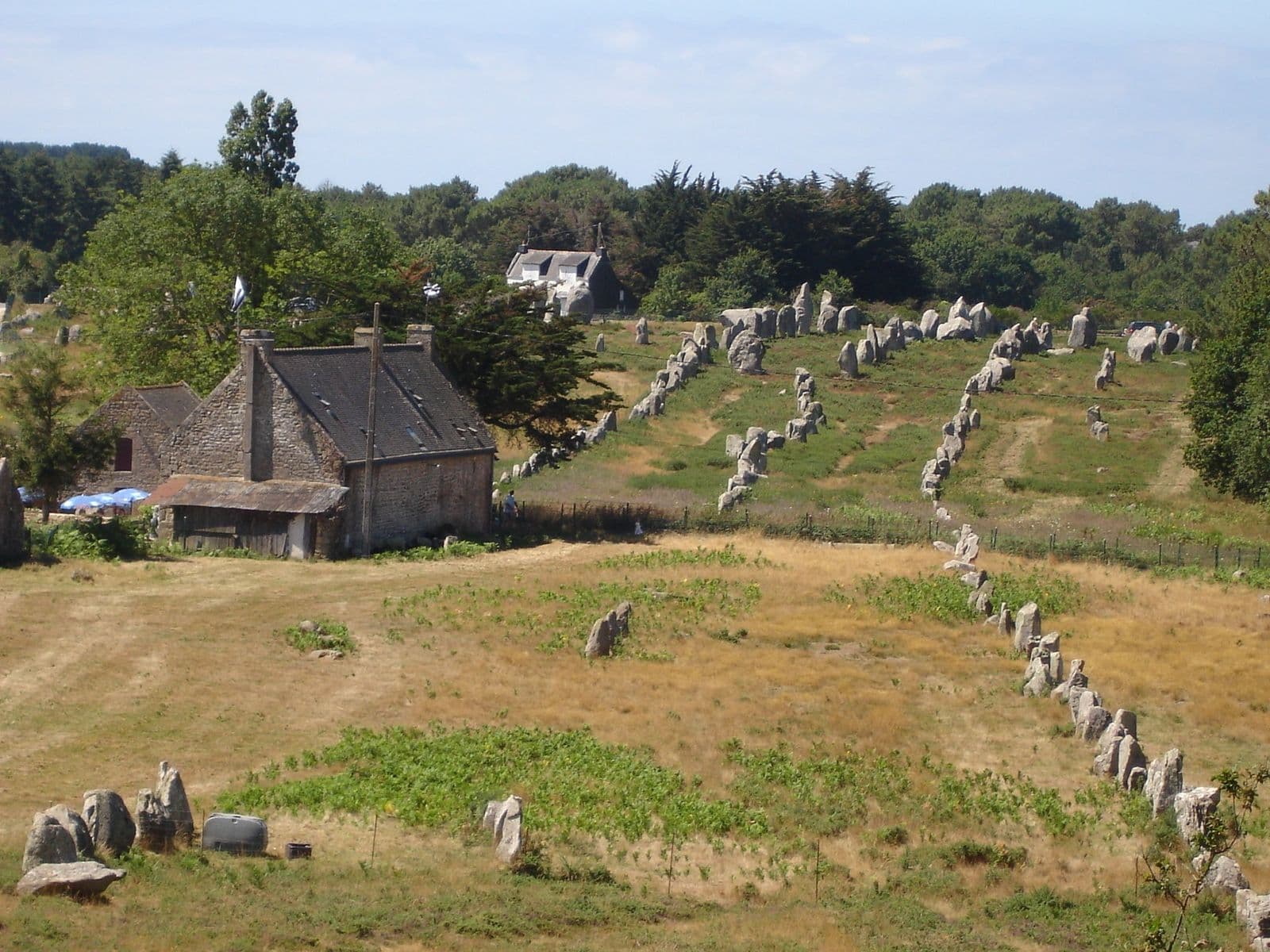
Carnac Stones
More than 3,000 standing stones in rows over ten kilometers. The largest megalithic complex in the world, dated between 4600 and 4300 BC — with no text to explain it.