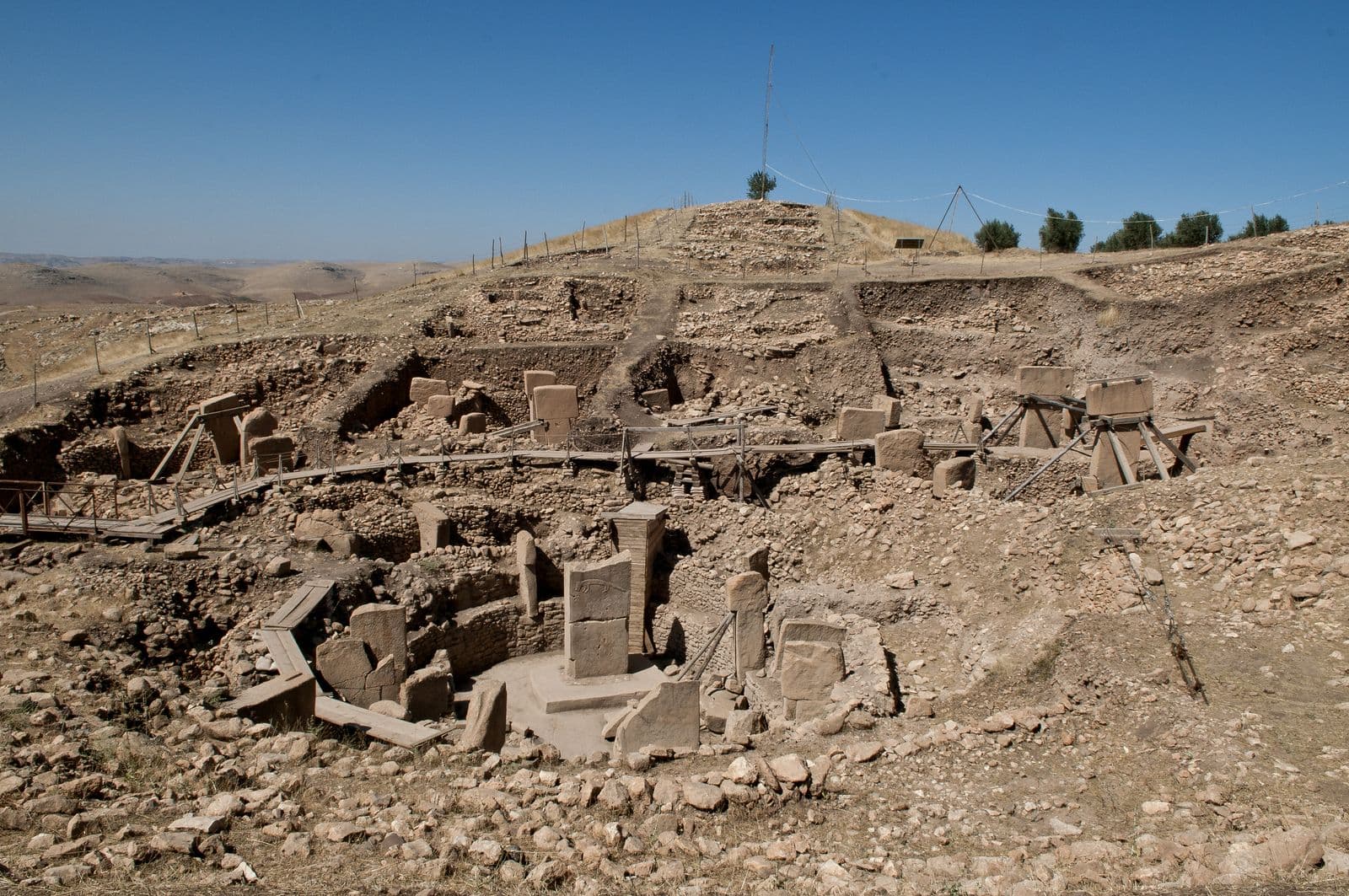
Göbekli Tepe
A monumental complex built by hunter-gatherers, 6,000 years before the pyramids. Then buried — deliberately or by time, the debate is open.
- Location
- Turkey · Near East
- Civilisation
- Hunter-gatherers (PPNA)
- Period
- −9600 → −8000
- Technique
- Carved T-shaped pillars, up to 16 t
- Studies
- ~200 publications since 1995
no explanation commands consensus to date. A revisable snapshot of the state of research, never a judgement.
→ Show on the mapThe elements of the site
Where the site is
37.220° N, 38.920° E · satellite view
What science says
German excavations (DAI) continuous since 1995; the oldest structures (Enclosure D, layer III) are C14-dated to ca. 9745-9314 cal BC, i.e. approximately -9600. The whole site remains active until ca. -8000 BC.
A pre-agricultural society capable of monumental architecture — the 'agriculture first' model is reversed.
The animal reliefs correspond to the local fauna of the period, identified through archaeozoology.
Intensive — probably seasonal — occupation is attested by >7,000 grinding tools and phytoliths of wild cereals (einkorn, barley, wheat). The exact nature of this occupation (permanent residential vs. seasonal) remains debated: no water source on site, no cultivated area identified.
What remains unexplained
Parallels
Same grammar of T-shaped pillars, 35 km apart — linked by stone alone.
Parallel acceptedRelated to
Studies & sources
Show 19 more sourcesCollapse sources
Keep exploring
 No accepted answer
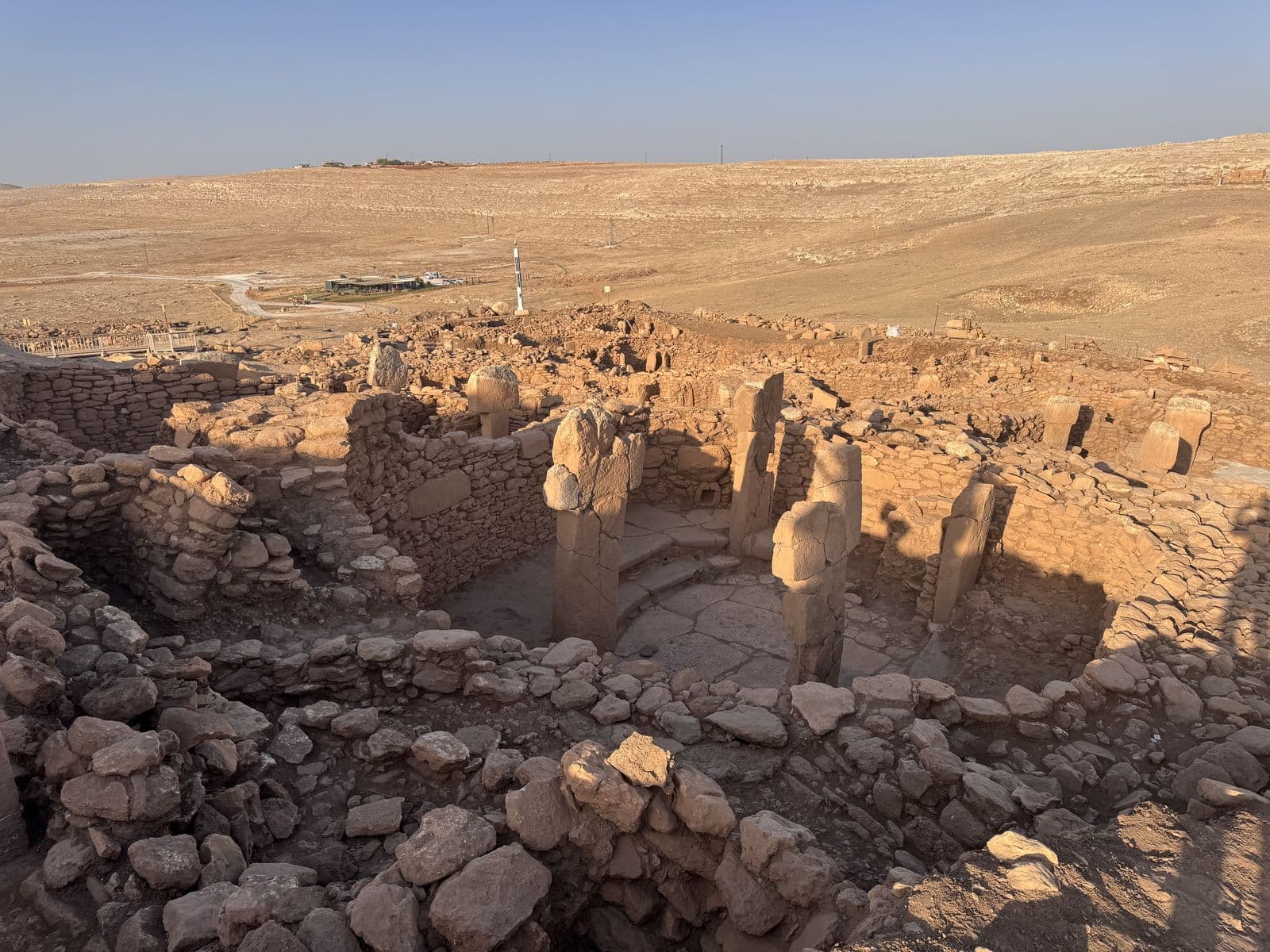
Karahan Tepe
The "brother" of Göbekli Tepe, perhaps even older. Only seriously excavated since 2019.
 Debated
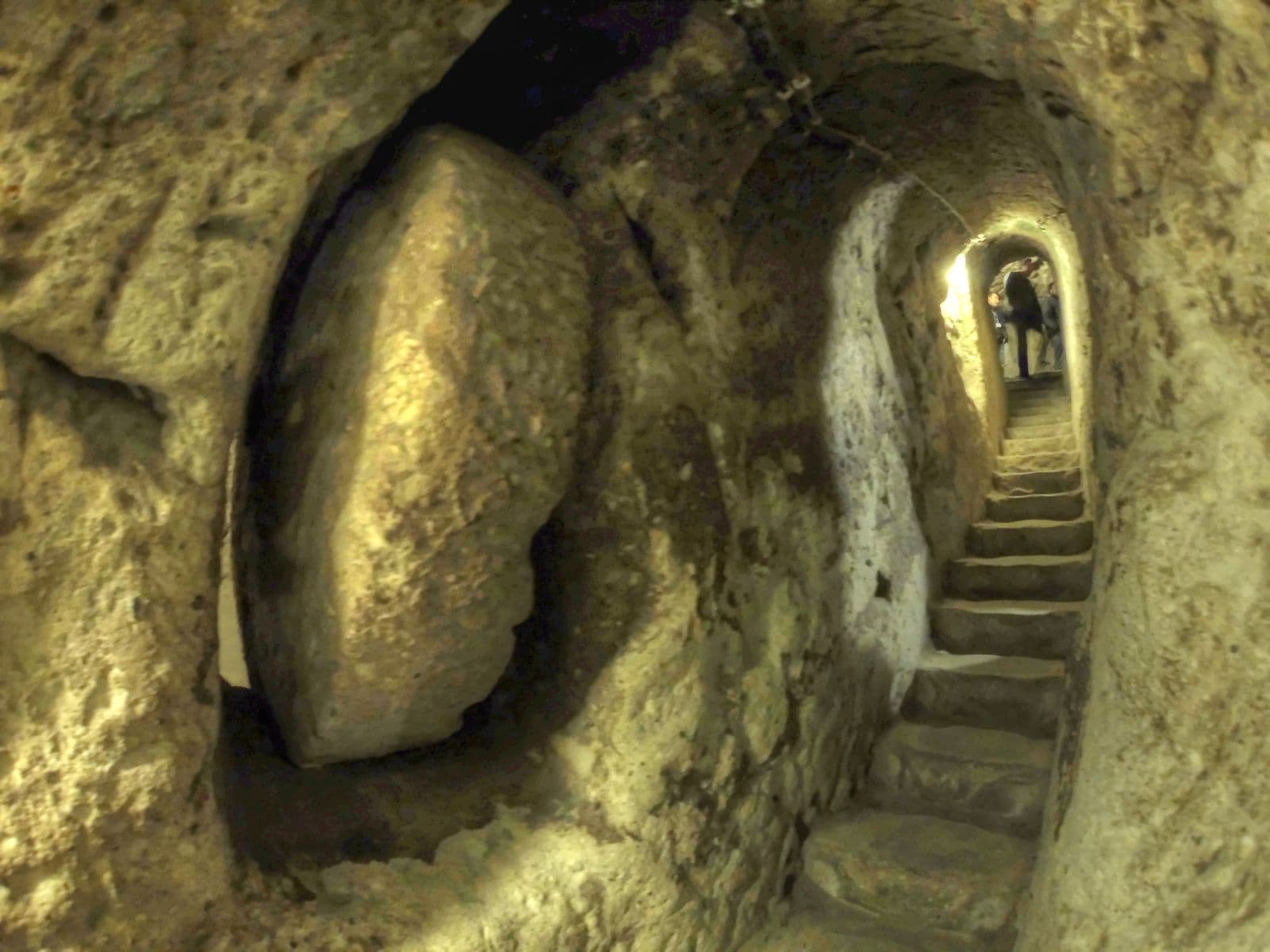
Derinkuyu
A city carved beneath Cappadocia, able to shelter up to 20,000 people according to a volumetric estimate, with wells, stables and millstone doors.
 Debated
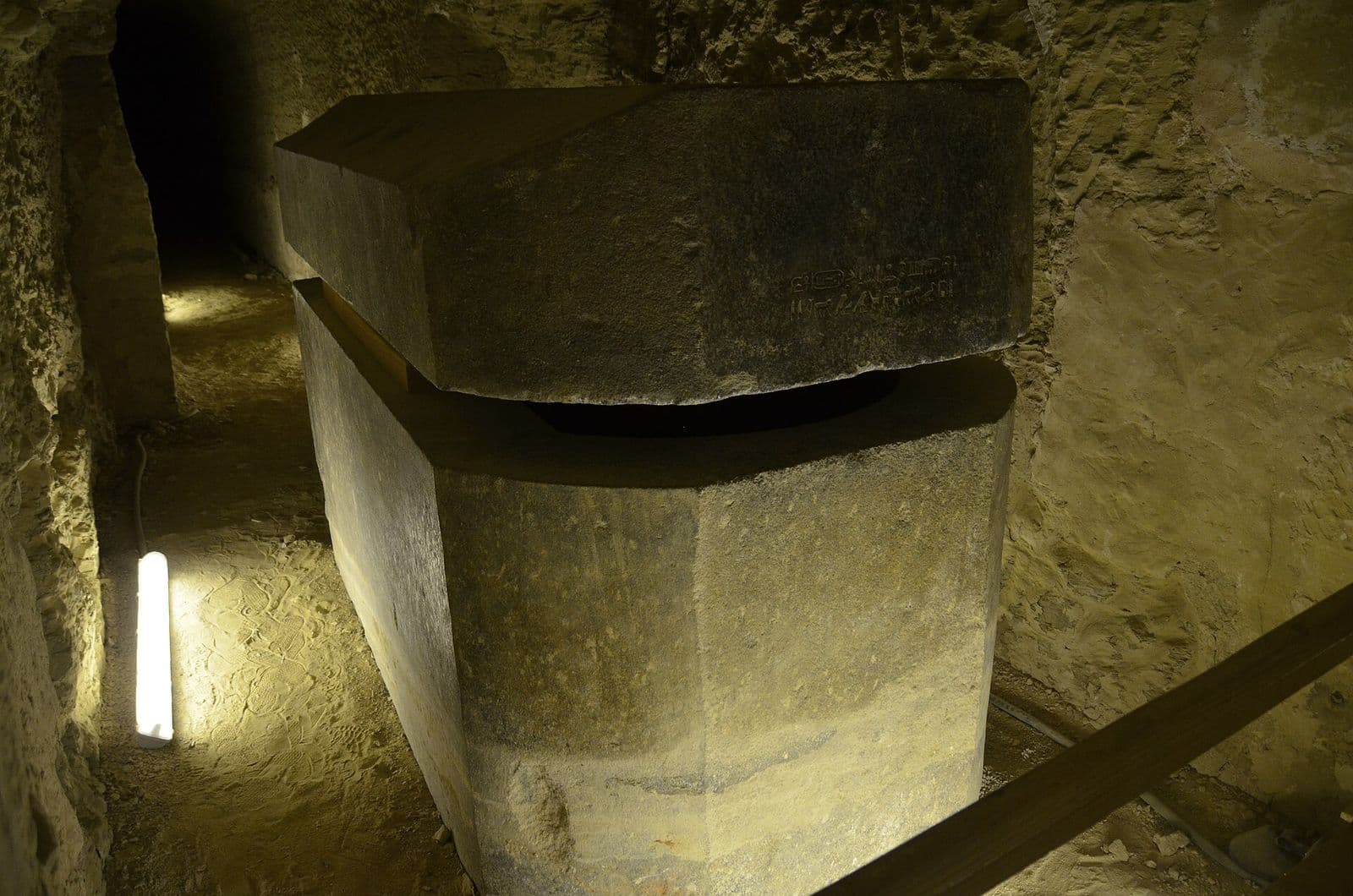
Serapeum of Saqqara
Twenty-four black granite sarcophagi, 60 to 80 tons, lowered into underground galleries carved out for the sacred Apis bulls.