Carnac Stones
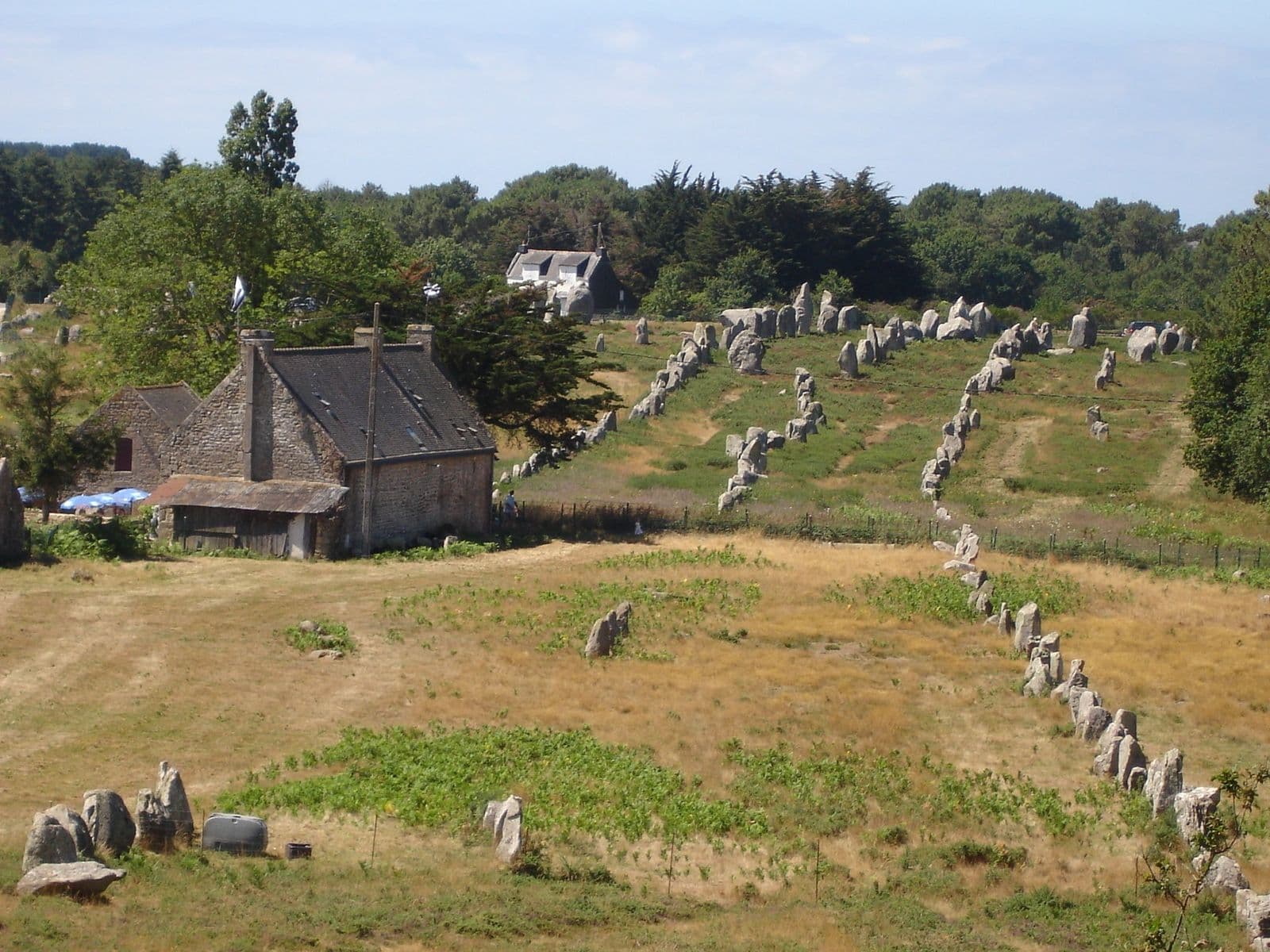
More than 3,000 standing stones in rows over ten kilometers. The largest megalithic complex in the world, dated between 4600 and 4300 BC — with no text to explain it.
- Location
- France · Europe
- Civilisation
- Armorican Neolithic
- Period
- ~−4500
- Technique
- Standing stones aligned over 4 km
- Studies
real support, not settled. A revisable snapshot of the state of research, never a judgement.
→ Show on the mapThe elements of the site
Where the site is
47.590° N, 3.080° W · satellite view
What science says
Radiocarbon dating (49 measurements, Bayesian modeling, *Antiquity* 2025): construction between ~4600 and 4300 BC, among the oldest megalithic monuments in Europe. The Gulf of Morbihan is confirmed as the cradle of European megalithism.
The layout converges toward oval enclosures (Ménec); associated cooking pits suggest communal gatherings linked to the building works — procession or territorial marking remain competing, unestablished hypotheses.
The Great Broken Menhir of Er Grah (Locmariaquer, ~280 t, the largest Neolithic monolith in Europe) is distinct from the Carnac alignments but belongs to the same cultural horizon; its foundation pits prove it was indeed erected before it fell.
UNESCO World Heritage inscription on 12 July 2025 (47th session, Paris): 550+ monuments across 28 municipalities, the first Breton site to be listed. Outstanding universal value recognized for the density and antiquity of the megalithic landscape.
What remains unexplained
Related to
Studies & sources
Show 11 more sourcesCollapse sources
Keep exploring
 Consensus
Cairn of Barnenez
Among the oldest megalithic monuments in Europe (around 4800/4200 BC), the Barnenez cairn houses 11 passage graves beneath two dry-stone masses 72 m long. Nearly demolished by a quarry in 1955, it was saved by Pierre-Roland Giot and listed as early as 1956 — André Malraux nicknamed it "the Parthenon of prehistory".
 Debated
Stonehenge
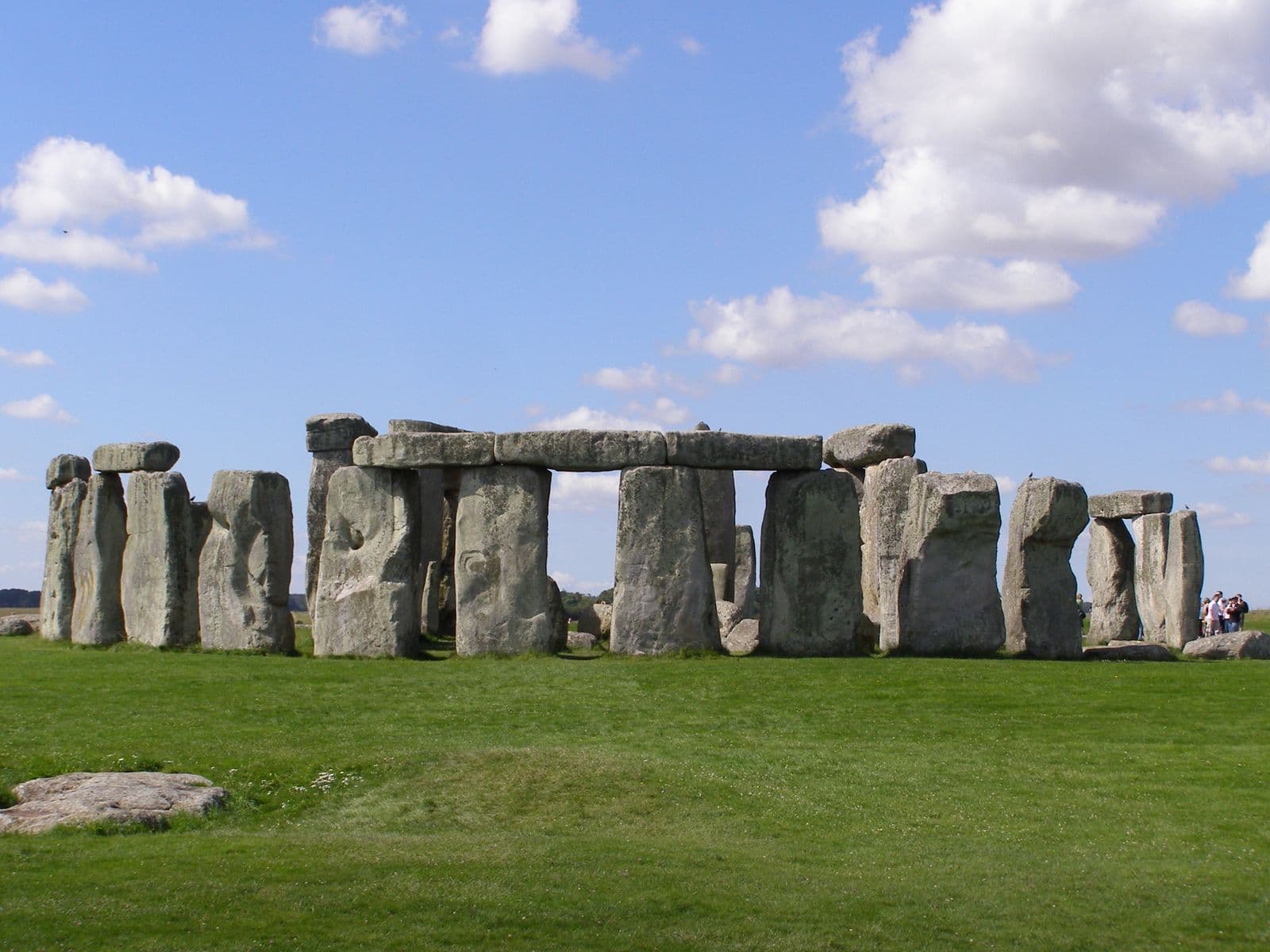
The bluestones traveled 250 km from Wales. And the altar stone, from Scotland. Why those particular stones?
 Consensus
Ħaġar Qim
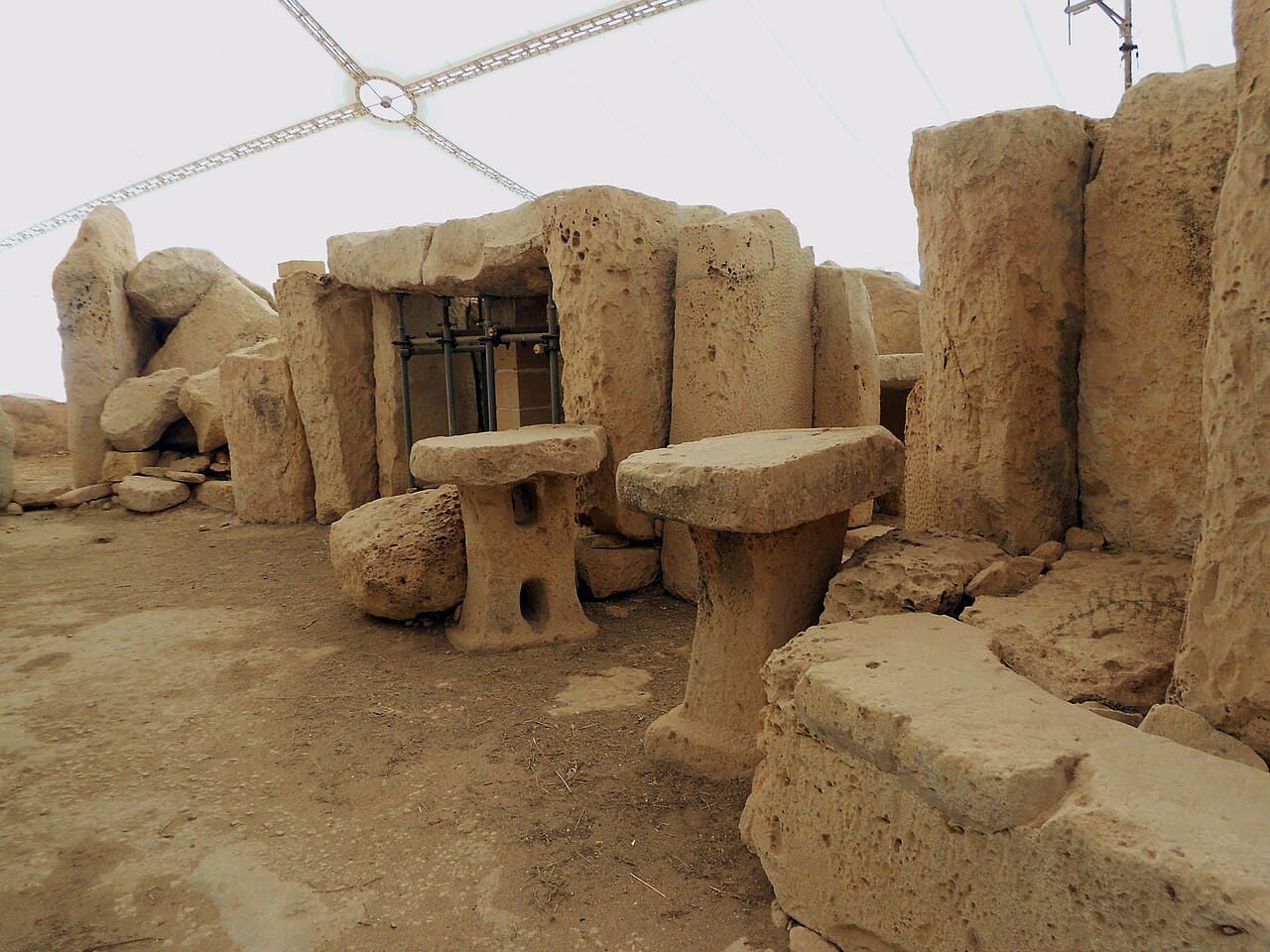
Temples older than Stonehenge, on an island with no rivers or forests. Two local limestones, zero metal, solar alignments at the solstice. Then the culture vanishes within two generations.