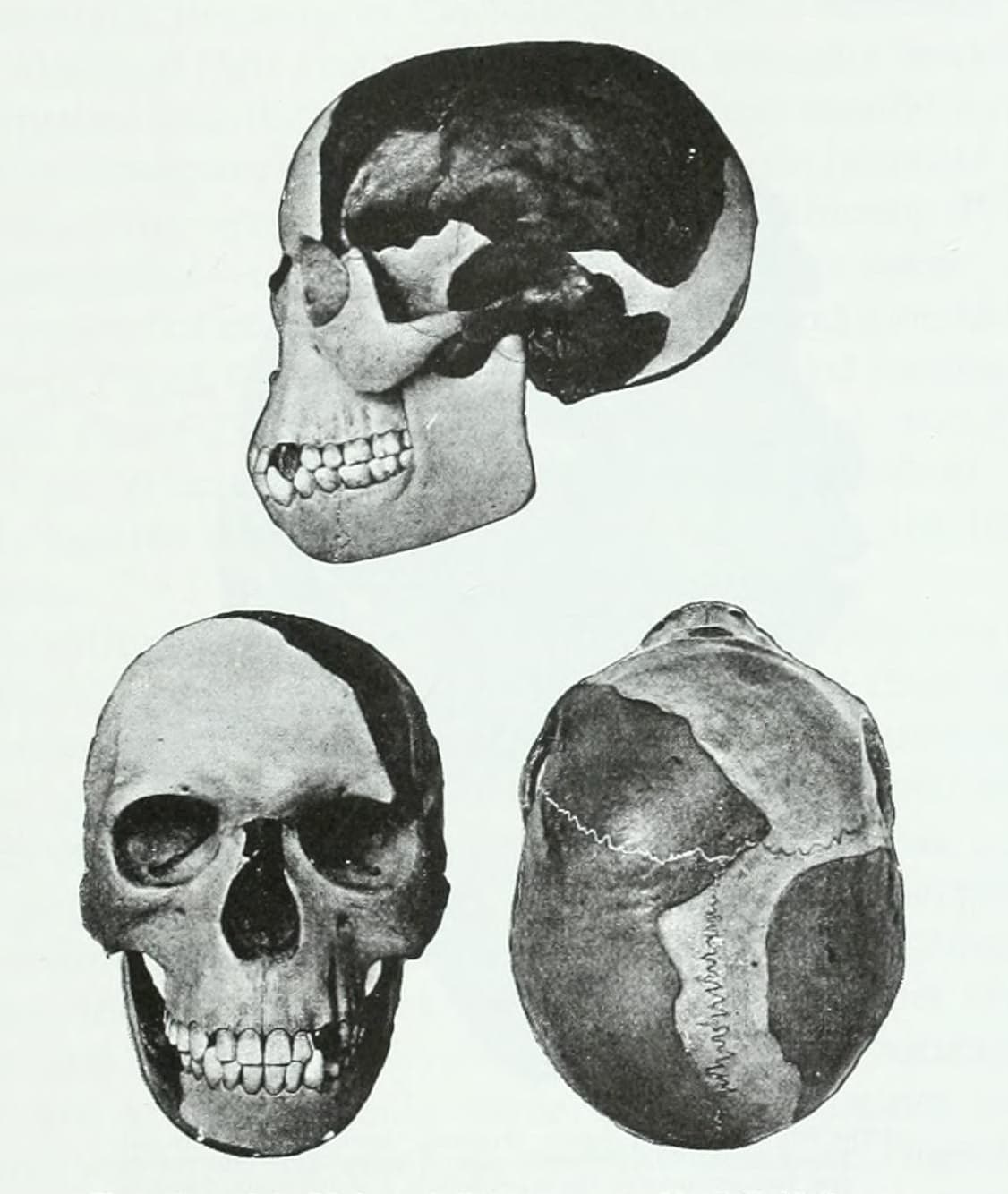
Piltdown Man
The "English missing link" fooled science for 40 years. Its unmasking founded the scientific policing of fossils.
- Location
- England · Europe
- Civilisation
- Paleontological hoax
- Period
- exposed in 1912, unmasked in 1953
- Technique
- Human skull + orangutan jaw
- Studies
the proof of forgery is documented. A revisable snapshot of the state of research, never a judgement.
→ Show on the mapThe elements of the site
Where the site is
51.000° N, 0.070° E · satellite view
The proof of the forgery
- What science saysconsensus, dating, published excavations
1953: fluorine and nitrogen dating, staining (iron + potassium dichromate) and filed teeth uncovered — a modern human skull assembled with an orangutan jaw (Pongo pygmaeus, Borneo).
The filed teeth carry striations impossible on natural wear.
2016 (Royal Society Open Science): DNA and morphometrics point to Charles Dawson as the "most probable" forger — without it being possible to affirm that he acted alone.
1913 (Dawson & Woodward, QJGS): official announcement of Eoanthropus dawsoni — a simian jaw + human skull presented as an early Pleistocene fossil.
1950 (Oakley & Hoskins, Nature): first fluorine test — abnormally low levels in the jaw, the signal ignored for lack of a clear result.
Why people believed it
Related to
Studies & sources
Show 9 more sourcesCollapse sources
Keep exploring
 Debated
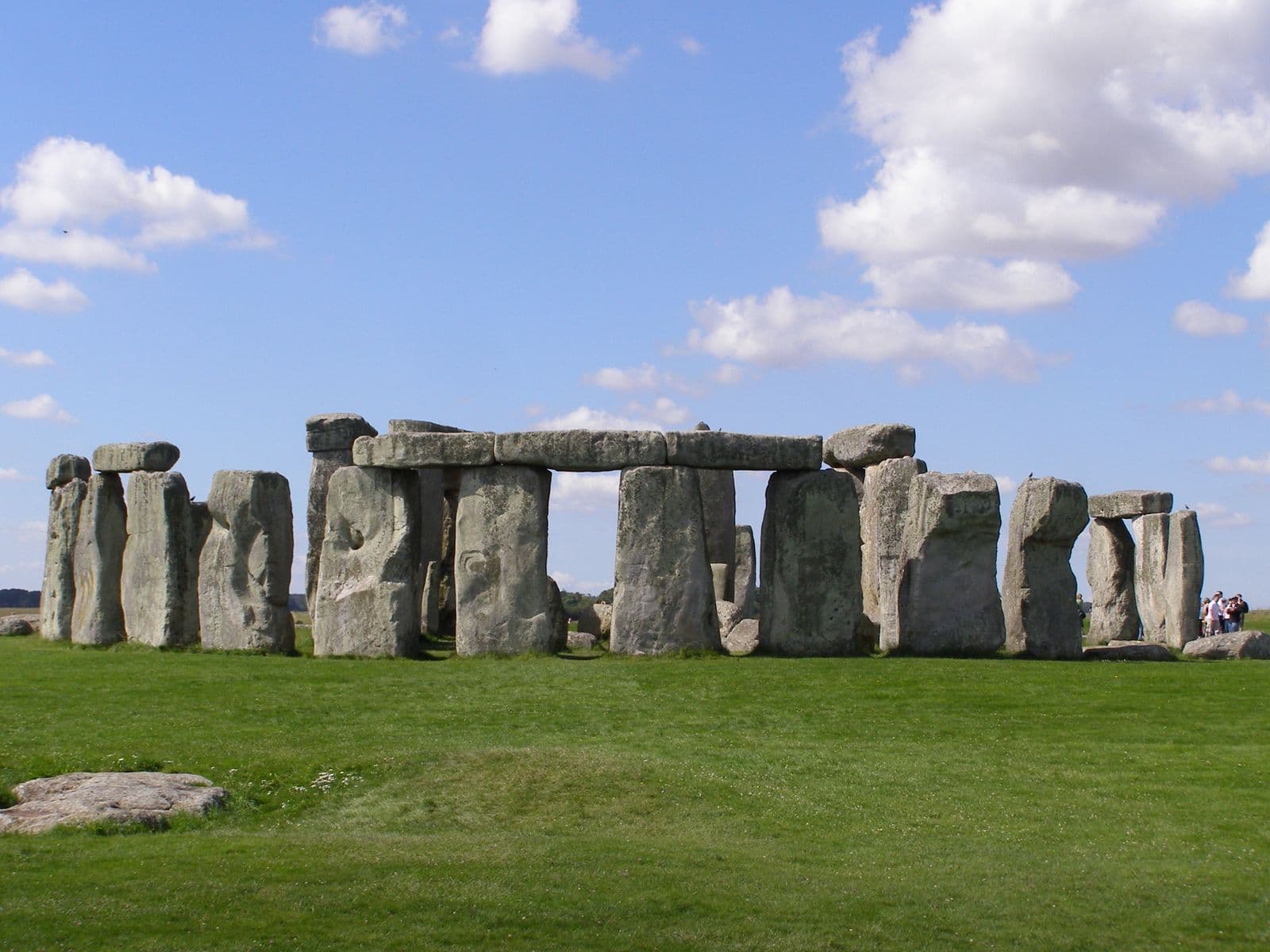
Stonehenge
The bluestones traveled 250 km from Wales. And the altar stone, from Scotland. Why those particular stones?
 Debated
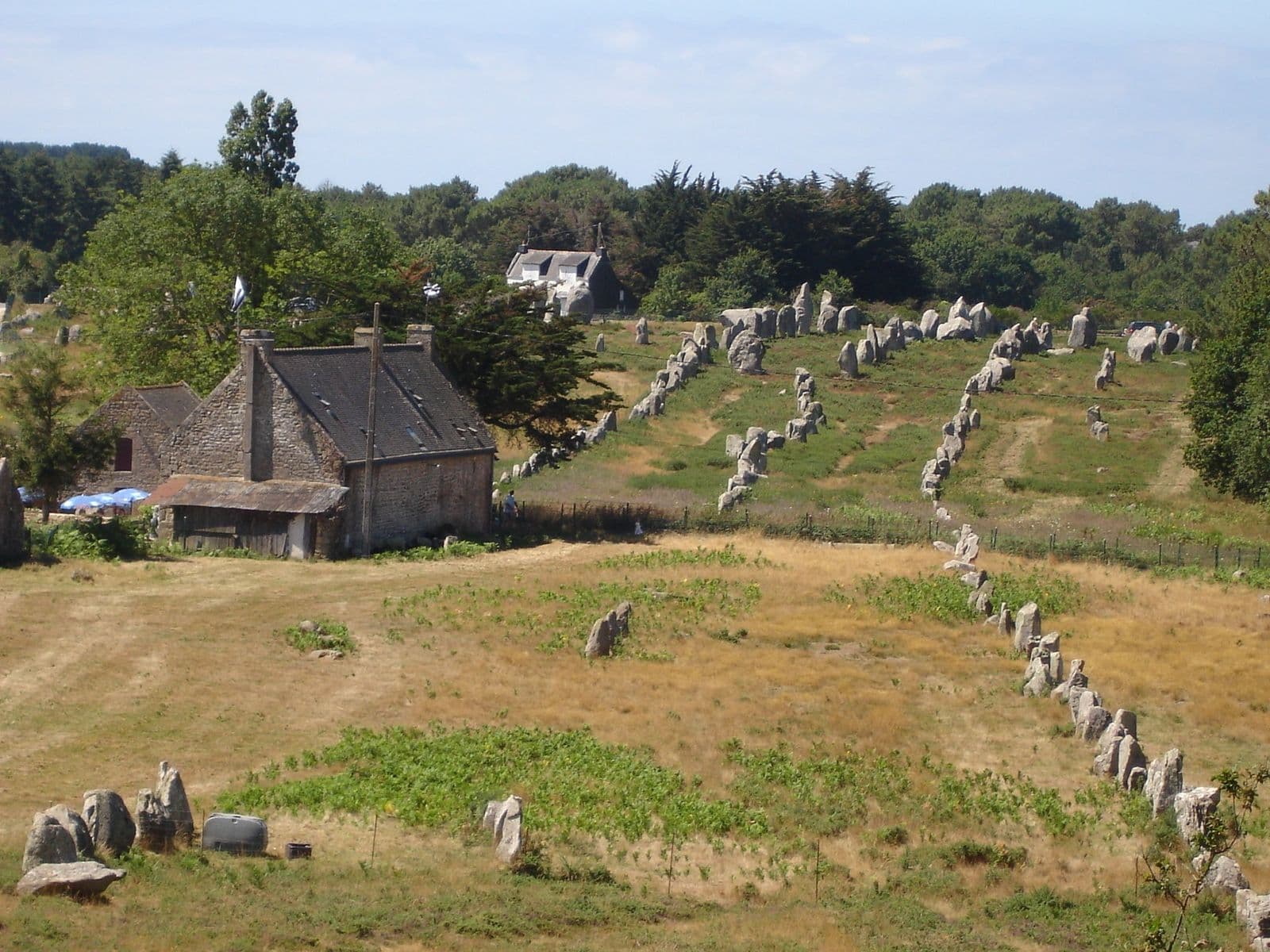
Carnac Stones
More than 3,000 standing stones in rows over ten kilometers. The largest megalithic complex in the world, dated between 4600 and 4300 BC — with no text to explain it.
 Consensus
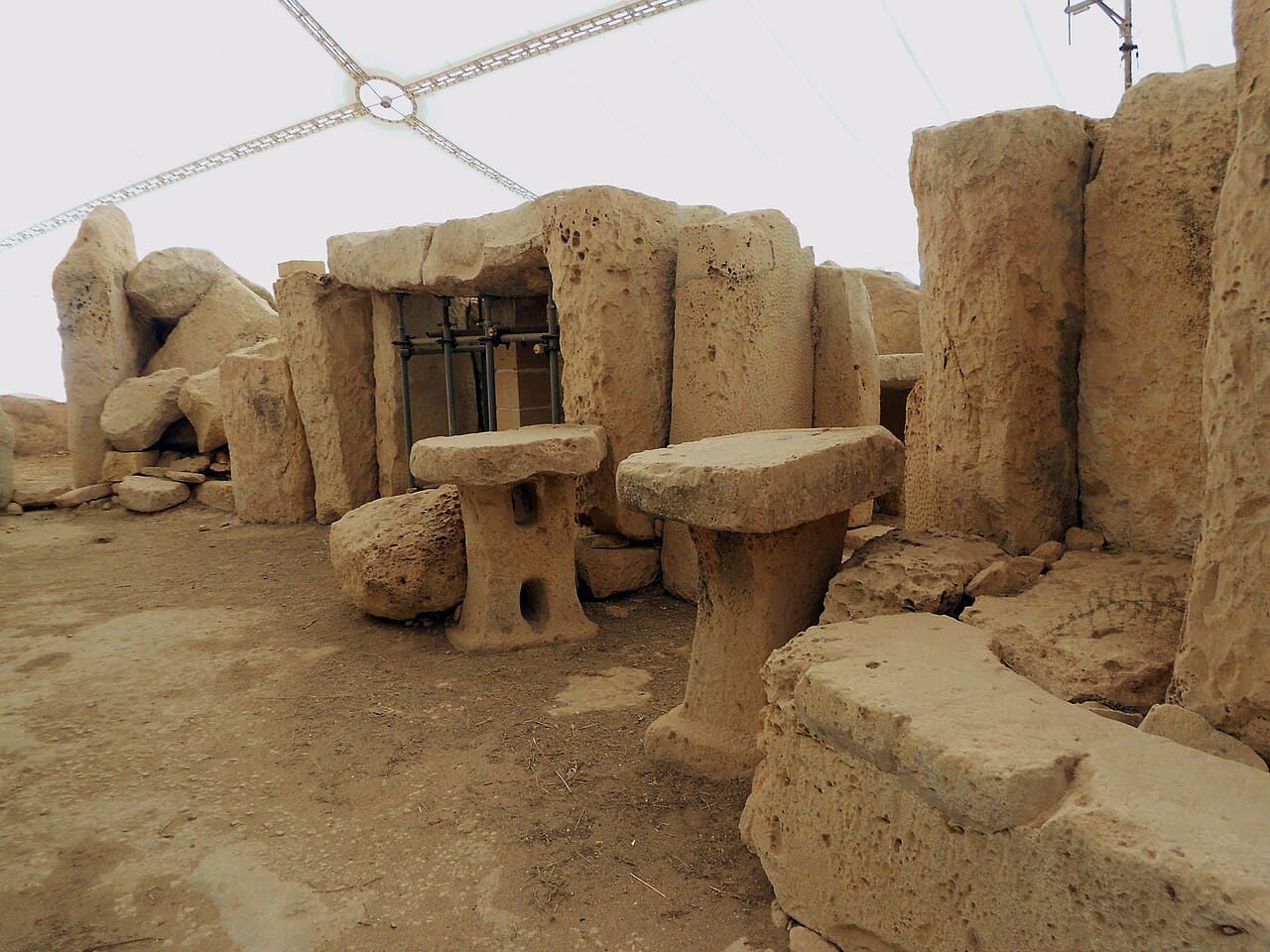
Ħaġar Qim
Temples older than Stonehenge, on an island with no rivers or forests. Two local limestones, zero metal, solar alignments at the solstice. Then the culture vanishes within two generations.