
Sayhuite Stone (Saywite)
A granite block 4 meters long covered with 200 relief figures: terraces, canals, pumas, frogs, monkeys. A hydraulic model of the Inca empire? No one really knows yet.
- Location
- Peru · Americas
- Civilisation
- Inca (attribution debated)
- Period
- ~1400 → ~1533
- Technique
- Granite carved in bas-relief, ~200 zoomorphic and geometric figures
- Studies
- No published stratigraphic excavations; peer-reviewed literature on the site itself is almost nonexistent
real support, not settled. A revisable snapshot of the state of research, never a judgement.
→ Show on the mapWhere the site is
13.547° S, 72.803° W · satellite view
What science says
The monolith is a granite block of about 4 m × 2 m × 2.5 m (the upper half of an outcropping rock) located on Concacha hill, Curahuasi district, Abancay province, Apurímac region, at ~3,500 m altitude. The material is granite — the site's other blocks, in andesite, are distinct.
The surface presents more than 200 bas-relief figures: felines (pumas), frogs, reptiles, monkeys, condors, crabs — fauna from the three Andean geographic zones (coast, highlands, jungle) — as well as agricultural terraces, irrigation channels, basins, tunnels, stairs and platforms. Traces of successive modifications to the channels indicate active use over time.
- Debated among researchersreal support, not settled
Attribution to the Inca Empire (15th–16th c.) is the majority reading (Hemming, *Monuments of the Incas*, Thames & Hudson, 1982/2010, p. 184). The Apurímac region was historically a territory of the Chanka confederation, defeated by the Inca before their expansion; a Chanka or Wari origin has been suggested but is not supported by any published stratigraphic excavation.
No absolute dating (radiocarbon, OSL) has been published for the monolith itself. Peer-reviewed academic literature specifically devoted to the site is nearly nonexistent — the 15th–16th century date rests on cultural context, not a direct measurement.
What remains unexplained
Related to
Studies & sources
Keep exploring
 No accepted answer
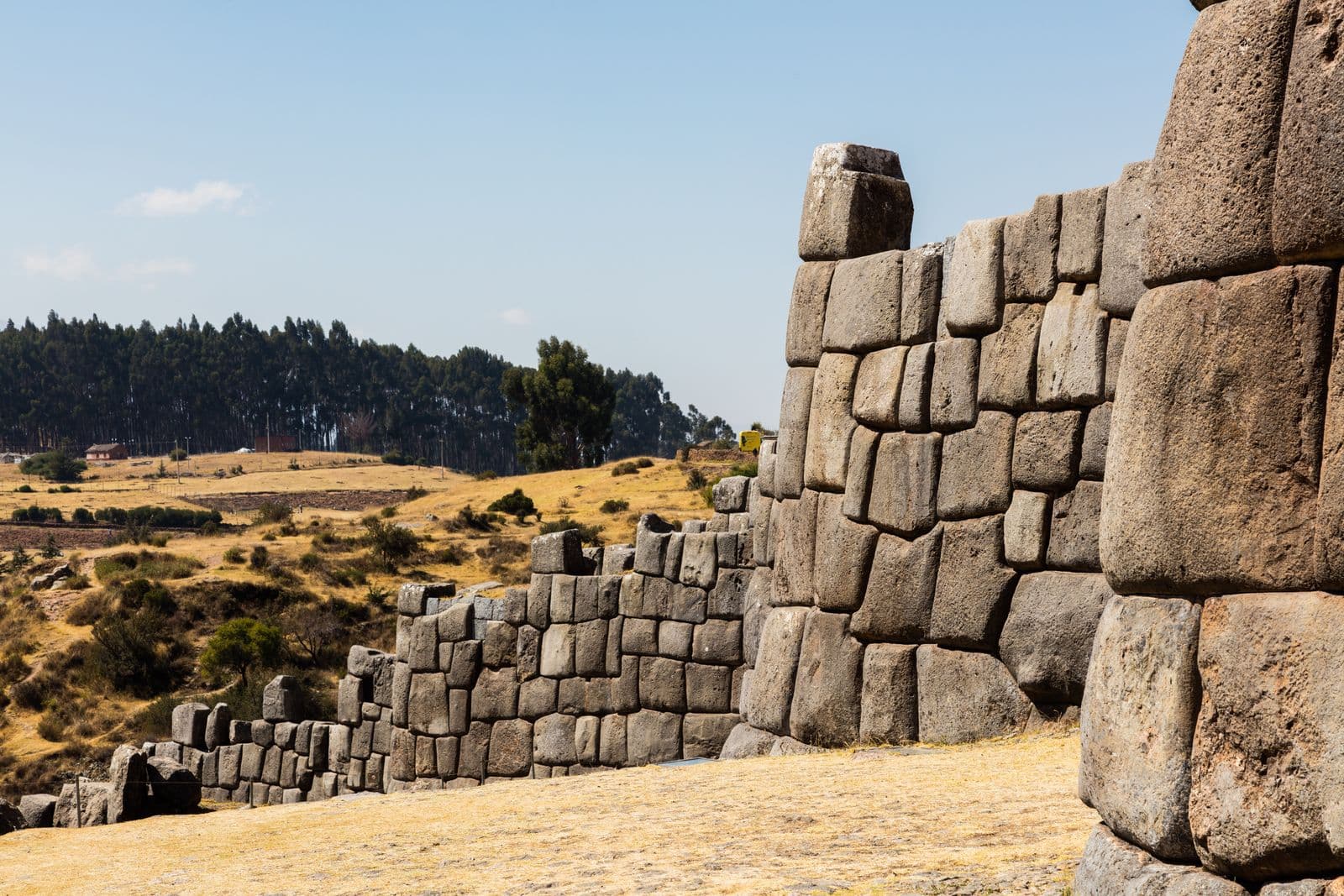
Sacsayhuamán
Blocks of 100+ tons, joints fitted to the millimeter, without mortar or iron. How?
 No accepted answer
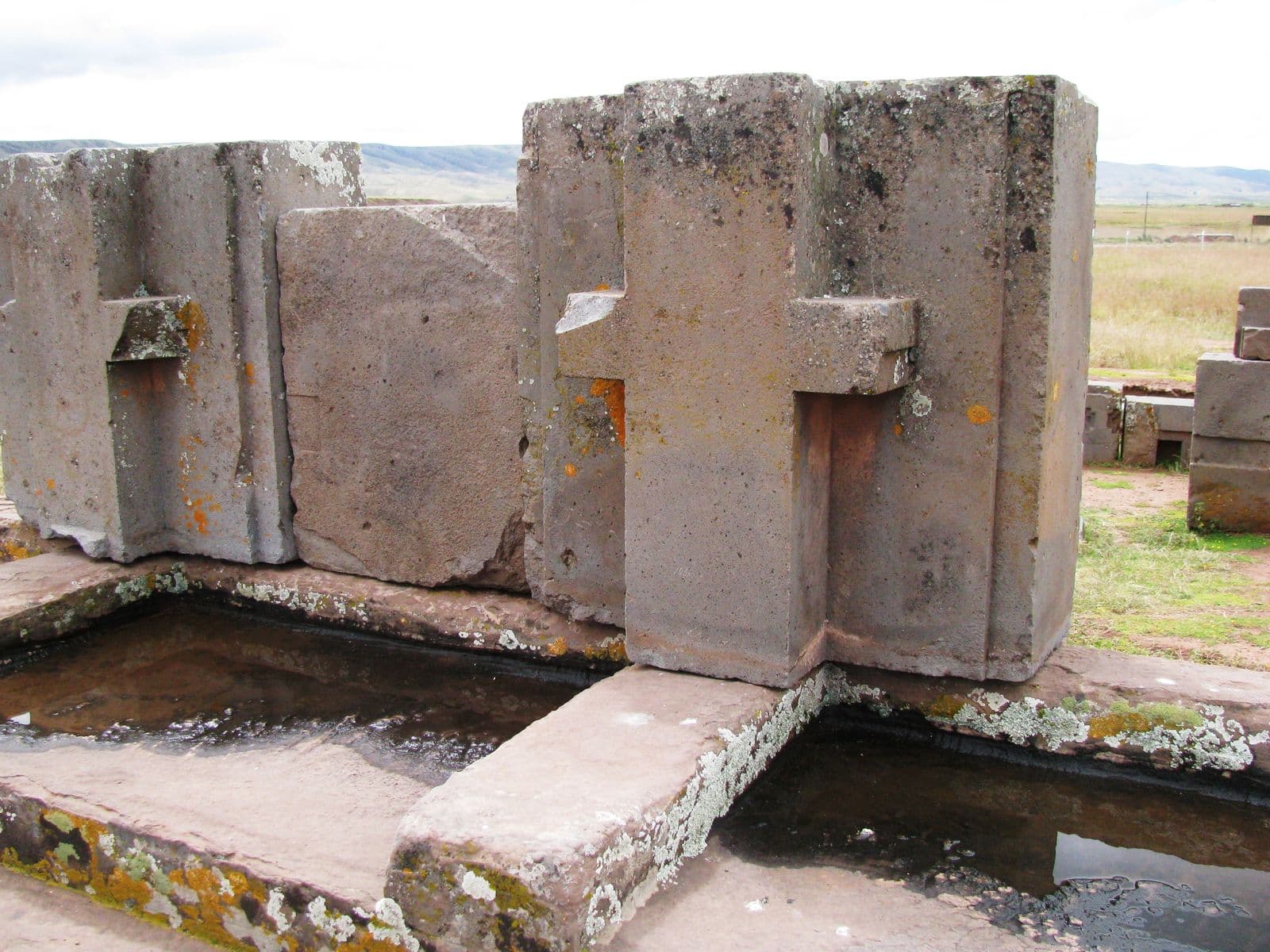
Pumapunku
Andesite H-blocks cut and standardized with remarkable precision — without iron tools, using hard-stone pounders and abrasives. The method is documented, the scale remains astonishing.
 Refuted
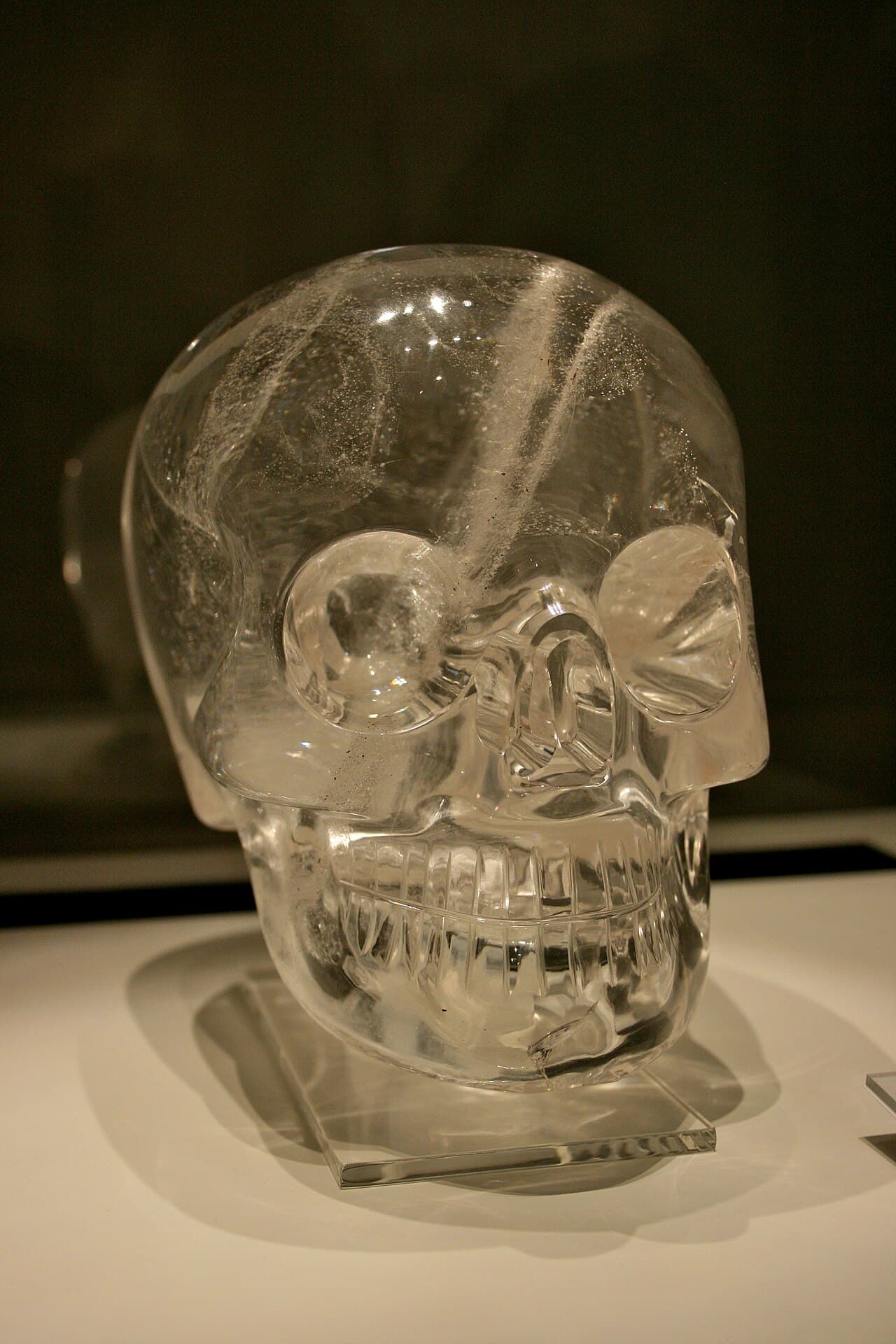
Crystal skulls
The world's most famous "pre-Columbian relics" came out of 19th–20th century workshops.