
Silbury Hill
Europe's tallest prehistoric man-made mound — a hill of stacked chalk with no known burial — built around 2400 BC by the societies of Stonehenge. How? Mastered. Why? Still unanswered.
- Location
- United Kingdom · Europe
- Civilisation
- British Neolithic
- Period
- ~−2470 to −2300
- Technique
- Multi-phase chalk mound, ~30 m high (academic measurements: 39.3 m), ~248,000 m³
- Studies
real support, not settled. A revisable snapshot of the state of research, never a judgement.
→ Show on the mapThe elements of the site
Where the site is
51.416° N, 1.857° W · satellite view
What science says
30 radiocarbon dates (Bayliss, McAvoy & Whittle, Antiquity 2007) place the start of construction in the second half of the 25th century BC (~2470–2350); Bayesian models suggest a duration of several decades to a century and a half.
The reference monograph (Leary, Field & Campbell, English Heritage 2013) documents numerous incremental construction phases, refuting Atkinson's three-stage model (1968–1970): the mound was built up over successive generations.
Volume: ~248,000 m³ of chalk and clay; circular base about 160 m in diameter. The volume is comparable to that of contemporary Egyptian pyramids.
The 2007–2008 excavation (English Heritage Conservation Project) revealed exceptional organic preservation at the core of the mound and a Romano-British settlement at its foot. No artifact or burial linked to the construction has been found.
What remains unexplained
Related to
Studies & sources
Show 1 more sourcesCollapse sources
Keep exploring
 Debated
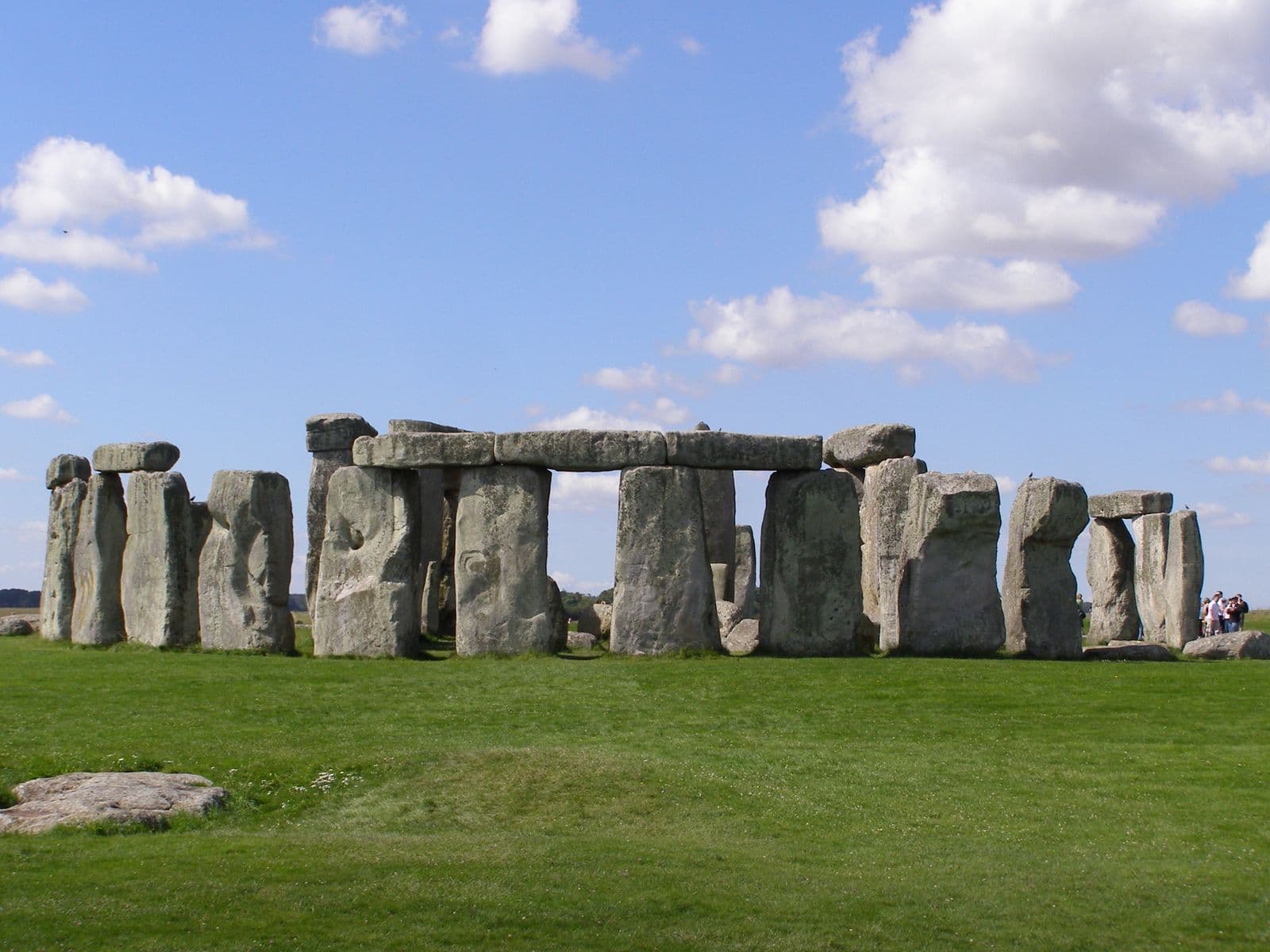
Stonehenge
The bluestones traveled 250 km from Wales. And the altar stone, from Scotland. Why those particular stones?
 Consensus
Avebury Circle
With its 11.5 hectares (28.5 acres) enclosed by a ditch 9 m deep and an outer circle 338 m in diameter, Avebury is Europe's largest megalithic henge monument. Built in phases between ~2850 and ~2200 BC, it holds around a hundred sarsens, exact count still debated, — many toppled or buried in the Middle Ages — two inner circles and a 2.4 km avenue.
 Debated
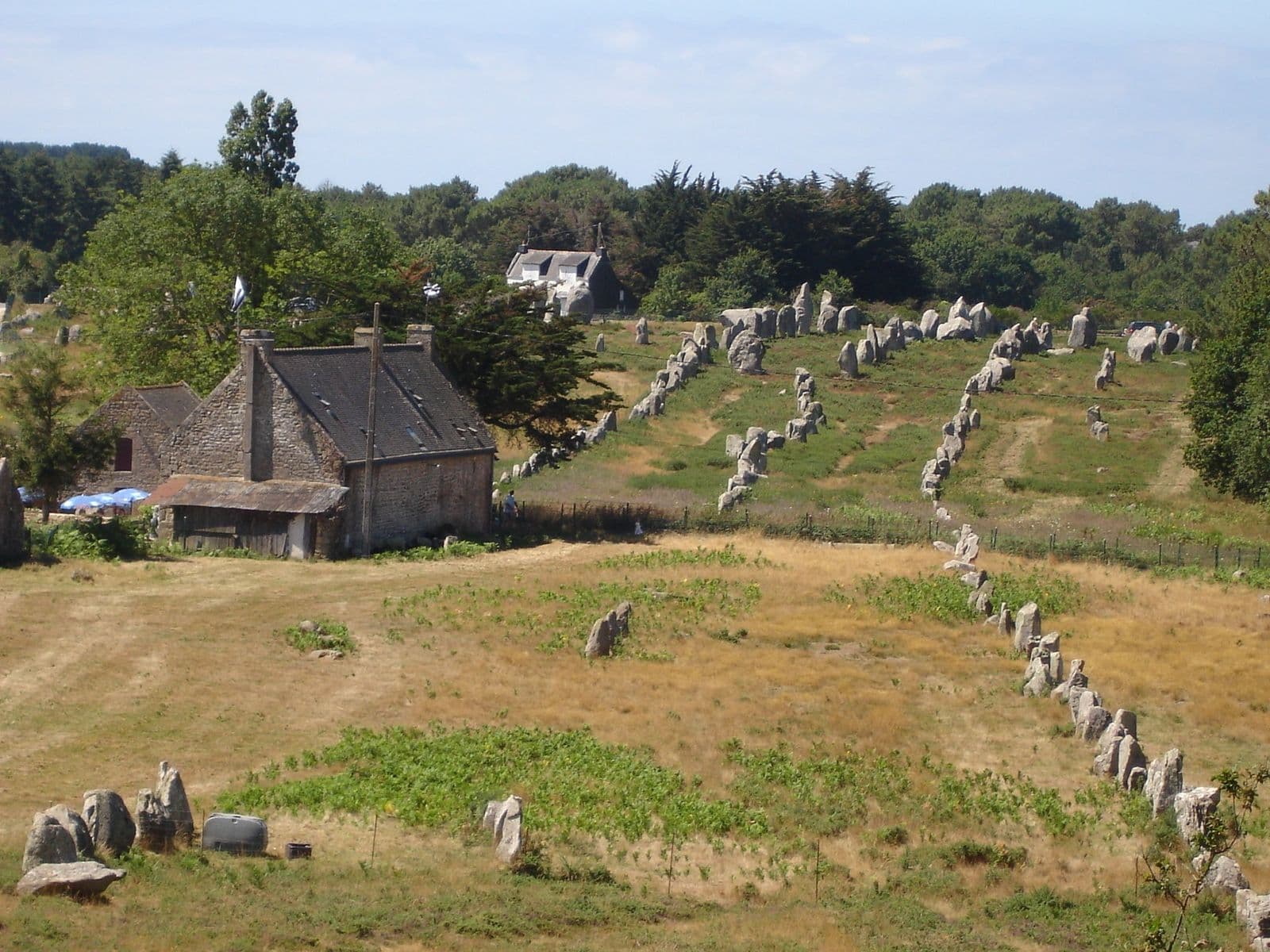
Carnac Stones
More than 3,000 standing stones in rows over ten kilometers. The largest megalithic complex in the world, dated between 4600 and 4300 BC — with no text to explain it.