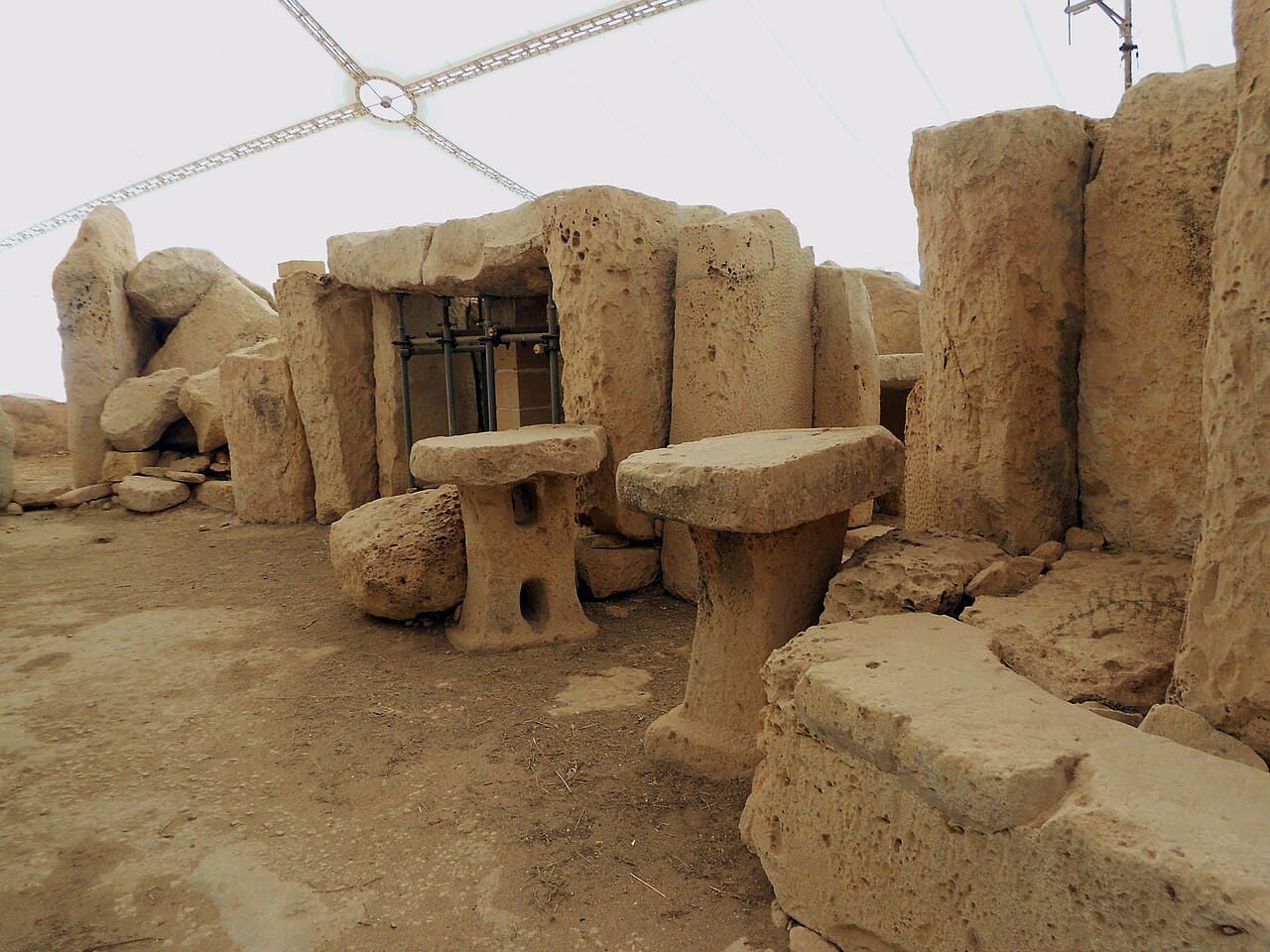
Ħaġar Qim
Temples older than Stonehenge, on an island with no rivers or forests. Two local limestones, zero metal, solar alignments at the solstice. Then the culture vanishes within two generations.
- Location
- Malta · Europe
- Civilisation
- Maltese temple culture
- Period
- −3600 → −3200
- Technique
- Limestone orthostats, up to 57 t
- Studies
the state of research converges — open to revision. A revisable snapshot of the state of research, never a judgement.
→ Show on the mapThe elements of the site
Where the site is
35.830° N, 14.440° E · satellite view
What science says
Dating -3600 → -3200: among the oldest freestanding stone buildings in the world.
Two local limestones with complementary uses: soft globigerina (interiors, carved elements) and hard coralline (outer walls). Flint, obsidian, and antler tools were sufficient to work the globigerina — no metal required.
Two documented and intentional solar alignments: the oracle hole (elliptical opening) projects a disc of light at the summer solstice (June 21, northeast); the main entrance is oriented toward the winter solstice sunrise (southeast), with light falling on the altar. Confirmed by archaeoastronomical surveys (Ventura & Hoskin 2015), with effects less precise than at nearby Mnajdra.
The globigerina limestone / coralline limestone duality reflects a fine-grained knowledge of local geology: the builders chose each type according to its function (hardness, ease of carving, exposure to weather), without any metal tool.
What remains unexplained
Related to
Studies & sources
Show 15 more sourcesCollapse sources
Keep exploring
 Debated
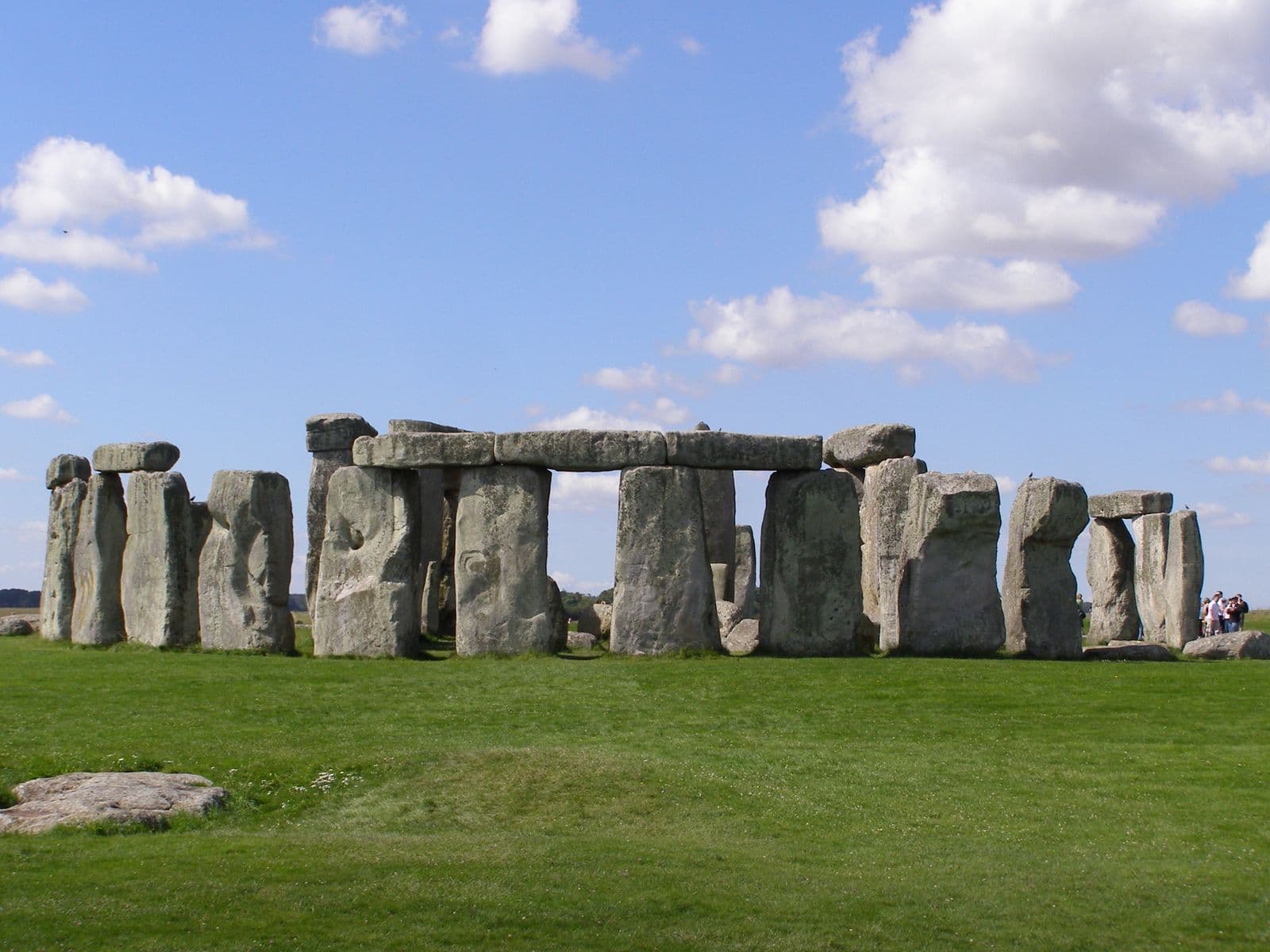
Stonehenge
The bluestones traveled 250 km from Wales. And the altar stone, from Scotland. Why those particular stones?
 Debated
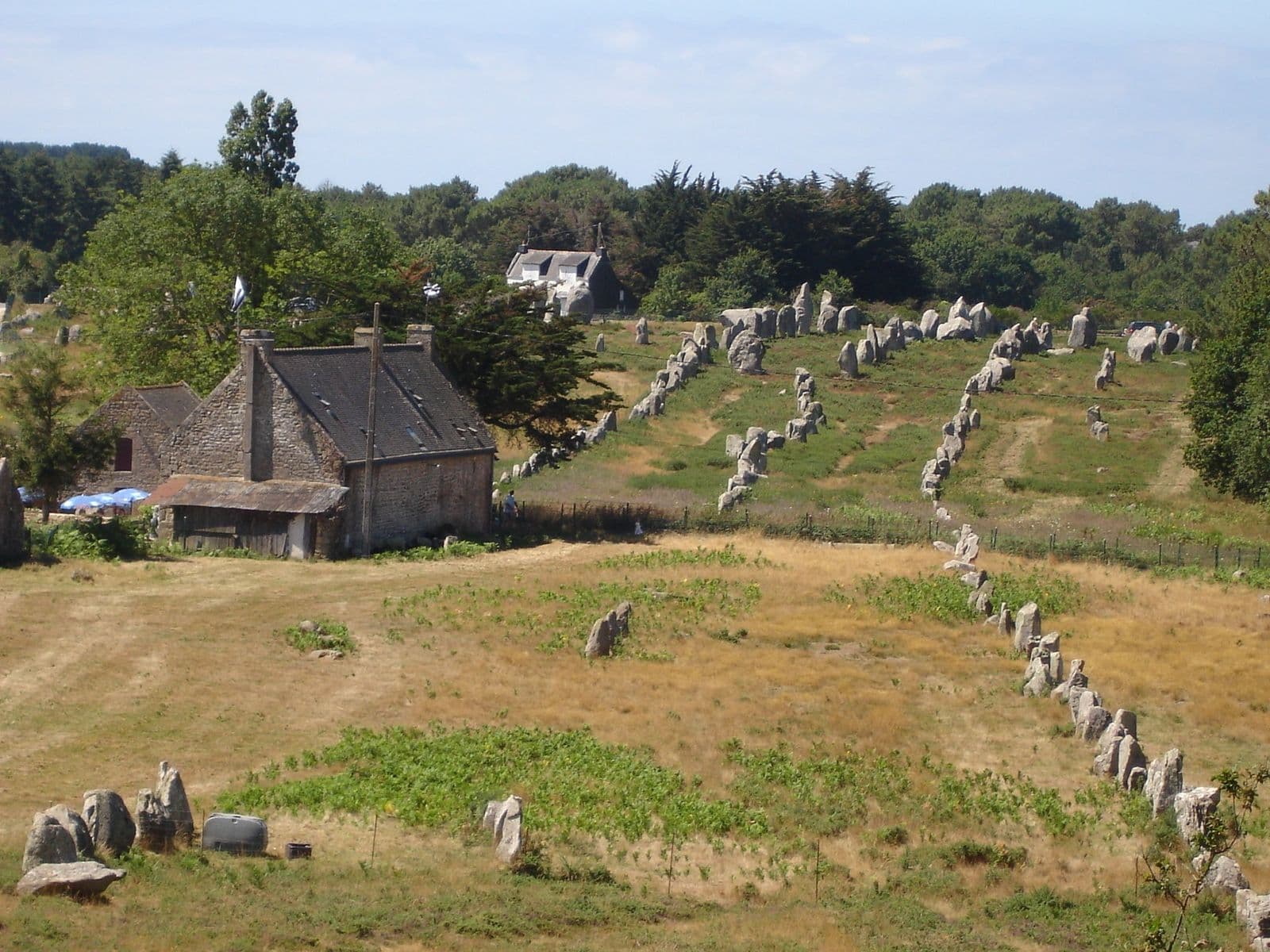
Carnac Stones
More than 3,000 standing stones in rows over ten kilometers. The largest megalithic complex in the world, dated between 4600 and 4300 BC — with no text to explain it.
 Debated
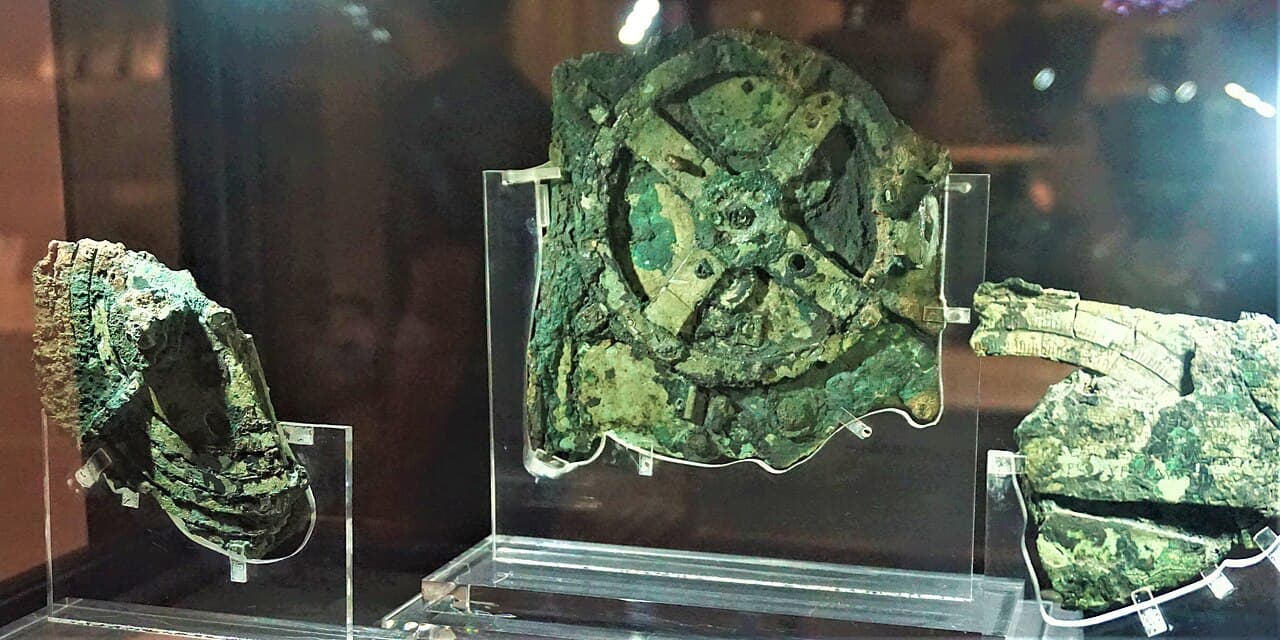
Antikythera mechanism
A geared astronomical calculator recovered from a Greek shipwreck. It encoded eclipses, the planets and the Games — fourteen centuries before Europe's clocks.