
Level-square of the Egyptian builders
A simple "A"-shaped frame weighted with a plumb line: the tool that made it possible to level the base of the Great Pyramid to within a few centimeters over more than 230 meters.
- Location
- Egypt · Near East
- Civilisation
- Ancient Egypt
- Period
- Old Kingdom (~−2600) and later periods; reused in the Roman era
- Technique
- "A"-frame (two equal legs at a right angle plus a crossbar) with a centered plumb line; builder's square; knotted cords
- Studies
- history of surveying
the state of research converges — open to revision. A revisable snapshot of the state of research, never a judgement.
The elements of the site
What science says
The "square level": two equal legs joined at a right angle with a crossbar; the plumb line suspended from the apex must align with a central mark when the tool rests on a horizontal surface. A standard leveling tool in Egypt, then in Rome and the Middle Ages.
Verticals and horizontals were established in sequence: a vertical was set first (plumb line), then horizontals with the square. For right angles, the knotted cord and the 3-4-5 triangle (without a formalized Pythagorean theorem).
The "rope stretchers" (surveyors) also used cubit rules, knotted cords, squares, plumb lines and the groma. Result: the base of the Great Pyramid (~230 m) shows a maximum discrepancy of only ~6 to 30 cm between its sides.
What remains unexplained
Related to
Studies & sources
Keep exploring
 Debated
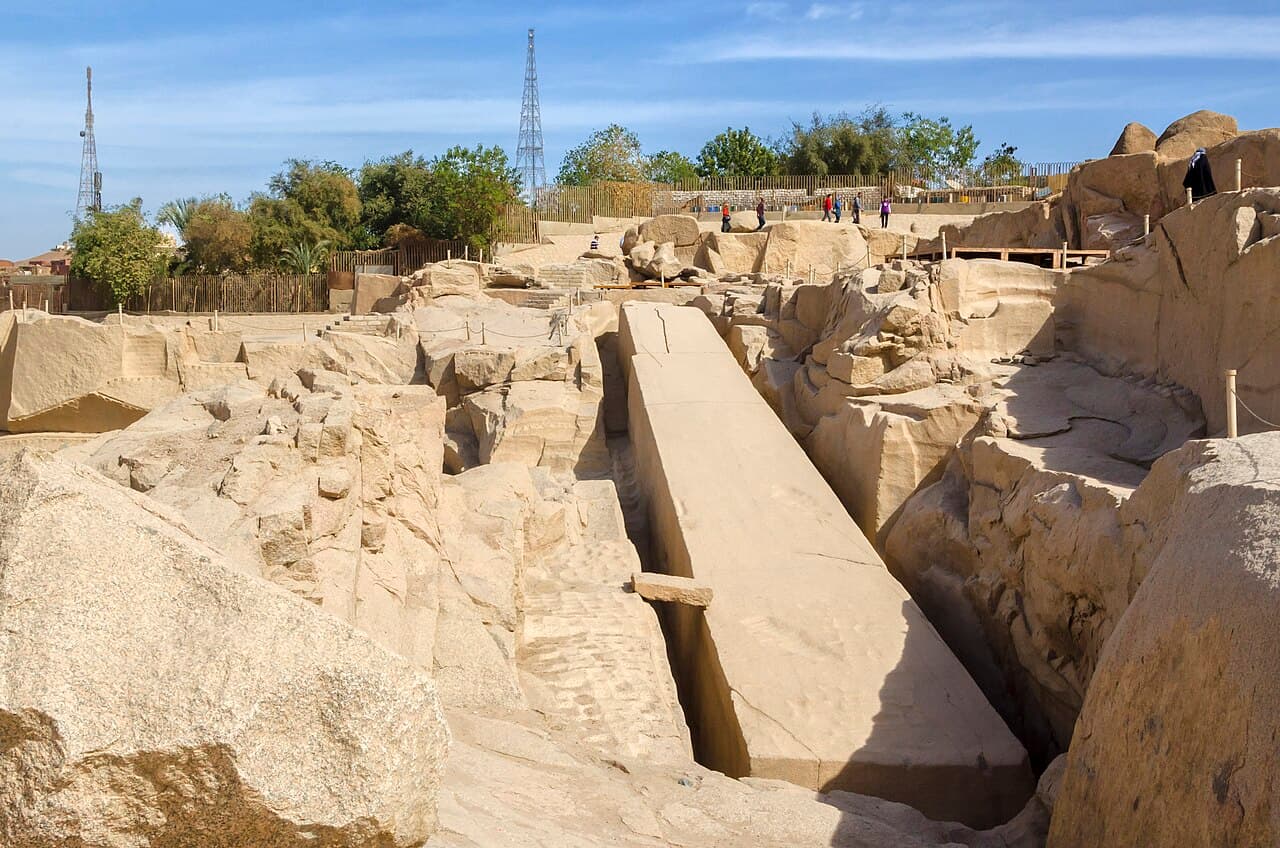
Unfinished obelisk of Aswan
The unfinished obelisk of Aswan would have been the largest ever cut (~42 m, ~1,100 t): abandoned mid-extraction because of cracks in the rock. Experimental archaeology has shown that dolerite pounders and quartz abrasives are enough to explain the cutting and polishing of the granite — without resorting to impossible tools. What remains an open question is not the 'how to cut' but the 'how to move': the details of the logistics of extracting, loading and erecting a monolith of this mass remain the real-scale mystery.
 No accepted answer
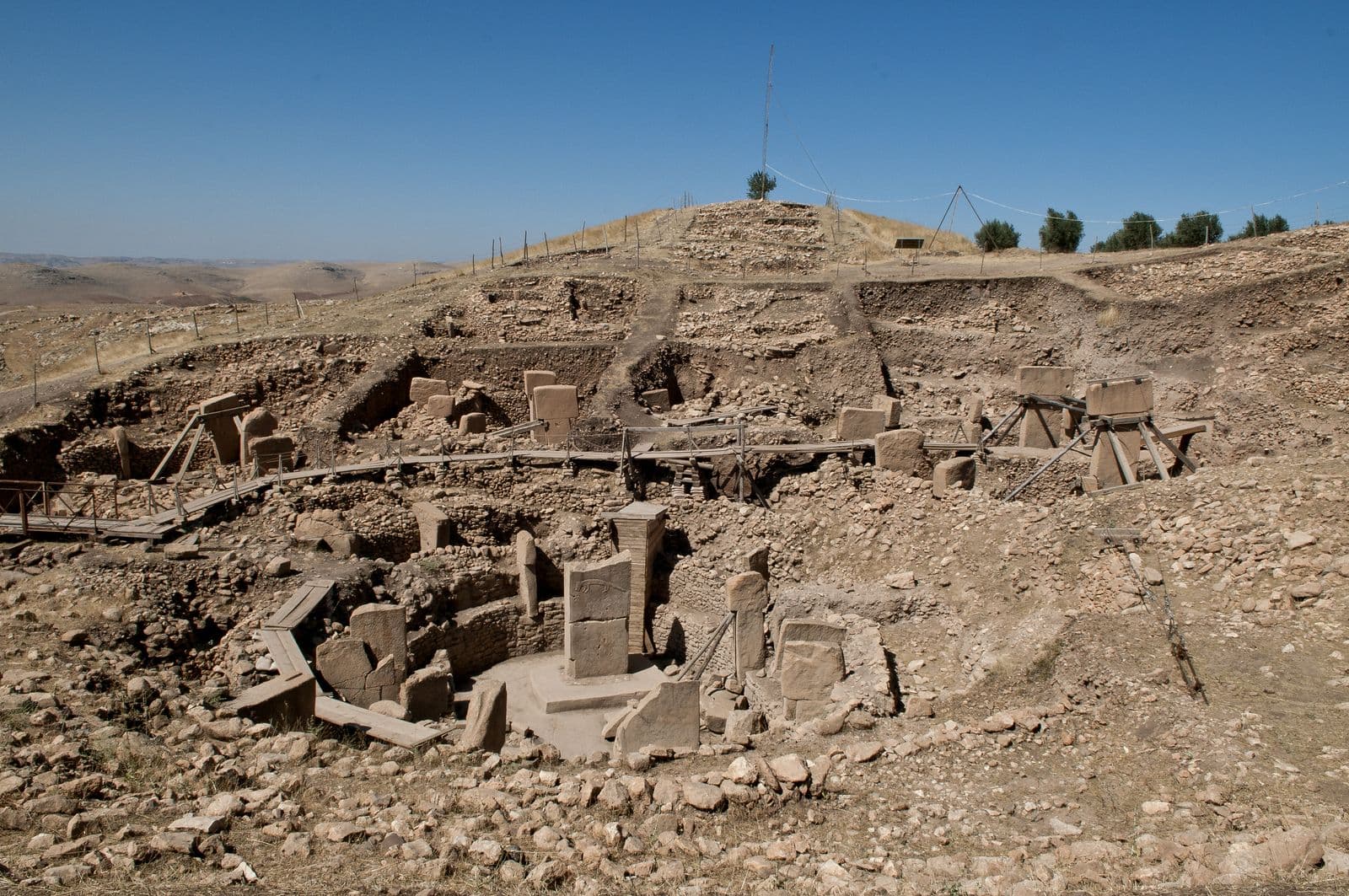
Göbekli Tepe
A monumental complex built by hunter-gatherers, 6,000 years before the pyramids. Then buried — deliberately or by time, the debate is open.
 No accepted answer
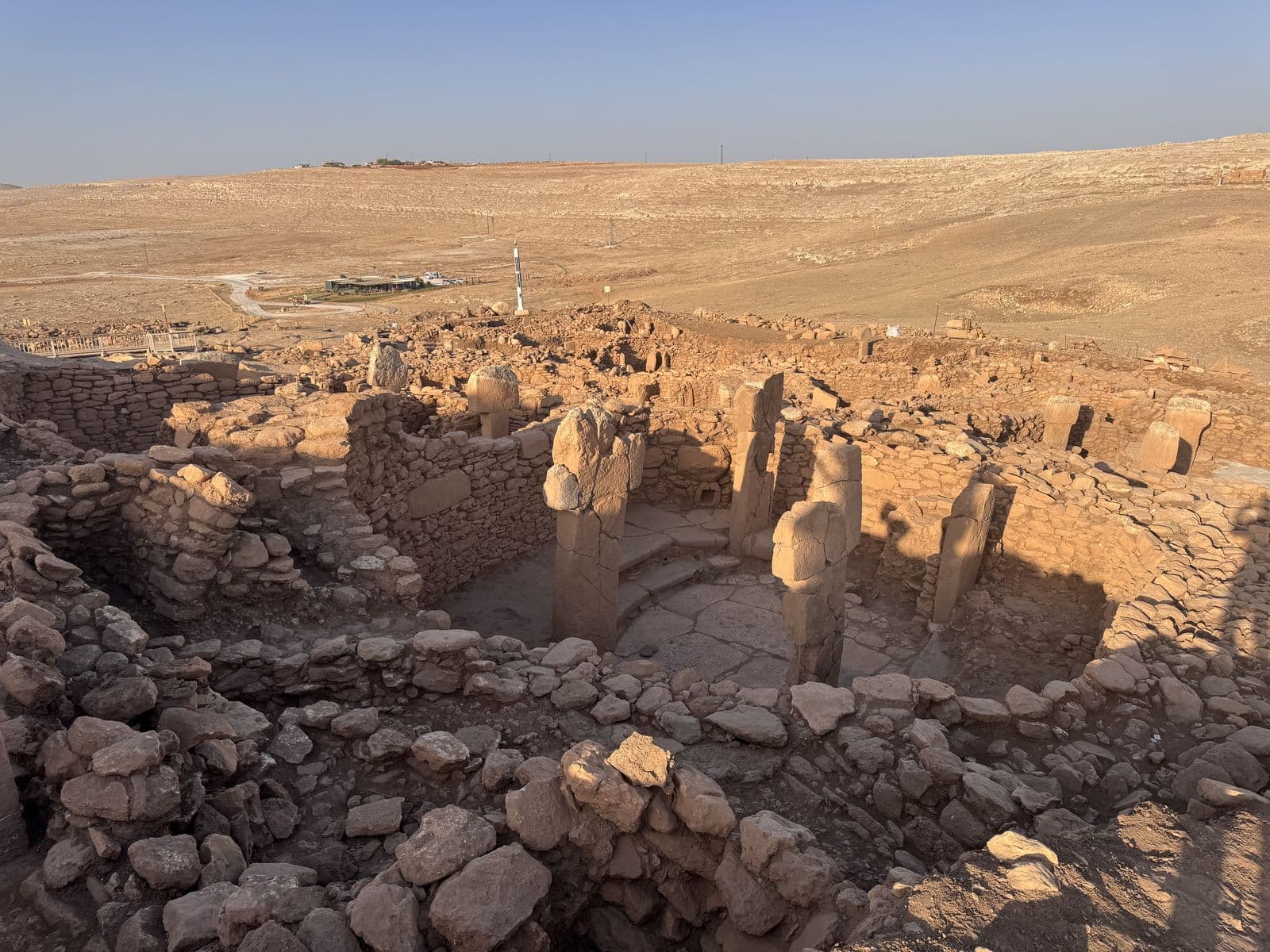
Karahan Tepe
The "brother" of Göbekli Tepe, perhaps even older. Only seriously excavated since 2019.