
Naupa Iglesia (Ñaupa Huaca)
A cave in the Sacred Valley of the Incas. Inside, a large trapezoidal niche in black andesite and a row of double niches with precise frames. No excavation has been published. The finish of the carving has made the site famous on YouTube — and nearly invisible in the academic literature.
- Location
- Peru · Americas
- Civilisation
- Inca (Late Horizon)
- Period
- ~1400–1532 AD (Killke traces ~1000–1400)
- Technique
- Dry-carved black andesite, trapezoidal niches, set into a natural cave
- Studies
- 1 official chapter (Arredondo Dueñas 2019); no peer-reviewed article indexed
no explanation commands consensus to date. A revisable snapshot of the state of research, never a judgement.
→ Show on the mapWhere the site is
13.288° S, 72.230° W · satellite view
What science says
Inca attribution documented by ceramics: sherds of Imperial Inca and Killke style (the period preceding the Late Horizon, ~1000–1400) were identified during the archaeological intervention of Arredondo Dueñas (2019, official chapter, Ministerio de Cultura del Perú). The trapezoidal niche, the double-jamb window and the repeated niches are canonically Inca architectural forms, systematically documented at dozens of sites — including Ollantaytambo, ~10 km away.
- Debated among researchersreal support, not settled
Andesite carving by percussion and abrasion with quartzite and bronze tools is academically documented for neighboring sites in the Sacred Valley (Protzen, Inca Architecture and Construction at Ollantaytambo, Oxford University Press, 1993; Protzen & Nair, JSAH 56/2, 1997). The site's black andesite rock is consistent with the sources used by Inca builders in the region. No petrographic or use-wear study has been published for Naupa Iglesia specifically.
Solar alignment at the December solstice: the rising sun illuminates the interior of the cave. Such an alignment is consistent with documented Inca ritual practices at many sites (Inti Raymi, mountain sanctuaries). This point is noted by visitors and tour guides — no formal astronomical measurement has been found published for this site.
Probable function: huaca and adoratorio — a place of worship for the mallquis (ancestral mummies), possibly a node in the ceque network radiating from Cuzco. The alternative name "Choquequilla" (from Quechua chuqui killa, "golden moon") suggests a lunar association. These functions are consistent with the architectural type but have not been confirmed by published stratigraphic excavation.
What remains unexplained
Related to
Studies & sources
Keep exploring
 No accepted answer
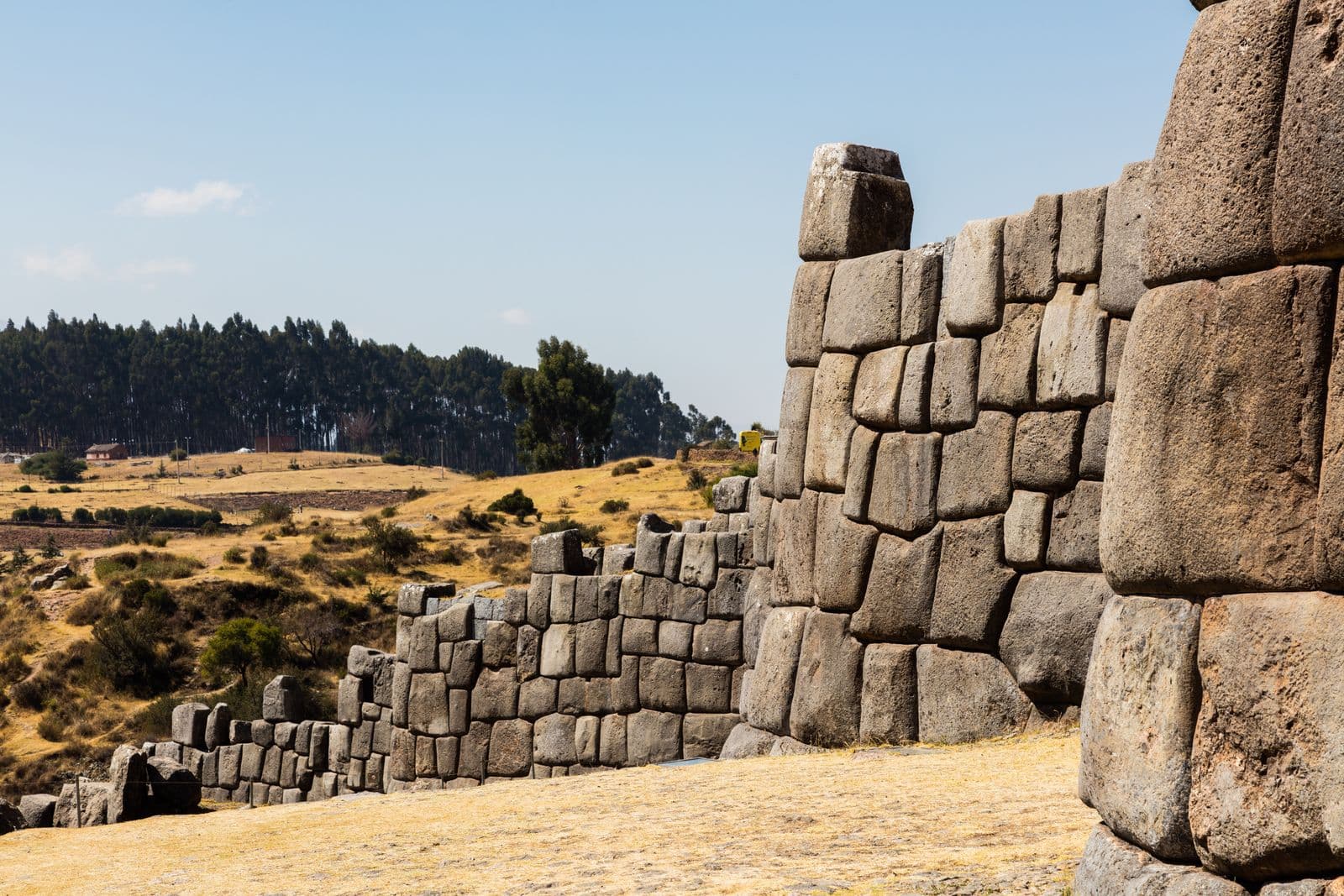
Sacsayhuamán
Blocks of 100+ tons, joints fitted to the millimeter, without mortar or iron. How?
 No accepted answer
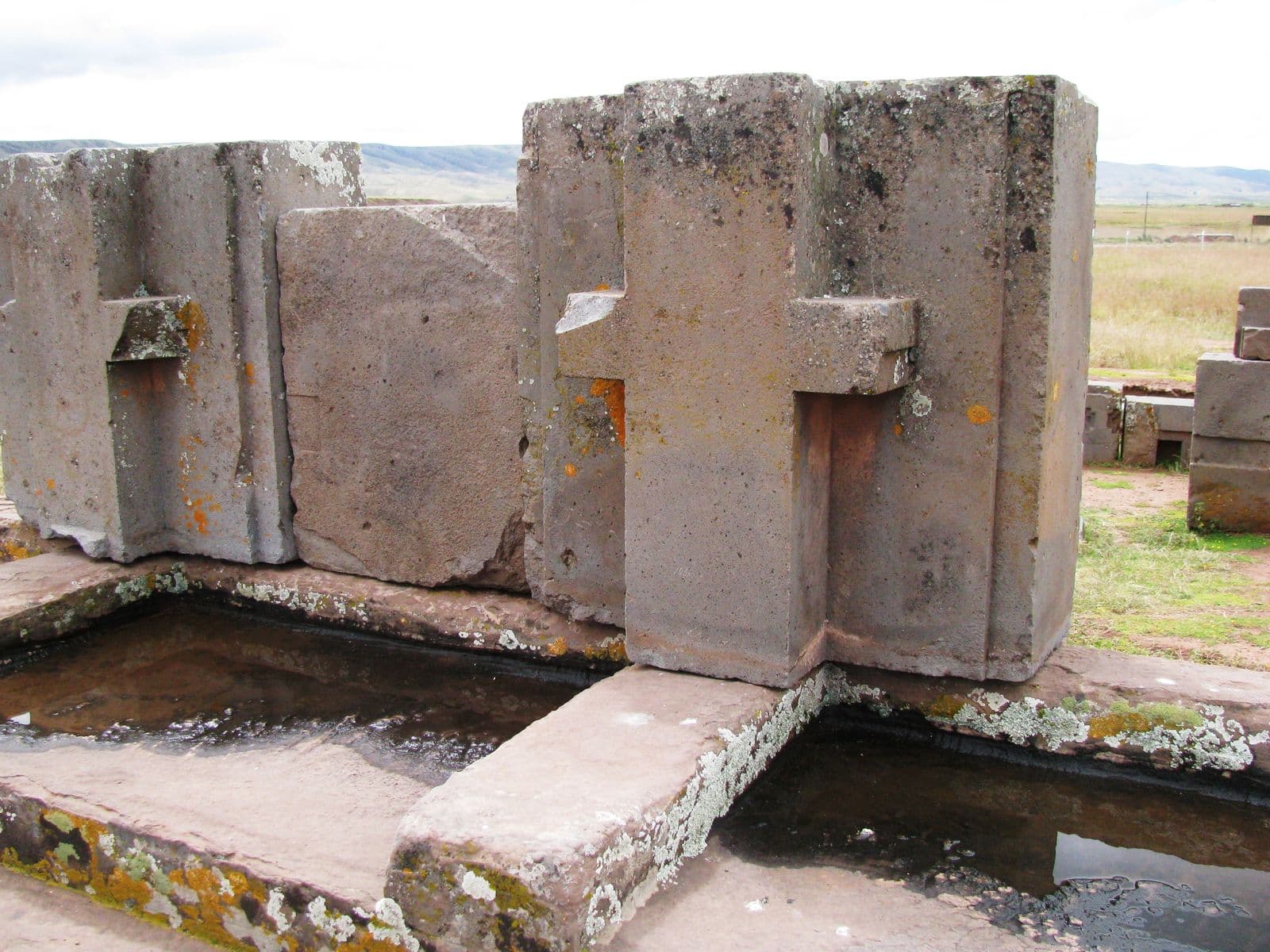
Pumapunku
Andesite H-blocks cut and standardized with remarkable precision — without iron tools, using hard-stone pounders and abrasives. The method is documented, the scale remains astonishing.
 Refuted
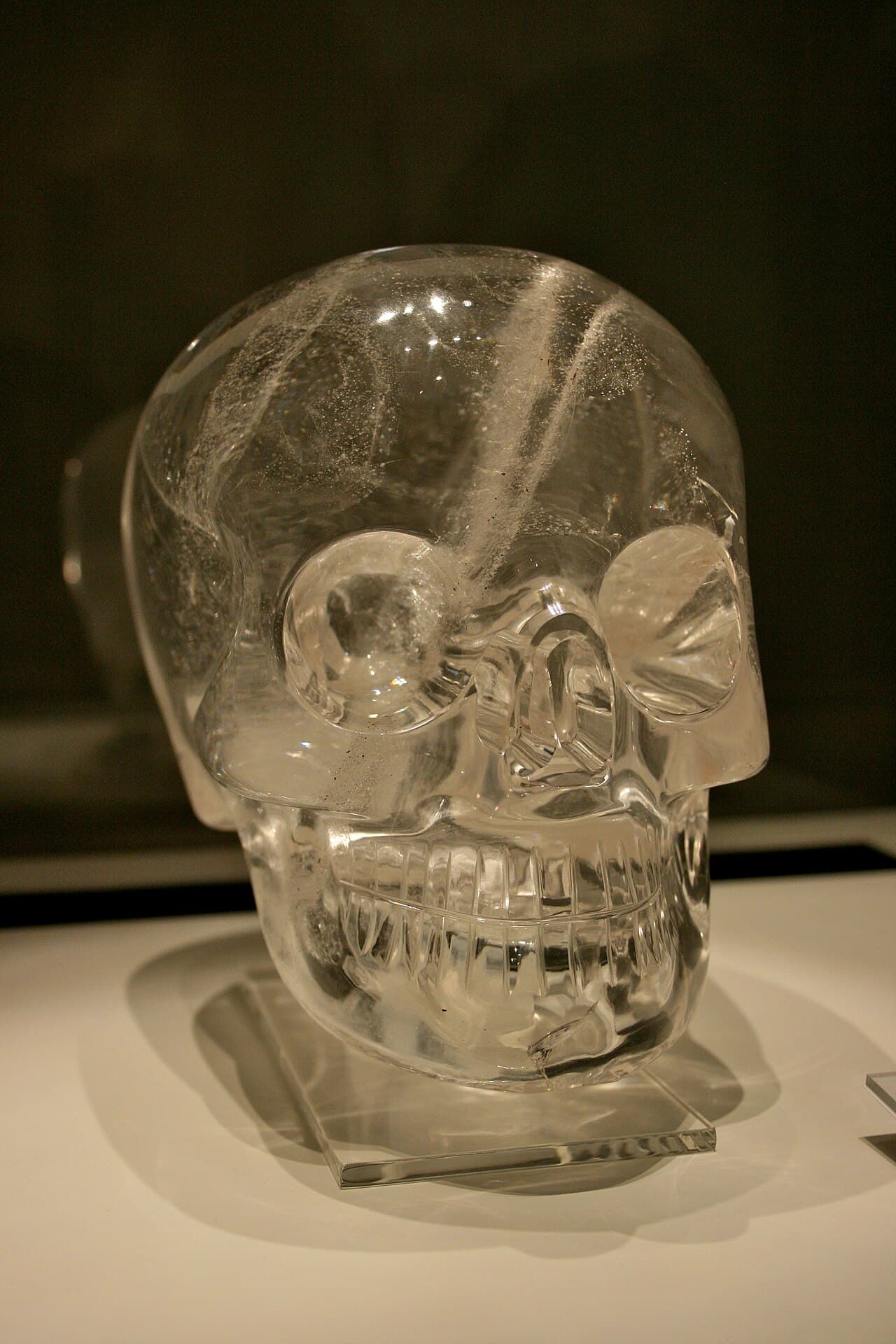
Crystal skulls
The world's most famous "pre-Columbian relics" came out of 19th–20th century workshops.