
Ħal Saflieni Hypogeum
10 meters beneath Paola, 3 levels of galleries hand-carved into the limestone. Seven thousand dead, red-ochre paintings — and a chamber where a baritone voice makes the whole hypogeum resonate at 70–114 Hz.
- Location
- Malta · Europe
- Civilisation
- Maltese Neolithic (Żebbuġ → Tarxien)
- Period
- ~−4000 → ~−2500 BC
- Technique
- Hand-carved into coralline limestone, 3 levels, trilithons imitating surface architecture
- Studies
real support, not settled. A revisable snapshot of the state of research, never a judgement.
→ Show on the mapThe elements of the site
Where the site is
35.872° N, 14.503° E · satellite view
What science says
AMS dating and Bayesian modeling (ERC FRAGSUS project 2013-2018, Malone et al. 2020): three Maltese cultural phases — Żebbuġ (~4100-3800 BC), Ġgantija (~3600-3000 BC), Tarxien (~3000-2500 BC). Upper level 3600-3300, middle level 3300-3000, lower level 3000-2400 BC. Method: radiocarbon on human bone and organic remains, correlated with the stratigraphy of the surface temples.
Architecture: ~500 m² over 3 levels, maximum depth ~10.6 m, carved without metal tools into coralline limestone. Trilithons, arched niches, corbelled ceilings imitate the surface temples. At least 7,000 individuals buried (historical low estimate, 1902-1911 excavations). Red-ochre spiral paintings in the Main Chamber. Source: Pace A. (2000), National Museum of Archaeology Malta.
Acoustics measured and published in Antiquity (Till 2017, DOI 10.15184/aqy.2016.258): remarkable resonance properties in the so-called 'Oracle' chamber (middle level), confirmed with Audacity, Odeon, and Sonic Visualizer. The article concludes that these properties must have had 'a particular significance and ritual power' without establishing deliberate engineering. Debertolis & Eneix measurements (2014): double resonance at 70 Hz and 114 Hz — the 110 Hz frequency often cited is a press approximation.
UNESCO status no. 130, inscribed 1980, criterion (iii). Complete closure 1990-2000 for degradation (humidity, algae growth, visitor CO₂); reopened with a maximum of 80 visitors/day and active climate control. Source: UNESCO WHC state of conservation report 1990-2000.
What remains unexplained
Related to
Studies & sources
Keep exploring
 Debated
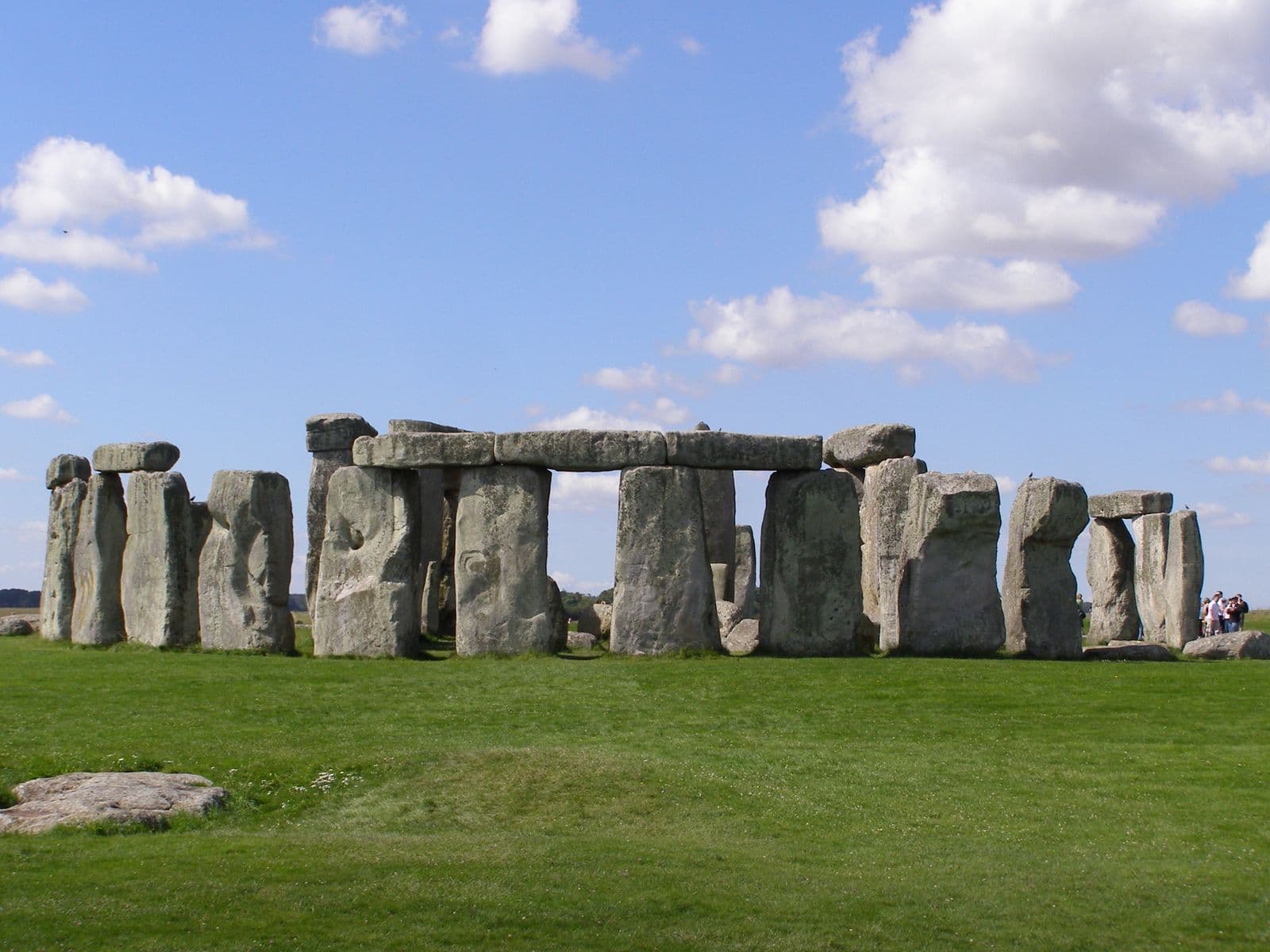
Stonehenge
The bluestones traveled 250 km from Wales. And the altar stone, from Scotland. Why those particular stones?
 Debated
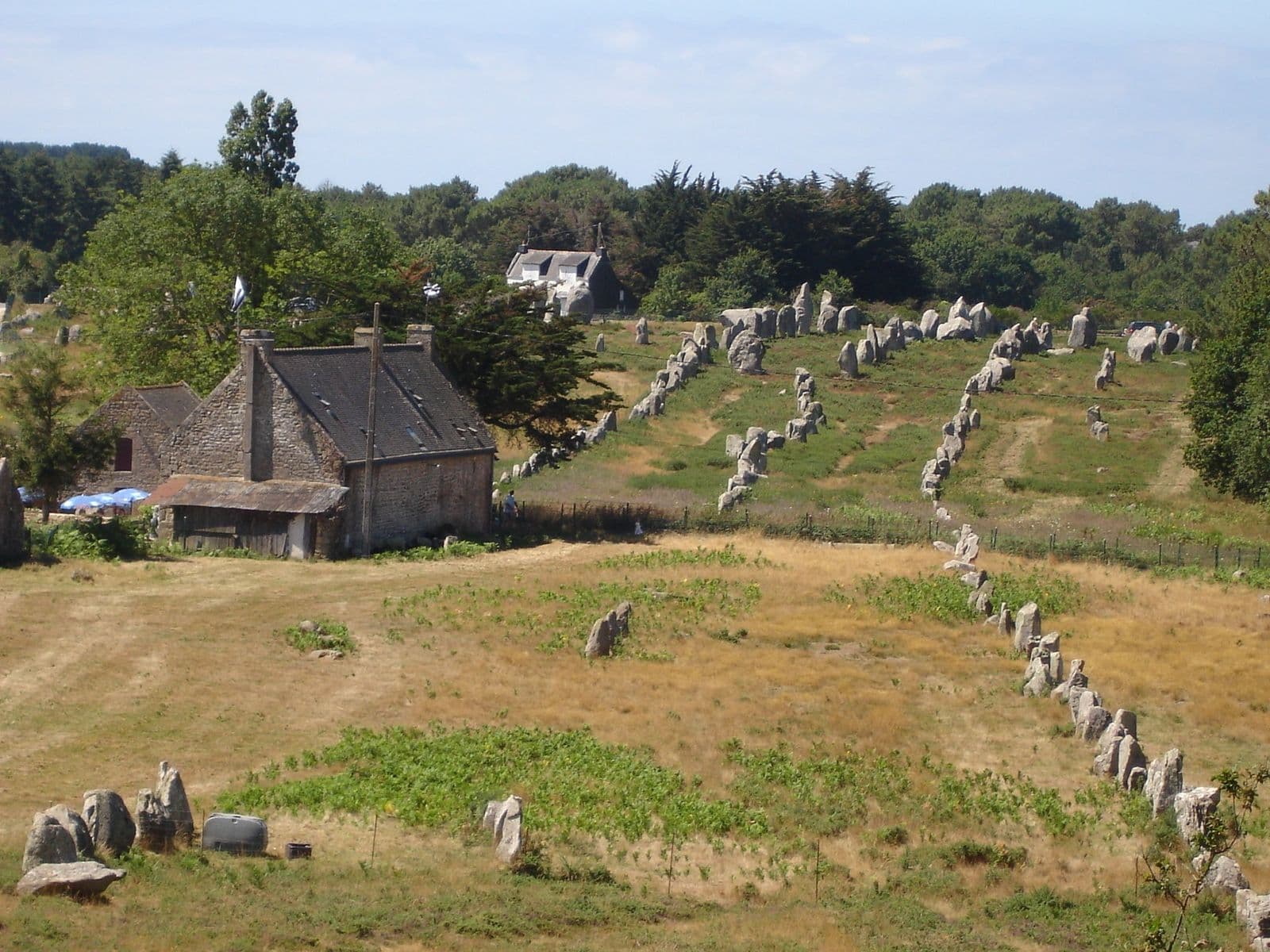
Carnac Stones
More than 3,000 standing stones in rows over ten kilometers. The largest megalithic complex in the world, dated between 4600 and 4300 BC — with no text to explain it.
 Consensus
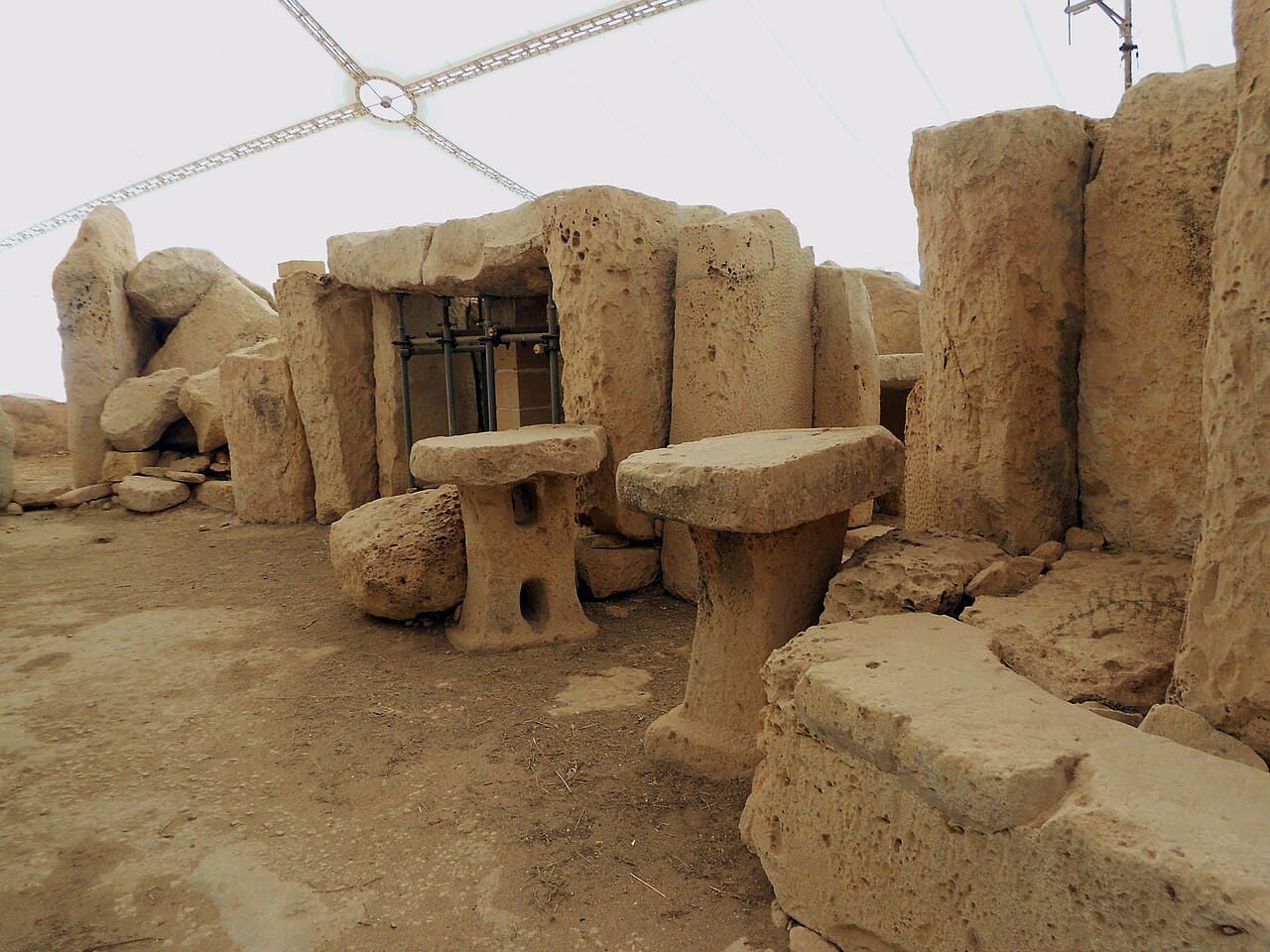
Ħaġar Qim
Temples older than Stonehenge, on an island with no rivers or forests. Two local limestones, zero metal, solar alignments at the solstice. Then the culture vanishes within two generations.