
Unfinished stele of Yangshan
In 1405, Emperor Yongle commissioned the largest stele in the world to honor his father. 73 meters if erected, ~31,000 tons in total. Cut in 3 pieces from the mountain 15 km from the Ming mausoleum — and never moved. It is still there.
- Location
- China · Asia & Pacific
- Civilisation
- Ming Dynasty (Yongle)
- Period
- ca. 1405 → 1413
- Technique
- Cut with iron wedges and wetted wood in the gneiss/granite of Yangshan; 3 pieces abandoned in the quarry
- Studies
the state of research converges — open to revision. A revisable snapshot of the state of research, never a judgement.
→ Show on the mapThe elements of the site
Where the site is
32.068° N, 119.000° E · satellite view
What science says
The three pieces of the Yangshan stele: base (~30.35 m x 16 m x 13 m, estimated mass ~16,250 t), shaft (~49.4 m tall, 10.7 m x 4.4 m, ~8,799 t), head (~10.7 m tall, 20.3 m x 8.4 m, ~6,118 t). Total assembled: about 73 m in height and ~31,000 tonnes. The largest monolith ever carved by humans if the volumetric estimates are correct. Note: the mass figures vary by source — no official open-access publication has been able to settle the matter definitively.
Commissioned by Zhu Di (Yongle, r. 1402-1424), 3rd son of the Ming founder, for the mausoleum of his father Zhu Yuanzhang (Ming Xiaoling, Nanjing). Around 1413, a substitute stele 8.78 m tall (Shengong Shengde, "Divine Merits and Sacred Virtues") was installed on the tomb — indirect evidence that the Yangshan project had been abandoned by that date.
Documented carving technique: rows of holes drilled with an iron chisel, then wedges driven in simultaneously (straight-line cleaving); dry wooden wedges soaked with water (progressive expansion); thermal shock (fire + cold water) for difficult cleavage planes. Listed on the Jiangsu provincial register of historical monuments as early as 1956.
What remains unexplained
Related to
Studies & sources
Keep exploring
 Debated
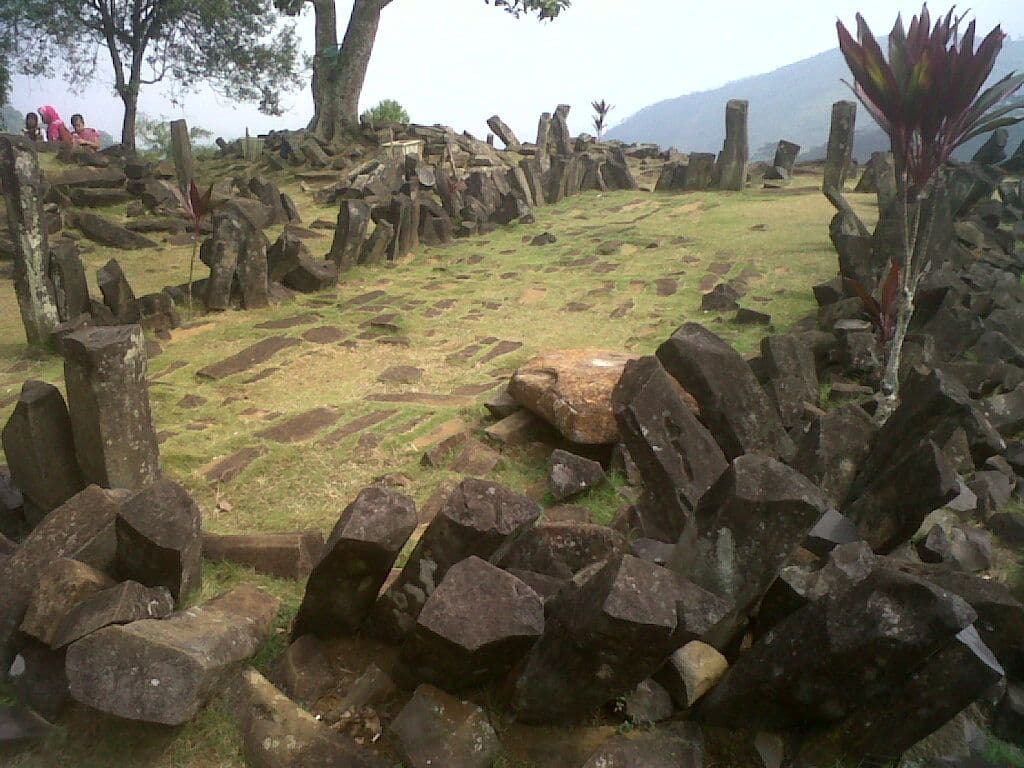
Gunung Padang
A "pyramid" beneath the hill? Layers dated as far back as −27,000 years… then the study was retracted in March 2024.
 Debated
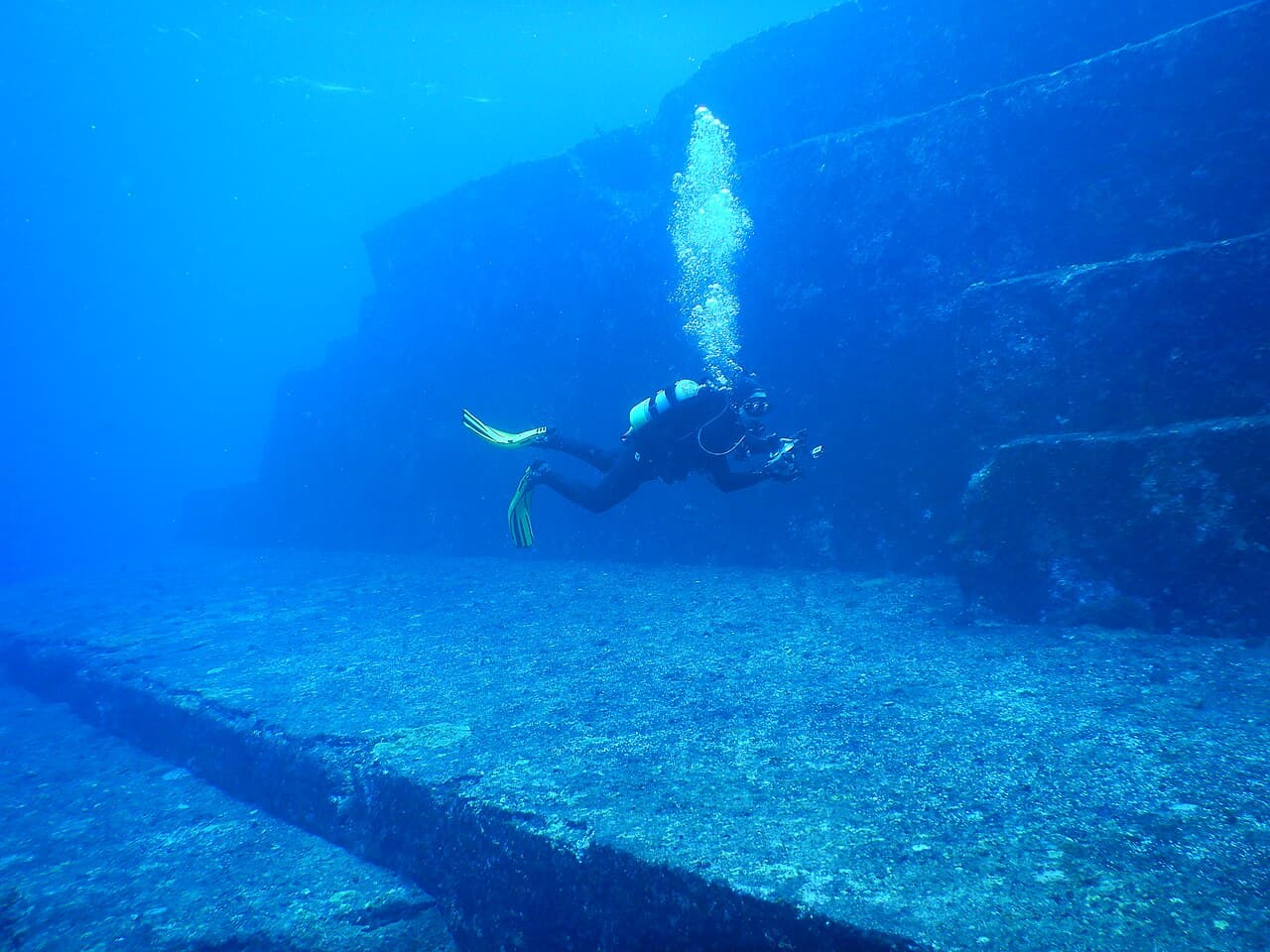
Yonaguni Monument
Terraces, right angles, "staircases" 25 meters deep. The geological consensus sees naturally fractured sandstone — an academic minority argues for a sunken city.
 Debated
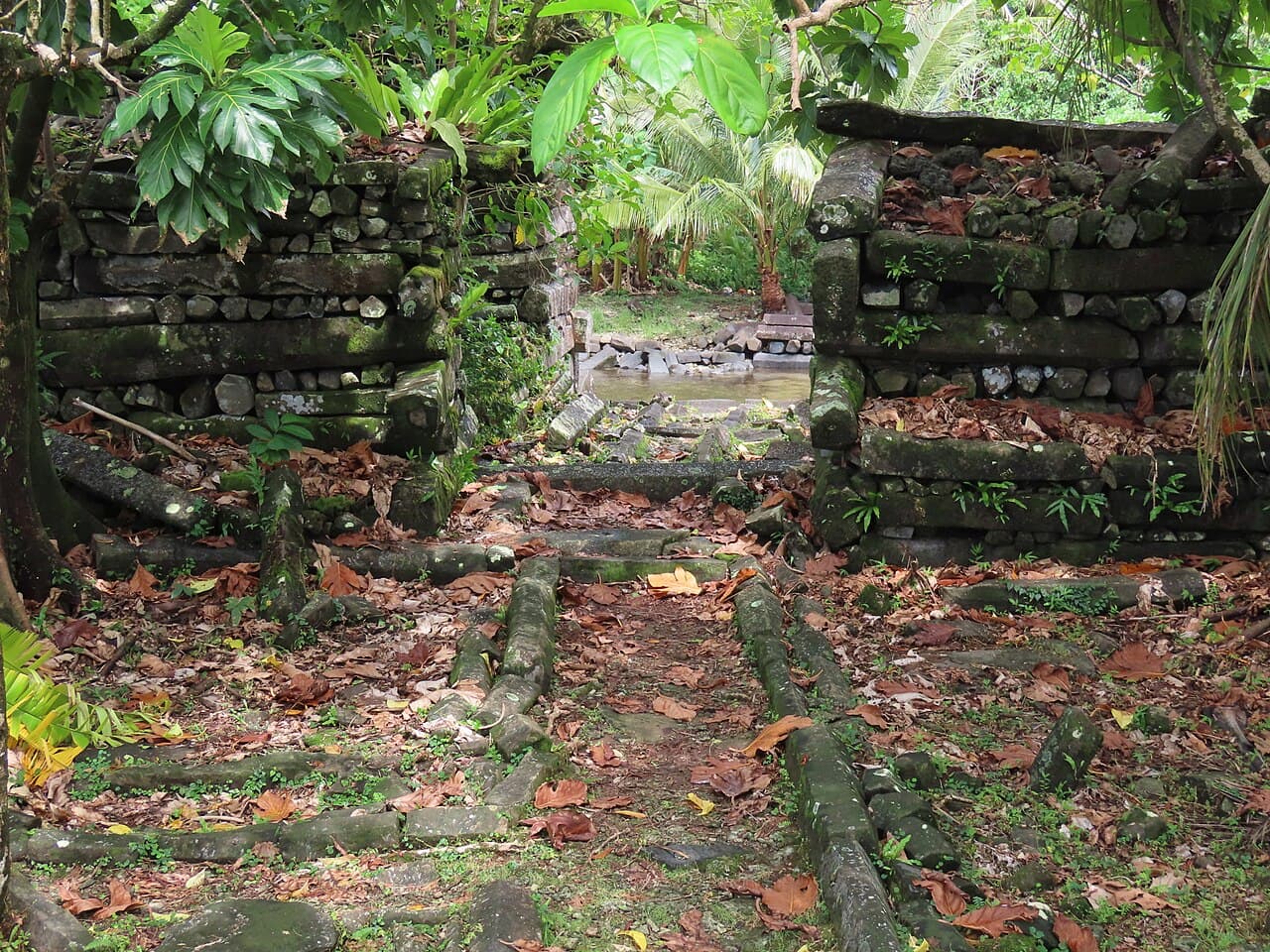
Nan Madol
A basalt Venice set on a Pacific lagoon: 92 to 93 artificial islets, columns weighing 5 to 50 tonnes.