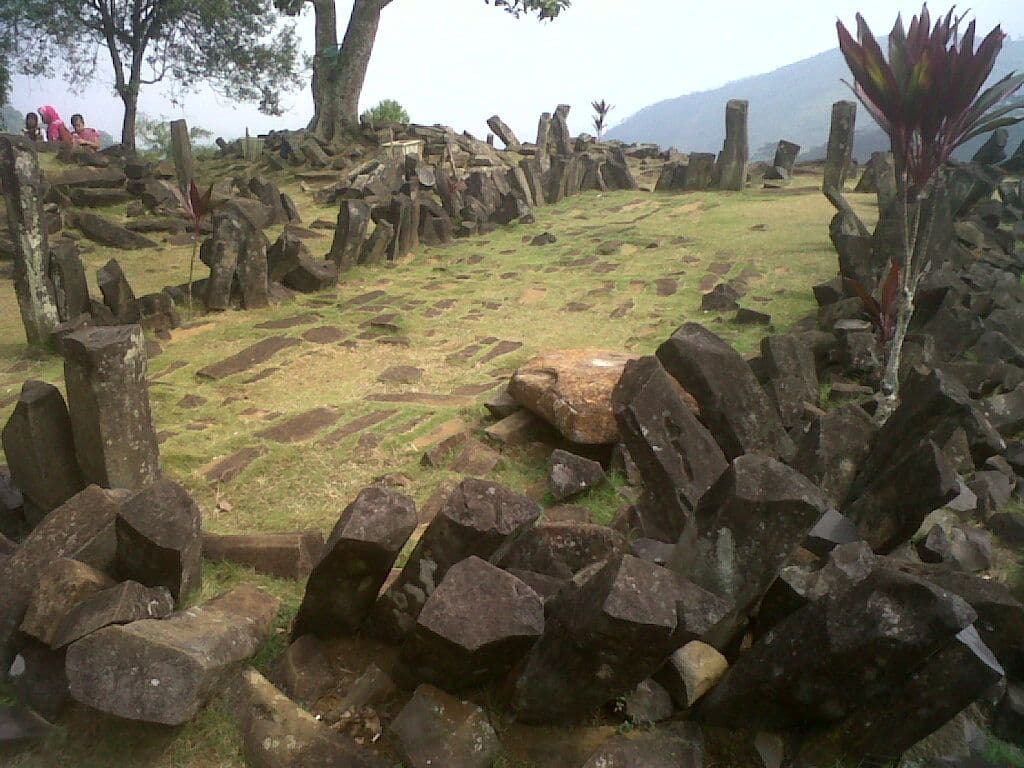
Gunung Padang
A "pyramid" beneath the hill? Layers dated as far back as −27,000 years… then the study was retracted in March 2024.
- Location
- Indonesia · Asia & Pacific
- Civilisation
- Unknown (debated)
- Period
- terraces ~−1000; below?
- Technique
- Terraces of basalt columns
- Studies
real support, not settled. A revisable snapshot of the state of research, never a judgement.
→ Show on the mapThe elements of the site
Where the site is
6.990° S, 107.060° E · satellite view
What science says
The surface megalithic terraces date from about the 2nd century BC to the 8th century AD — this is the archaeological consensus, based on C14 dating of charcoal and pottery (45 BC - 22 AD). Lutfi Yondri (Padjadjaran University) estimates the structures at ~2,000 years old, Harry Truman Simanjuntak at the 6th-8th centuries.
The 2023 study (Natawidjaja et al., Archaeological Prospection) was retracted on March 18, 2024 by Wiley (DOI: 10.1002/arp.1932): the C14 had been applied to soil samples with no identifiable artifact or anthropic trace. The '25,000-year-old pyramid' interpretation is declared incorrect by the editors.
The columns are made of porphyritic andesite with columnar joints — a natural volcanic formation from the Homblenda Pasir Pogor intrusion (~32 Ma). Reshaped and stacked on the surface by the builders, they do not constitute a buried pyramidal structure.
34 Indonesian archaeologists and geologists signed a petition in 2014 against the methodology of the Natawidjaja-Arif team. Volcanologist Sutikno Bronto (Center for Volcanology and Geological Hazard Mitigation) concludes that the hill is the neck of an ancient volcano, a natural formation.
What remains unexplained
Related to
Studies & sources
Show 7 more sourcesCollapse sources
Keep exploring
 Debated
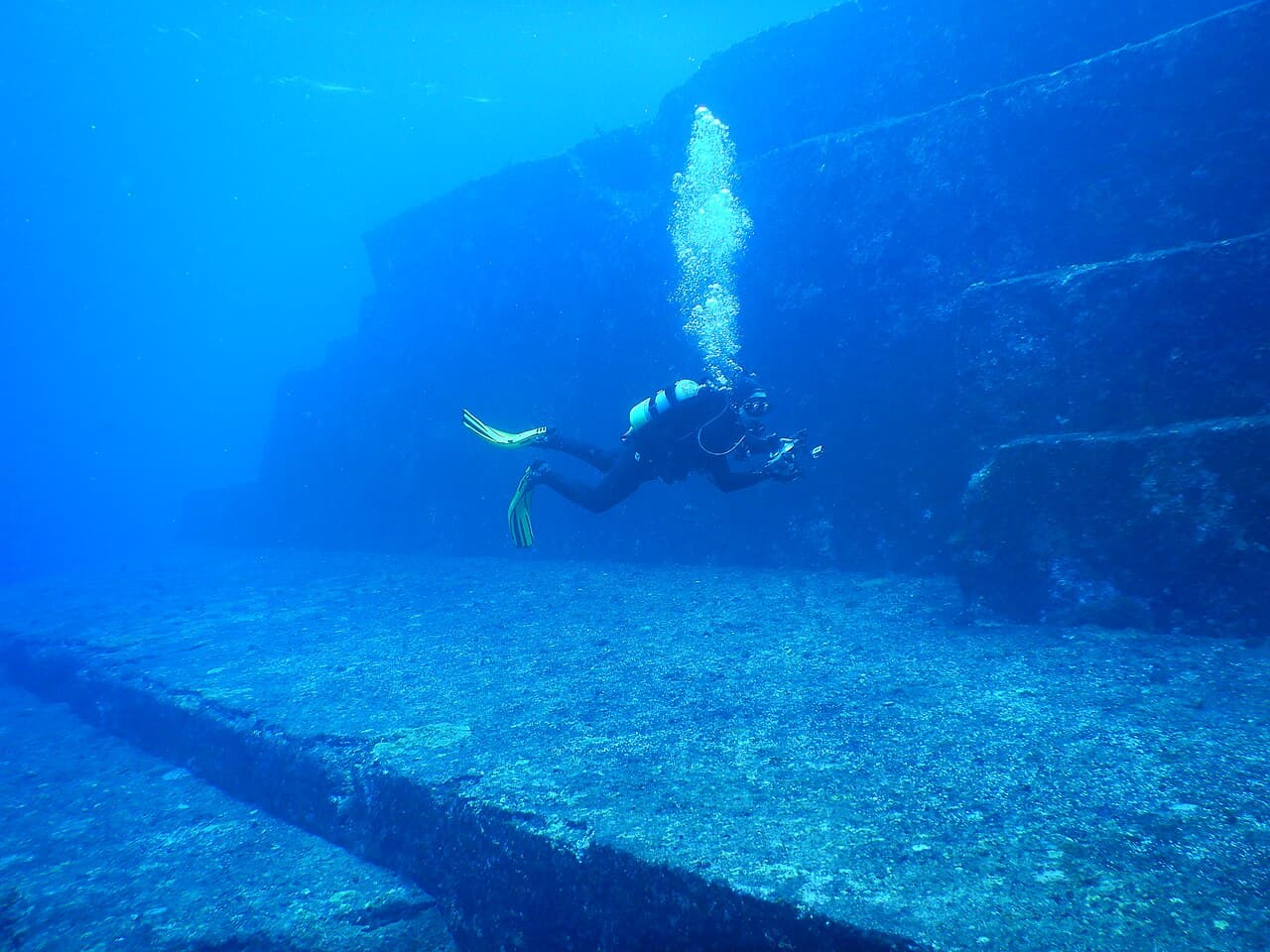
Yonaguni Monument
Terraces, right angles, "staircases" 25 meters deep. The geological consensus sees naturally fractured sandstone — an academic minority argues for a sunken city.
 Debated
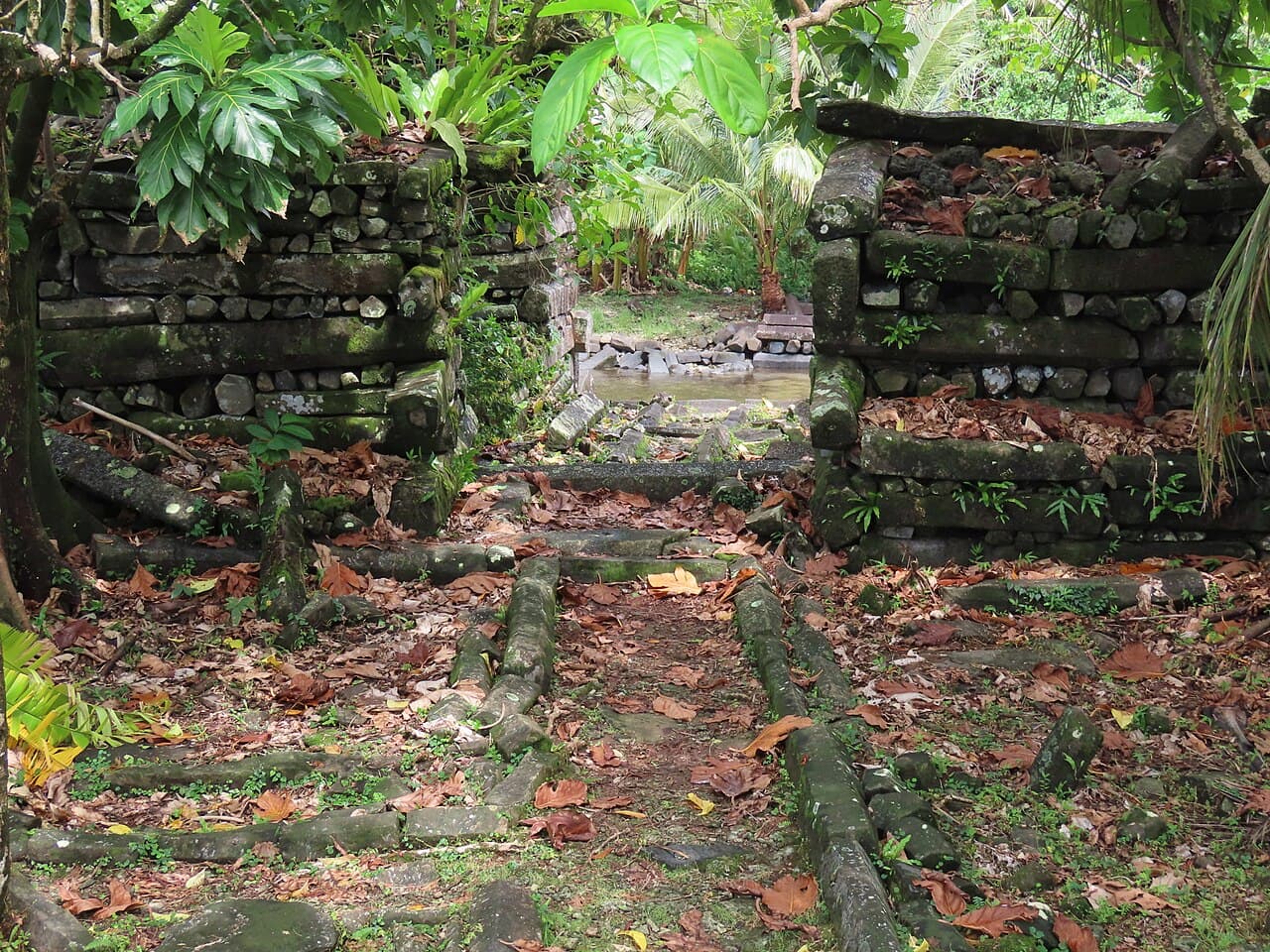
Nan Madol
A basalt Venice set on a Pacific lagoon: 92 to 93 artificial islets, columns weighing 5 to 50 tonnes.
 No accepted answer
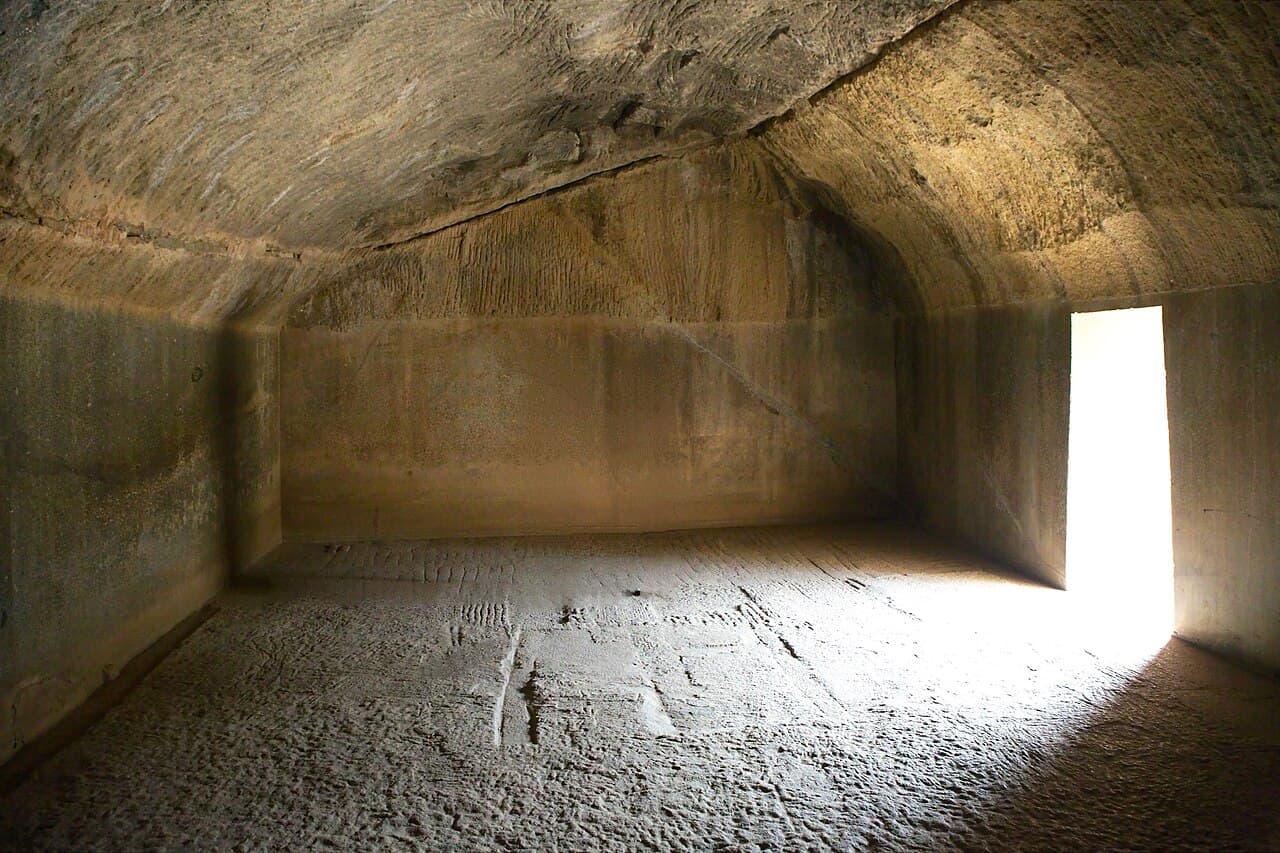
Barabar Caves
Chambers carved into granite, polished like a mirror, whose walls throw back a prolonged echo at low frequencies. What were they for?